The enumeration in the Constitution, of certain rights, shall not be construed to deny or disparage others retained by the people.
This is the Ninth Amendment to the United States Constitution and unfortunately, it doesn’t do much work. Anyone who’s philosophically pro-liberty, should be quite bothered by this.
We talk about freedom a lot in the United States as the core principle of our nation. But legally, it’s hard to say that’s who we really are. Think about these two competing ideologies.
In a non-free country, you don’t have rights unless the government gives them to you. You can’t do whatever you want, unless the government says it’s OK.
Conversely, in a free country, everything should be considered your right to do, unless the people’s government has a “compelling interest” in making it illegal. We’ll talk about compelling interest in a bit, because it’s kind of a “thing.”
The duty of government I think we most all agree on, no matter where you land on the political spectrum, is that your exercise of freedom should end when that exercise harms another. In that case, the government could, and should, restrict that.
This principle is the essence of the Ninth amendment. Just because we didn’t name other rights in the Constitution, doesn’t mean you don’t have them, and they are equally worthy of Constitutional protections.
There was intense debate when our Constitution was framed as to whether the Bill of Rights should be included, for this very reason. The fear was that naming specific rights might imply that anything not listed wasn’t protected—that the list would be treated as exhaustive. The Ninth Amendment was Madison’s direct response to that concern.
That said, did you know the Ninth is rarely cited in court nor used successfully to protect the people from government oppression as it was intended? Case Law is littered with times that the First Amendment was used to protect people’s rights, so why not the Ninth? The courts have largely abandoned it.
They put it in the Constitution for a reason—it’s not just there to increase word count. It should do some work, yet it just doesn’t.
In our country, the government can and does restrict your freedoms quite often. Unless you can show that your constitutionally-recognized rights were violated by, and you were harmed by, said law, you likely won’t have standing to go to court and challenge it.
Since I mentioned it, it’s worth noting what “standing” is.
Standing just means you essentially have a right to go to court. This matters, because if you weren’t harmed, and just don’t like a law, the court considers this a political issue you should take up with your congressperson.
The courts don’t want someone to be mad Congress passed a law, and try to get the courts to fix it, like when you’re mad at your mom when she says “no,” so you go ask your dad.
Therefore, the Court separates political issues which congress handles, from justiciable issues, which they handle. The difference is generally that if you just don’t like a law, take it up with your congressperson. But if you were harmed by a law and you can show as much, take that to court.
I know we mentioned them earlier, but I should define the term “enumerated rights.” It just means those that are actually laid out in the Constitution by name in the Bill of Rights.
The United States Constitution
This system we have, is arguably not freedom, because it operates as if you have no rights, unless the government gives them to you. That is in direct opposition to principles in the Ninth Amendment and the Constitution itself.
Government overreach wasn’t always as prevalent as it is today. Between 1897 and 1937, an era often called the “Lochner Era.”
Lochner v. New York (1905) was a case where New York passed the Bakeshop Act, which restricted bakers’ hours. Bakeshops were hot places—air conditioning was invented just three years earlier, and was not something you’d find in a typical bakery at the time. So New York was essentially trying to protect workers from hazards like heat stroke or respiratory illness.
The Court struck the Bakeshop Act down as a 14th Amendment due process violation. They argued that it violated the rights of employees and employers to voluntarily enter into a contract they both agreed to.
In the Lochner Era, the courts struck down several laws as 14th Amendment’s due process violations, but it was very Ninth Amendment adjacent, in that it suggested restricting people’s freedom, mostly economic freedom, was a violation of their rights in general, even if those rights weren’t enumerated. So what happened in 1937?
One tyrannical son-of-a-bitch named Franklin Delano Roosevelt (FDR) was president, and he was trying to reshape America with his “New Deal.” It wasn’t just big government, it was massive government. At the time, the court was largely Republican appointees who held laissez-faire capitalism quite near and dear to their hearts, and were striking down laws like Nolan Ryan in his heyday.
Roosevelt, getting sick of being thwarted left and right by the Supreme Court, pitched the Judicial Procedures Reform Bill of 1937, which would pack the Court with additional justices until he had a majority—then use that majority to dismantle the vast case law of his opponents and replace it with New-Deal-friendly precedent.
Franklin Delano Roosevelt – President of the United States Served: 1933-1945 Lived: 1882-1945
Sound familiar? Alexandria Ocasio-Cortez proposed packing the Court when Biden was president to undo the then Republican-appointee majority’s case law, also.
Republicans have their own bag of court manipulation tricks, such as sitting on nominee Merrick Garland, when many argue he rightfully should have been approved. Parties gonna party—neither is innocent.
Many believe that in order to prevent this, Justice Owen Roberts unexpectedly gave FDR a win. Roberts had previously sided with the conservative bloc striking down New Deal legislation, so his vote to uphold minimum wage laws in West Coast Hotel Company v. Parrish came as a surprise.
With the Court appearing to somewhat bend to FDR’s will now, he stopped his efforts to pack the Court. To be fair, such a bill might have failed, but the Court didn’t seem to want to find out.
With all that in mind, let’s talk about scrutiny.
When government restricts your constitutional rights, the courts have developed tests to determine whether that restriction is justified. This isn’t statutory law passed by congress. It’s case law that has formed over many cases. So you won’t find this all wrapped up neatly in one previous case. There are currently three of them.
Rational Basis
Intermediate Scrutiny
Strict Scrutiny
Understand that this framework only applies when constitutional rights are at stake. If a case is purely about what a law means or how it should be applied—with no constitutional rights implicated—these tests don’t enter the picture.
The default is Rational Basis. It’s akin to a speed bump. Pretty much everyone can drive over it, but if someone had a broken-down clunker, they might not make it.
This case was about a company that made “filled milk” which is milk with added ingredients, such as fat or oil, other than milk fat. Carolene Products used vegetable oil in their milk, and then sold off the milk fat for use in making butter, and more valuable products.
In response to this practice, Congress passed the Filled Milk Act of 1923, banning interstate shipment of such milk, arguing it was harmful to public health.
It was nonsense. Filled milk was nutritionally comparable to whole milk; the dairy industry simply didn’t want the competition. Carolene Products was selling the valuable milkfat separately for use in butter, then replacing it with cheaper vegetable oil to make the de-fatted milk palatable—and selling the result at near whole-milk prices.
Rational Basis has a test with two prongs.
Does the government have a legitimate interest in passing the law?
Is the law rationally related to achieving that interest?
That’s it. Pretty easy.
Carolene Products challenged the law, saying it violated their interstate commerce rights, which it arguably did, but the Court decided that the health interests were legitimate, and the law was rationally related to protecting them, allowing the law to stand.
With Rational Basis, the government generally doesn’t even have to name its interest in passing such a law; the courts have often just agreed that if they can conceive of a legitimate interest, that will suffice. The second part is just, “is the law rationally related”—not a large hurdle to jump.
Very few laws have failed Rational Basis, but giving a real-world example helps burn it into your brain, so I’ll give you one.
Obergefell v. Hodges, from 2015, was the landmark case legalizing same-sex marriage. What many don’t know, is two years prior, there was a similar case challenging the Defense of Marriage Act (DOMA) called United States v. Windsor.
Windsor is somewhat doctrinally contested—Justice Kennedy, who wrote the majority opinion, never explicitly named the standard of review he was applying. But the Court’s reasoning essentially functioned as Rational Basis, and it’s widely discussed in that context.
Anthony Kennedy – Associate Justice: Supreme Court of the United States Served: 1988-2018
DOMA, as you recall, was a federal statute that defined marriage as a legal union between one man and one woman.
When one partner in a married lesbian couple died, her surviving spouse (Edie Windsor) was forced to pay estate tax because DOMA didn’t recognize her as a legal spouse.
So it was ruled to be a violation of Windsor’s right to equal protection under the law, and the Court’s reasoning, while never explicitly naming a standard of review, essentially applied Rational Basis analysis.
It was a speed bump the Government couldn’t drive over. The Court saw no legitimate reason for government to deny Windsor her rights under equal protection, simply to “defend marriage.”
Edie Windsor
Generally speaking, the harm principle—the idea that your freedom ends where another’s begins — is the philosophical standard I’d argue government should meet. Rational Basis is the legal standard courts actually apply, and it’s considerably more permissive than the harm principle. But even rational basis has its limits, as Windsor shows.
That said, if your law is just discriminating against a certain group without protecting another, courts have held that’s not a legitimate government interest—and therefore such laws fail even the low bar of Rational Basis.
I understand that DOMA was “defending marriage,” but marriage is a thing, not a person. It doesn’t have rights. So DOMA was denying rights to a person who was harming no one.
Make sense?
Next up is Intermediate Scrutiny.
The test for this is as follows
The law serves an important government interest — not just legitimate like Rational Basis
The law is substantially related to achieving that interest — more than rationally connected like Rational Basis
This standard came about in 1976 in a case called Craig v. Boren—a largely unremarkable dispute where Oklahoma allowed women to buy beer at 18 but required men to wait until 21.
The Court decided that discrimination based on sex or gender deserved more than a Rational Basis rubber stamp, but wasn’t quite serious enough to demand Strict Scrutiny. So they created something in between—Intermediate Scrutiny.
So, Test #1: was there an important government interest?
Yes, it was traffic safety. The law was crafted because the Oklahoma legislature felt men got drunk and drove like idiots more than women. So they were trying to keep the roads safe.
Test #2: was the law substantially related?
On that, the Court said no. There wasn’t strong enough statistical evidence to show that men were substantially more likely to cause an accident when drunk than women. So even though the state had a good reason, the law wasn’t backed by data that established a relation to the interest.
Intermediate Scrutiny has since evolved to apply in other cases besides gender discrimination, such as content-neutral speech restrictions. Content neutral just means situations where government restrict when or where you can speak, not what you can say.
Last up is Strict Scrutiny—arguably the most talked about, because it usually involves controversial rights restrictions.
The test for that is currently:
The law serves a compelling governmental interest
The law is narrowly tailored to achieve that interest
It uses the least restrictive means available to achieve it
Strict Scrutiny applies when:
Fundamental rights are involved, like voting, privacy, free speech, etc.
Suspect classification, such as by race or national origin
Content-based speech restrictions—meaning laws targeting what you’re actually saying, like banning certain viewpoints or subjects entirely, rather than just regulating when or where you speak
Even though these three scrutiny classifications exist as a framework, they weren’t created at the same time. We mentioned Carolene Products, in 1938, and Craig v. Boren in 1976.
But Strict Scrutiny was built over time. The first seed was created via dicta in the majority opinion of Carolene Products.
Dicta is text in a court opinion that isn’t strictly binding because it goes beyond what was necessary to decide the case—but it isn’t throwaway either. Justices often use dicta deliberately to signal where the law might go in future cases.
Harlan Fiske Stone – Associate/Chief Justice: Supreme Court of the United States Associate: 1925-1941 Chief: 1941-1946 Lived: 1872-1946
Justice Harlan Fiske Stone, who wrote that majority opinion, said:
There may be narrower scope for operation of the presumption of constitutionality when legislation appears on its face to be within a specific prohibition of the Constitution, such as those of the first ten amendments, which are deemed equally specific when held to be embraced within the Fourteenth.
What he’s saying is, the Court would let this fly under Rational Basis, because there wasn’t any serious denial of enumerated constitutional rights here. But if government were to attack those rights, the Court may have to consider a test stronger than Rational Basis.
And so they did.
Shortly after, in 1944, SCOTUS decided Korematsu v. United States.
You might recall this little skirmish named World War II?
In the wake of Pearl Harbor—’a day that will live in infamy’—one tyrannical son-of-a-bitch named Franklin Delano Roosevelt (again with this fucking guy) signed Executive Order (EO) 9066 in 1942, forcing Japanese-Americans into internment camps.
If you know anything about EO’s, you know they are orders from the president to employees of the executive branch. So how could FDR direct private citizens like Japanese-Americans to go to these camps?
Well FDR, that tyrannical son-of-a-bitch, and his congressional enablers then passed Public Law 503, which provided criminal penalties for violating military orders issued under EO 9066. Astounding how little respect FDR had for the Constitution.
In this case, Fred Korematsu, a Japanese-American citizen, refused to leave his home and report to an internment camp. He was arrested and convicted of violating the military exclusion order and Public Law 503.
Fred Korematsu
He challenged his conviction, and fought his case all the way to the Supreme Court, but sadly he lost. It was a dark time in America.
In 1983, Korematsu’s conviction was thrown out, when it was shown the government suppressed evidence in the case, and in 1998 then President Clinton awarded him the Presidential Medal of Freedom.
Justice Hugo Black wrote the majority opinion in Korematsu. In that opinion, he said:
It should be noted, to begin with, that all legal restrictions which curtail the civil rights of a single racial group are immediately suspect. That is not to say that all such restrictions are unconstitutional. It is to say that courts must subject them to the most rigid scrutiny. Pressing public necessity may sometimes justify the existence of such restrictions; racial antagonism never can.
You’ll notice he said “most rigid scrutiny,” not “Strict Scrutiny.” So that term came later, but again, Strict Scrutiny was built over time, and this was another step on the Strict Scrutiny ladder.
This established that race alone can never justify a law—any racial classification demands the most searching judicial review, and mere racial antagonism can never satisfy it. You can’t just make law against a certain group of people because you don’t like them. You have to have a compelling reason that goes well beyond mere dislike or antagonism.
Unfortunately for Korematsu, this didn’t translate to a win.
Hugo Black – Associate Justice Supreme Court of the United States Served: 1937-1971 Lived: 1886-1971
The Court ruled that because of the war we were in, the government had a compelling interest to detain Japanese Americans, as they were feared to be spies or operatives.
So they upheld his conviction, because it wasn’t just about racial animus, it was about a real belief that people like Korematsu might be working for the enemy, even though we now know, that was absolute nonsense.
Another case worth mentioning, from 1942, was Skinner v. Oklahoma. The Court addressed Oklahoma’s Criminal Sterilization Act of 1935, which allowed the state to forcibly sterilize people convicted of two or more felonies involving moral turpitude—though notably not all felonies qualified, a distinction that would prove legally significant.
Representing a unanimous Court, Justice William O. Douglas wrote:
Marriage and procreation are fundamental to the very existence and survival of the race. The power to sterilize, if exercised, may have subtle, far-reaching and devastating effects. In evil or reckless hands, it can cause races or types which are inimical to the dominant group to wither and disappear. There is no redemption for the individual whom the law touches. Any experiment which the State conducts is to his irreparable injury. He is forever deprived of a basic liberty. We mention these matters not to reexamine the scope of the police power of the States. We advert to them merely in emphasis of our view that strict scrutiny of the classification which a State makes in a sterilization law is essential, lest unwittingly, or otherwise, invidious discriminations are made against groups or types of individuals in violation of the constitutional guaranty of just and equal laws.
In this case, Skinner won, where Korematsu did not. The Court found that Oklahoma’s sterilization law failed Strict Scrutiny because the state couldn’t demonstrate a compelling interest in sterilizing some felons but not others—the arbitrary distinction between which crimes qualified revealed the classification had no legitimate justification, let alone a compelling one.
William Douglas – Associate Justice Supreme Court of the United States Served: 1939-1975 Lived: 1898-1980
It’s worth pausing here to note a semi-related and ugly part of American jurisprudence. 15 years before Skinner, in a case called Buck v. Bell, the Court took a very different and ugly tone.
Carrie Buck was a young woman who had been raped by a cousin and was institutionalized to hide the shame. There was likely no psychological condition she suffered from. She was just a young girl who had been victimized, not only by a rapist, but then by her immediate family, who unfairly stigmatized her and sent her away.
At the time she was officially called, “Feeble-minded.” Today, it isn’t a recognized medical condition, but back then, it was a catch-all phrase to describe people who were intellectually challenged, or sometimes, such as in Buck’s case, people that nefarious actors just wanted to marginalize.
Buck’s “feeble mind” was a condition that authorities said had been present in her family for three generations.
A Virginia law at the time allowed for sterilization of inmates, or other institutionalized people, ostensibly to promote the “health of the patient or welfare of society.”
This time, the question of whether sterilization violates due process and equal protection was answered in a way that should make your skin crawl. In the majority opinion, famous (or infamous) justice Oliver Wendell Holmes wrote:
Oliver Wendell Holmes – Associate Justice Supreme Court of the United States Served: 1902-1932 Lived: 1841-1935
Three generations of imbeciles are enough.
Yes, he really said that in a Supreme Court opinion to justify sterilizing a young woman who’s only real crime was being victimized.
If thats not bad enough for you, consider this—Nazi Germany’s eugenics program drew direct inspiration from American eugenics laws like this, and their legal scholars cited Buck v. Bell approvingly as validation for their own racial hygiene policies.
When Americans criticized Nazi eugenics, German officials pointed right back at us and said, essentially, “you’re doing this too.”
They weren’t wrong.
Holmes’ “three generations of imbeciles” line was well known to Nazi eugenicists and cited in their literature. The United States Supreme Court had blessed compulsory sterilization, and Hitler’s government was happy to use that fact as a shield against American moral criticism.
Along with Chief Justice Roger Taney’s opinion in Dred Scott v. Sandford (1857), where he wrote:
They had for more than a century before been regarded as beings of an inferior order, and altogether unfit to associate with the white race either in social or political relations, and so far inferior that they had no rights which the white man was bound to respect, and that the negro might justly and lawfully be reduced to slavery for his benefit.
Roger Taney – Chief Justice Supreme Court of the United States Served: 1836-1864 Lived: 1777-1864
These are possibly two of the most disgusting passages ever penned by someone on our highest court. Both are reminders of why robust judicial scrutiny of laws targeting vulnerable groups matters.
Back to Skinner.
Over the next few decades the three prongs of Strict Scrutiny solidified into the framework we use today—imperfect, judge-made, and still debated, but the strongest tool available for protecting your rights against government overreach.
This brings us back to where we started—the Ninth Amendment, and what it could still become.
So how does this help you, or why should you care?
With this knowledge, if your rights are being violated, you might understand how you could attack those violations in court, using the Constitution and scrutiny as your wingman.
And if you’re motivated enough about protecting all our rights, not just the enumerated ones, YOU might be the person to get the Ninth Amendment involved in more case law—giving those unenumerated rights the legal force they were always promised.
Just because the Ninth doesn’t do much work now doesn’t mean it can’t. The text of the Ninth suggests it could do more heavy lifting than the other nine in the Bill of Rights combined.
I’m going to assume you’ve all heard of Miranda rights, correct?
It’s some version of this, depending on the state:
You have the right to remain silent.
Anything you say can and will be used against you in a court of law.
You have the right to an attorney.
If you cannot afford an attorney, one will be appointed for you before any questioning if you wish.
In the United States, the fifth amendment reads as follows:
Fifth Amendment
No person shall be held to answer for a capital, or otherwise infamous crime, unless on a presentment or indictment of a Grand Jury, except in cases arising in the land or naval forces, or in the Militia, when in actual service in time of War or public danger; nor shall any person be subject for the same offence to be twice put in jeopardy of life or limb; nor shall be compelled in any criminal case to be a witness against himself, nor be deprived of life, liberty, or property, without due process of law; nor shall private property be taken for public use, without just compensation.
Miranda addresses the part about not being compelled to be a witness against yourself. You see, back in 1963, Ernesto Miranda decided to kidnap a women, then put his dick some place it didn’t belong.
Ernesto Miranda
The police picked him up, questioned him for two hours, and eventually obtained a written confession from him. At no point however, did police tell Ernesto that he had a right to a lawyer.
So armed with the confession, Arizona prosecuted his ass—easily winning their case against him.
Miranda eventually obtained a lawyer, however, who decided that there should be a fucking rule that forces police to advise a person of their rights when they’re arrested. Without that, such confessions should be thrown out, as a lawyer may have advised their client to say or do something quite different from what they actually said and did.
Folks, remember four words if you’re ever being questioned by police: “SHUT THE FUCK UP!” That’s it. SHUT THE FUCK UP!
Ask for a lawyer, and say nothing, no matter what the situation is. Period. Always. Every fucking time. Got it?
It’s not that police are bad, but when you’re a hammer, everything looks like a nail. Police tend to feel like everyone they’re talking to is a bad actor. So on the off chance you might say something that makes them question your innocence, even when you are innocent, you could find yourself in a bad situation because you failed to SHUT THE FUCK UP.
Anyway, Miranda won at SCOTUS and his confession was thrown out, making his trial a mistrial. Since appellate victories don’t trigger the double jeopardy rule, Arizona tried Miranda again, without the confession, and still won.
So while Miranda changed US Law forever—helping innocent people not get railroaded by aggressive government tactics, that fucker was guilty as sin, and his SCOTUS victory didn’t help him one iota.
This is a law that says, if government violates your constitutional rights, you can fucking sue them for civil damages.
Miranda and code 1983 are what’s at issue here in this case.
Terence Tekoh was a low-level patient transporter at a Los Angeles hospital.
Terence Tekoh
A young lady was in the hospital, and at one point, under heavy sedation. During that time, she asserted that Tekoh channeled his inner Miranda and stuck a finger in her vagina while she was in the hospital.
The hospital called the fuzz, and Officer Carlos Vega showed up, questioned Tekoh for some time, without ever reading him his Miranda rights, and eventually Tekow wrote an apology for touching the patient inappropriately, which was deemed as a confession.
However, Tekoh was acquitted in his second trial after an initial mistrial.
I’m not sure how someone’s first hand testimony that he molested them wasn’t sufficient for a conviction, but I guess I have to trust the 12 angry men on this one.
Anyway, Tekoh, feeling like he won the lottery after his acquittal decided to double down and sue Officer Vega for violating his constitutional rights.
He argued that he didn’t vountarily talk with Vega, Vega pulled him aside, called him a bunch of racial slurs, threatened to deport his family, and a whole host of other shit, until he confessed.
I won’t bore you with the lower court shit, just know it made it to SCOTUS, and their question was, is Miranda a constitutional right, and if so, can Tekoh sue if he’s not Mirandized?
Let’s go to the arguments:
Roman Martinez
First up: Roman Martinez representing officer Vega.
He opened by arguing Miranda is simply a prophylactic rule designed to protect a person’s fifth amendment rights, and is not a right in and of itself. Just because you’re not mirandized, doesn’t necessarily mean your constitutional rights were violated.
He argues that while Miranda helps protect the fifth amendment rights of the individual, if some moron just blurts out a confession before officers mirandized them, you can’t fairly say the cops violated their constitutional rights and coerced a confession.
He argues that Vega merely took Tekoh’s statement. There was no evidence of coercion, courts and juries didn’t feel Vega did anything wrong, Tekoh just blurted out what he had done.
Justice Thomas was the first to chime in, since he has seniority and all. He asked about a previous case, Dickerson V. United States. So let’s discuss that for a minute.
Associate Justice Clarence Thomas
In that case, congress has passed 18 U.S. Code § 3501 – Admissibility of confessions. This statute came about after the Miranda case law was established, and was congress’ attempt to legislate away Miranda rights by saying voluntary confessions given before Miranda rights are given, should be admissible in court.
However, SCOTUS told congress to go pound sand with this shit, and the reason why is very important.
I know I go off on tangents—not even gonna apologize for that. Eat my entire ass if you don’t like it—I’m trying to learn y’all something.
The courts job is to interpret laws, regulations, executive orders, the constitution, and other case law. When they do this, it establishes new case law. But not all laws are on the same tier.
In the case of Miranda, they were interpreting the constitution. The case law they created in Miranda therefore is at the constitutional tier. Congress pass statutes, but they are on a lower tier to the constitution. So while congress could create new statutes to invalidate case law regarding a statute, they can’t write a statute invalidating case law over a constitutional principle, otherwise a law would be trumping the constitution. This is Dickerson in a nutshell. SCOTUS ruled in Dickerson, that congress cannot legislate away constitutional case law.
OK, done digressing, back to the case.
Justice Thomas wanted to know if Dickerson destroyed Vega’s case. If SCOTUS ruled that Miranda couldn’t be overruled solely by statute, then doesn’t that make Miranda a constitutional issue, and therefore qualify it as a constitutional violation?
But Counsel Martinez was like, “Nah, man. Miranda protects a constitutional right, but it isn’t a right in and of itself. It’s constitution-adjacent.”
Justice Roberts next asked:
Supreme Court of the United States Chief Justice John Roberts
John G. Roberts, Jr.
Mr. Martinez, if I could focus just for a minute on the language of the cause of action here, 1983.
It gives individuals a right against the deprivation of any rights, privileges, or immunities secured by the Constitution and laws. Now, under Miranda, you have a right not to have unwarned confessions admitted into evidence.
You wouldn’t have that right if it weren’t for the Constitution.
So why isn’t that right one secured by the Constitution?
Counsel Martinez responded, “Man, a rule to protect a constitutional right isn’t a constitutional right itself. Nowhere else does this occur, that some stupid-ass procedural rule that protects a constitutional right, all of a sudden becomes a constitutional right in and of itself.”
Justice Kagan was the next to chime in. She could not wrap her head around the argument that Miranda is there to ensure the 5th amendment rights are preserved, and that if a Miranda warning isn’t given, that somehow counsel argues that doesn’t necessarily mean his 5th amendment rights were violated.
Associate Justice Elena Kagan
Counsel Martinez suggested that just because Miranda wasn’t given, could it not be true that cops were having a discussion with him, and he admitted to what he had done in a moment of guilt?
That maybe he wanted to confess, even if he knew he didn’t have to answer their questions?
There’s no reason to assume his confession was coerced at all, without evidence of such. Therefore, his right not to self-incriminate doesn’t have to have been violated.
Justice Sotomayor asked:
Can you tell me why we’re here?
Simple question, but complex reason. She’s asking that Vega not Mirandizing him may have violated his Miranda rights, but it was the prosecutor and courts who chose to admit that confession who royally fucked Tekoh in the ass. So why sue Vega?
Martinez was like, “Fucking Vega lied to the prosecutor and the courts about this bullshit confession he obtained. That’s why we’re going after him. The prosecutor and judge were going on bad info from Vega!”
Next up is Vivek Suri. He’s representing the federal government under Biden, as an amicus, in support of Vega.
His opener was a short banger.
Vivek Suri
Mr. Chief Justice, and may it please the Court: Miranda recognized a constitutional right, but it’s a trial right concerning the exclusion of evidence at a criminal trial.
It isn’t a substantive right to receive the Miranda warnings themselves. A police officer who fails to provide the Miranda warnings accordingly doesn’t himself violate the constitutional right, and he also isn’t legally responsible for any violation that might occur later at the trial.
He’s basically saying, even if the cop fucked up and didn’t mirandize, the prosecutor brought the evidence in, and the judge allowed it. So why is Vega the asshole here?
Justice Thomas jumped in first again, and simply asked, what if the officer lies about what happened during the interrogation?
Vivek is largely arguing 1983 claims are about things that happen outside of trial. But things that happen during the trial, are generally not 1983 claims, such as ineffective counsel, or other poor actions by the judge and prosecutor.
Vivek essentially argues that the remedy for a Miranda claim, is just to throw out the testimony that was given before a baddie was mirandized. It’s not to make it rain cash on the poor sucker.
Last up is Paul Hoffman, representing Mr. Tekoh, AKA Goldfinger.
He’s arguing that Officer Vega’s account is bullshit. Tekoh did not just willingly give up this info. Vega threatened him with deportation and shit, until he confessed.
Vega then lied and suggested that Tekoh, out of the blue, was just like, “Hey man, I’m sorry, I fingered her without her consent. I’m an asshole. Totally my bad.” As if somehow, he didn’t even feel he needed to Mirandize him yet, but then Tekoh just dropped the dime on himself straight away.
Paul Hoffman
Problem for Hoffman, none of the fucking trials actually found, based on the evidence, that Vega did coerce Tekoh. It’s Tekoh’s story, but that’s it.
If Tekoh just blurted out his guilt willy nilly, Vega really didn’t do anything wrong. But Hoffman needs to prove that Vega threatened him with deportation and such, and he just doesn’t have any court findings or testimony to back that shit up.
Think of it like three steps. The use of an unMirandized statement is a violating of the fifth amendment. 1983 let’s you sue for damages if your rights are violated. If Vega lied and said the confession wasn’t coerced when it was in fact coerced, and that confession was admitted into evidence, than Tekoh’s constitutional rights were violated by Vega, and Vega should be rewarded with some 1983 dollars.
If Vega is telling the truth, and Tekoh just sang like a canary because he was feeling guilty, as Vega suggested at trial, then Vega didn’t coerce that confession, he’s just reporting what he heard Tekoh say.
Since Tekoh was exonerated, you might wonder what harm he is claiming. The confession didn’t help the government convict Tekoh. But Tekoh’s claiming that the fact his confession was used as evidence against him, led to him having to endure a trial at all, and therefore he was harmed.
Hoffman is arguing that Tekoh’s life and reputation were harmed by all this, and none of it would have happened, had Vega Mirandized him, instead of interrogating him. And that’s what 1983 is there for—violations just like this.
The opinion, written by Justice Alito, and joined by the other 5 Republican appointees, decided it didn’t give a fuck whether Vega lied or not. That Miranda is not a constitutional right, it is a prophylactic rule that merely protects a constitutional right. The remedy for a Miranda violation is the evidence not being allowed into trial. It isn’t 1983 dolla dolla bills y’all.
Essentially, he’s saying that because it’s possible Tekoh just blurted out his confession, and Vega was in earshot of it, which would be admissible in court, that this proves that not mirandizing someone isn’t always a fifth amendment violation.
He wrote:
A violation of Miranda does not necessarily constitute a violation of the Constitution, and therefore such a violation does not constitute “the deprivation of a right secured by the Constitution” which is necessary to secure a 42 U. S. C. §1983 claim.
So Tekoh can go fuck himself, instead of his patients—he’s lucky he was acquitted.
Justice Kagan wrote the dissent. I’ll summarize it this way. “If Miranda is required to protect someone’s 5th amendment rights, and a Miranda warning isn’t given, someone’s fifth amendment rights were fucking violated. Alito, respectfully, you’re a crusty old senile fuck, and you should retire.”
Some of you may remember, we recently had a president named Donald J. Trump. It was in the news, actually.
Donald Trump
Anyway, after four years in office, he was such a good president, that despite being an incumbent, and having the advantages that come with that, he lost to a senile old man who loses his train of thought like I lose my car keys.
It’s worth noting that he won the election when he wasn’t president, against Satan herself, when he had no power at all. But then, when he was in power, he lost to Captain Dementia, and somehow claimed the election was rigged. Again, he was in fucking power when he lost. If it was to be rigged, he was the one to rig it! It’s like he’s never even heard of Vladimir Putin.
Anyway, after he clearly lost, he decided to go on a spree of videos and Twitter posts claiming the election was stolen—stirring up a shitstorm among his loyal voters.
A few of these fine upstanding assholes even decided to invade congress and take an unguided tour outside of visiting hours. It didn’t go well.
After the peaceful protests became less than peaceful, to his credit, Trump did tell his merry band of miscreants to go home, lending some level of credence to the idea that he wasn’t actually asking for violence. So I’ll give him the benefit of the doubt, that he was seeking some sort of non-violent resolution to his loss that could still keep him in power.
It didn’t work. We got the Inappropriate-Hair-Sniffer-In-Chief.
Trump also tried to fire his Attorney General William Barr if he didn’t try to overturn the election. He tried to get Pence to not certify the election. He called states and tried to get them to submit false electoral votes in his favor. He was a fucking trainwreck, ya’ll.
Anyway, because some believe Trump broke a few fucking laws here, he’s been charged with as much. However, Trump claims that as president, which he was when some of these issues happened, he’s immune from prosecution for anything he does in office.
As you can imagine, prosecutors would love to have at the orange tyrant. But many have put those trials on hold until SCOTUS determine what immunity he is entitled to, if any.
Because this case is a landmark of landmark cases, this question was fast-tracked by SCOTUS. They presumably understood this may need resolved quickly since there’s another election coming up.
Now…on to the arguments!
Opening for Trump, counsel D. John Sauer, with the sultry voice of a diseased chicken (Listen to it and tell me I’m wrong), started with this rather ambitious statement. “Without presidential immunity from criminal prosecution, there can be no presidency as we know it.”
Counsel D. John Sauer
He went on to point out that no president has ever been tried for criminal acts. Not sure where he learned debating, but that could just mean, no president committed a serious crime while in office, that was deemed worth prosecuting.
Also, this statement has a little asterisk next to it, as Nixon almost assuredly would have been, had he not resigned. Plus, Reagan may have been for the Iran Contra-Affair, but it became obvious after he left office, his senility was so great, he could not fairly assist in his own defense.
Trump’s reason for this, is somehow the same as cops use for qualified immunity. “If you do this, no one will want to be president, because when it comes time to react to a tough situation in the moment, they’ll be too afraid to pull the trigger.”
This of course, is overcome by the fact that no previous presidents had these qualms.
Saddam Hussein
He went on to point out that Bush could have been tried for lying about WMDs in Iraq.
Pretty creative, but acts of war are bestowed upon the president, if they can fairly claim they’re defending the country or its allies. Rioting within the US to overturn an election, even if you’re delusional enough to think you won, isn’t a power bestowed upon the president by our Constitution. I don’t think this argument goes very far.
Associate Justice Clarence Thomas
He wrapped up his opening argument that “prosecuting presidents for official acts” is the supposed crime.
I’m not sure what the president is accused of is somehow an official act, but hey. Go for it, bud.
Justice Thomas, who arguably seems to favor Trump, was first to ask questions. He was like, “Where the fuck does it say the president can do this shit while in office?”
The executive Power shall be vested in a President of the United States of America. He shall hold his Office during the Term of four Years, and, together with the Vice President, chosen for the same Term, be elected, as follows
Each State shall appoint, in such Manner as the Legislature thereof may direct, a Number of Electors, equal to the whole Number of Senators and Representatives to which the State may be entitled in the Congress: but no Senator or Representative, or Person holding an Office of Trust or Profit under the United States, shall be appointed an Elector.
The Electors shall meet in their respective States, and vote by Ballot for two Persons, of whom one at least shall not be an Inhabitant of the same State with themselves. And they shall make a List of all the Persons voted for, and of the Number of Votes for each; which List they shall sign and certify, and transmit sealed to the Seat of the Government of the United States, directed to the President of the Senate. The President of the Senate shall, in the Presence of the Senate and House of Representatives, open all the Certificates, and the Votes shall then be counted. The Person having the greatest Number of Votes shall be the President, if such Number be a Majority of the whole Number of Electors appointed; and if there be more than one who have such Majority, and have an equal Number of Votes, then the House of Representatives shall immediately chuse by Ballot one of them for President; and if no Person have a Majority, then from the five highest on the List the said House shall in like Manner chuse the President. But in chusing the President, the Votes shall be taken by States, the Representation from each State having one Vote; A quorum for this Purpose shall consist of a Member or Members from two thirds of the States, and a Majority of all the States shall be necessary to a Choice. In every Case, after the Choice of the President, the Person having the greatest Number of Votes of the Electors shall be the Vice President. But if there should remain two or more who have equal Votes, the Senate shall chuse from them by Ballot the Vice President.
The Congress may determine the Time of chusing the Electors, and the Day on which they shall give their Votes; which Day shall be the same throughout the United States.
No Person except a natural born Citizen, or a Citizen of the United States, at the time of the Adoption of this Constitution, shall be eligible to the Office of President; neither shall any Person be eligible to that Office who shall not have attained to the Age of thirty five Years, and been fourteen Years a Resident within the United States.
In Case of the Removal of the President from Office, or of his Death, Resignation, or Inability to discharge the Powers and Duties of the said Office, the Same shall devolve on the Vice President, and the Congress may by law provide for the Case of Removal, Death, Resignation or Inability, both of the President and Vice President, declaring what Officer shall then act as President, and such Officer shall act accordingly, until the Disability be removed, or a President shall be elected.
The President shall, at stated Times, receive for his Services, a Compensation, which shall neither be encreased nor diminished during the Period for which he shall have been elected, and he shall not receive within that Period any other Emolument from the United States, or any of them.
Before he enter on the Execution of his Office, he shall take the following Oath or Affirmation:– I do solemnly swear (or affirm) that I will faithfully execute the Office of President of the United States, and will to the best of my Ability, preserve, protect and defend the Constitution of the United States.
Section 2
The President shall be Commander in Chief of the Army and Navy of the United States, and of the Militia of the several States, when called into the actual Service of the United States; he may require the Opinion, in writing, of the principal Officer in each of the executive Departments, upon any Subject relating to the Duties of their respective Offices, and he shall have Power to grant Reprieves and Pardons for Offences against the United States, except in Cases of Impeachment.
He shall have Power, by and with the Advice and Consent of the Senate, to make Treaties, provided two thirds of the Senators present concur; and he shall nominate, and by and with the Advice and Consent of the Senate, shall appoint Ambassadors, other public Ministers and Consuls, Judges of the supreme Court, and all other Officers of the United States, whose Appointments are not herein otherwise provided for, and which shall be established by Law: but the Congress may by Law vest the Appointment of such inferior Officers, as they think proper, in the President alone, in the Courts of Law, or in the Heads of Departments.
The President shall have Power to fill up all Vacancies that may happen during the Recess of the Senate, by granting Commissions which shall expire at the End of their next Session.
Section 3
He shall from time to time give to the Congress Information of the State of the Union, and recommend to their Consideration such Measures as he shall judge necessary and expedient; he may, on extraordinary Occasions, convene both Houses, or either of them, and in Case of Disagreement between them, with Respect to the Time of Adjournment, he may adjourn them to such Time as he shall think proper; he shall receive Ambassadors and other public Ministers; he shall take Care that the Laws be faithfully executed, and shall Commission all the Officers of the United States.
Section 4
The President, Vice President and all civil Officers of the United States, shall be removed from Office on Impeachment for, and Conviction of, Treason, Bribery, or other high Crimes and Misdemeanors.
Sauer also claimed that somehow the Marbury v. Madison‘s precedent suggests that the president is immune, since then Chief Justice John Marshall basically allowed the new president Thomas Jefferson (Marshall’s cousin, whom he did not get along with) to withhold a judicial appointment of Justice Marbury, legally commissioned by the previous president John Adams, who Jefferson also disliked.
I guess he thinks Marshall said in this opinion, the president can do whatever they fuck they want in office, as long as it’s official. I don’t recall that part.
Justice Thomas, seeming somewhat skeptical, asked, “If we accept your argument that official acts are where the immunity lies, how the fuck do we determine what an official act is?”
Counsel Sauer pointed to an older case, Nixon v. Fitzgerald, where the court ruled that immunity applied to the “outer perimeter” of his duties. Which basically meant, anything related to his job—a much broader set of duties than something more narrow, like the president’s duties enumerated in the constitution.
Chief Justice Roberts was like, “What if the president appoints someone to an official position after that person or someone else bribed him to get the fucking job. That’s an official act, and it’s a fucking crime. We’re just supposed to sit back and take that shit?”
Chief Justice John Roberts
But as always, it’s the chief, and he did it with a smile.
Counsels response was that “bribery is not an official act.”
Counsel seemingly leaving the door open to the idea that the president is prosecutable for bribery, because that’s a separate act from the appointment.
Counsel didn’t say this, but I assume it plays out that the president would be impeached and prosecuted for accepting a bribe, and the appointee would then be impeached because they were nominated as the result of a bribe.
So while the crux of Trump’s argument is that he has full immunity, counsel Sauer seems to be more tempered in his argument, that it’s just full immunity for official acts. He is likely trying to ensure that he’s not making some overarching case that the president is above the law, which is certainly pretty smart if he’s to win this shit.
Chief Roberts followed up with asking, “bribery isn’t official, but the appointment is. So what do we do with that shit?”
Sauer suggested they defer to the courts to parse out what’s official and what’s not, then prosecute from there, any unofficial acts that are crimes.
Justice Sotomayor, launched a technique that’s rather common in science, and with SCOTUS—think in extremes to test the position.
Official Portrait of United States Supreme Court Justice Sonia Sotomayor
Click for Biography
She asked, “can the president have the military assassinate their electoral rival if they think the person is somehow a threat or corrupt?”
This mother fucker actually responded, “it depends on the hypothetical, but that could well be an official act.”
Are you fucking kidding right now? That’s his response? He could have done so much better on this. I’m guessing he was leaving an opportunity open for a situation where it could be shown the rival was a traitor and had committed some heinous act against the United States, but otherwise no, that’d be murder. He fumbled this one, in my opinion.
Justice Sotomayor points out that in counsel’s examples for Bush and Obama, they did what they did to protect the country, not for personal gain. Trump however, is trying to stay in office when everyone else is telling him he lost, which is for personal gain.
I agree with her, but this is the easiest question for him to answer so far, because he could just say Trump felt he was protecting America by trying to prevent Biden from taking over as president, when he may have truly believed Biden lost.
She pointed out that the framers actually discussed granting immunity to the president, but they never actually put it in the constitution, suggesting that he/she does not have that power. It’s actually a pretty great point from her.
Justice Kentanji Brown Jackson was next to chime in. She first established what counsel Sauer wants, which is absolute immunity. He agreed.
Justice Ketanji Brown Jackson
She then clarified, that in the past, when they grant absolute immunity, it’s in the context of official acts. He also agreed.
So then she asked, so the real question here, if we accept your stupid fucking argument is whether these things he’s being prosecuted for are official acts, right?
He responded that it was an important determination…to which Justice Jackson was like, “mother fucker, it’s THE determination and you know it!”
She then asked, if the president is using the office for personal gain, then by definition, that’s not for the benefit of the fucking United States, is it? Therefore, not an official act. Therefore, you’re talking shit. Therefore, checkmate, bitch.
Counsel Sauer, again was tongue-tied. He tacitly agreed, but then pointed out, that in the Nixon v Fitzgerald case, they didn’t want to allow the courts to assess the president’s state of mind. The business of proving someone’s motives is fraught with issues.
They just wanted to judge the acts on their merits. So if a plausible case could be made that a president does something for the betterment of the country, then BOOM, immunity—otherwise, no immunity. Prosecutors don’t have the need or leeway to prove an additional mens rea element.
She then went on to argue that every fucking president before Trump operated under the premise that they could be prosecuted after they left office, which is laid out in the impeachment process. So what he’s asking for is not the status quo, but for them to somehow infer some new power, granted to the president, that wasn’t accepted before.
Counsel Sauer’s retort was about how Benjamin Franklin once pointed out that “History furnishes one example only of a first Magistrate being formally brought to public Justice. And the people cried out against this.” He was referring to Charles I who was removed and executed.
Colorful argument. Stupid, since again, this didn’t make it into the constitution, but colorful.
Justice Neil “Golden Voice” Gorsuch was next to jump in. He was like, “We all agree, once the prez leaves office, they can be charged with a crime for their personal conduct (not official), yeah?”
Associate Justice Neil Gorsuch
Counsel Sauer agreed.
He asked about a previous circuit course case called Blassingame v. Trump, and the test they provided for separating official vs. private acts, but didn’t elaborate, presumably making sure counsel Sauer was also aware of this case and understood the test.
Counsel Sauer seemed to side with the opinion of Justice Katsas from that case.
My own cursory and amateur pass at the opinion of this case from Katsas is that they argued that if the president were at a campaign rally, or some other shit that was clearly not the work of the people, immunity isn’t attached. But that if they were in office, or doing the work of the people, and during that time, just happened to say some political shit to help their election, such as jabs at their opponent during a state of the union address, then immunity would apply.
Justice Amy Coney Barrett began rattling off things Trump has been accused of, where he had private conversations with his lawyers and shit, asking if those things were private or official.
Associate Justice Amy Coney Barrett
Counsel agreed they were private, and attempted to distinguishing the things he felt his client did officially, which is meeting with the DOJ to determine who’ll be the acting attorney general, communicating with the public, and congress. I wonder if telling them they should “fight like hell” was deemed official by counsel Sauer, because that’s kinda why he’s here?
Sauer, addressing Justice Roberts, suggested that he felt many of the things in the indictment were official acts, and he agreed some may be private.
So he essentially wanted SCOTUS to parse that shit out, removing all official acts from the indictment, and only letting Trump be charged with things that were un-official acts. Presumably feeling the unofficial stuff, in their opinion, weren’t that serious, or were more easily defeated if they go back to court.
Justice Roberts, seeming perplexed by his arguments was like, “if appointing a justice is an official act, but bribing the president to appoint that justice isn’t, how the fuck do we prosecute the president for taking a bribe to appoint a justice? Giving someone money is perfectly legal. Appointing the justice is the official act, and perfectly legal. It’s giving someone money to appoint a justice that’s the fucking problem. If you have us remove the “appointing a justice” part, it’s just giving someone money, and that’s AOK. See the fucking problem here, dipshit?
His response was…well…incoherent to me. I’ll let you be the judge:
In this particular indictment, where we say virtually all the overt conduct is official, we don’t believe it would be able to go forward.
I mean, there could be a case where it would, but if you look at—even the government’s brief in this case divides up the indictment into things that, other than the electors allegations, don’t really—are—they haven’t disputed that they are official acts.
But what they do is say, well, we tie it all together by characterizing it as done, and these are the allegations that the Court just referred to, by an improper private aim or private end.
Again, that’s their words.
And that just runs loggerheads, you know, dead-set against this Court’s case law saying you don’t look at with immunity determinations the—the—the motive—improper motivation or purpose.
I’m not saying Sauer was drunk, but that response felt like someone should have requested a breathalyzer.
Justice Kagan, having none of this shit, was like…
Does it strike you as odd that your understanding of immunity goes way beyond what the Office of Legal Counsel has ever claimed for the former president?
Associate Justice Elena Kagan
He responded by saying that any time a congressional statute seemed to indict a president, they went out of their way to avoid that.
As usual, he didn’t answer the question, and Kagan wasn’t interested in letting that slide.
She then asked, what if the president sold nuclear secrets to enemies?
His answer was that he couldn’t just be tried. He’d have to be impeached, then tried in the senate, and only after a conviction there, could he be tried in criminal court.
I know it seems like I’m mentioning they asked him a bunch of hypotheticals, because they did. Like, there were hypotheticals falling out the court’s asshole.
She went on to ask, what if the president got the military to stage a coup. Clever what she did there, because it wasn’t the military, but that’s kinda the argument as to what he did, right?
He had the same response as before, but Kagan wasn’t done. She was like, but in this case, the president is out of office now, so impeaching him and convicting him in congress is off the table. So he just gets away with it?
I don’t think I’ve ever heard any counsel arguing before SCOTUS struggle to find his words and a coherent argument more than Sauer at this point.
To be fair, he may just be a fine attorney in an unenviable position. But again, Trump has a history of two things:
Firing good attorneys who give him good advice, but said advice just happens to be not what Trump wants to hear
Good attorneys firing Trump as a client because he’s often batshit crazy, from a legal perspective, and asks them to do dumb shit they don’t want to do, for sake of their reputation and law license.
Kagan, like a cat playing with a mouse, finally dropped the hammer. She was like, “the fucking framers didn’t put an immunity clause into the constitution. They weren’t fucking idiots—they certainly knew how to. They just didn’t. Why? Because they didn’t want assholes like your client to become unremovable tyrants. You fucking know this, yeah?”
Again, he attempted to argue the vesting clause above, somehow was understood to provide immunity. But as Trump himself is famous for saying…
His argument was again, that the path to prosecute the president is impeachment, not a trial in criminal court, which is why they created such a process.
Justice Gorsuch posed the question about Trump potentially pardoning himself. He pointed out that the court has thankfully never had to address such a question. Counsel Sauer agreed, and admitted he didn’t have an argument for that either.
Sauer then reiterated the idea that that the president will be afraid to do anything, if they know future congress could pass a law making their acts illegal, and then prosecute them accordingly.
I’m gonna add an editorial here—this argument is fucking nonsense. The president is aware of current laws, and therefore should know not to break them. If a future congress passes future laws to make an act criminal, those laws cannot be retroactive.
You can’t prosecute someone for a law that didn’t exist when they committed the act, because people can’t predict the future. So while this is seemingly a decent argument, it’s my opinion that this argument assumes everyone else is an idiot, and doesn’t understand what I just pointed out.
Trump Impeachment Vote
It’s also worth noting, his position that the impeachment process must be performed to convict a president is really just a way to say, as long as the president’s party controls one of two houses, he’s unlikely to ever be prosecuted, as opposed to a criminal court which would typically weed out such partisanship in the jury selection process.
Justice Barrett chimed in and asked, “Us nine assholes in a robe are also subject to the same impeachment rules as the president. No one has suggested the laws don’t apply to us, have they? Are we afforded that same luxury?”
He disagreed. He argued this only applies to the president, again citing the framers and the constitution without offering an ounce of language to support this argument.
Justice Barrett then hit him with the ole, “What if the crime wasn’t discovered until after they leave office, removing the impeachment process from the equation? They just skip Jail, hit Go, and collect $200?”
His response was that the framers just assumed that risk.
It’s my observation, he assumes a lot with very little evidence.
Justice Barrett also hit him with, “You say the president is exempt from these criminal statutes, except for a couple. So how is he to be convicted after the impeachment process, if he’s exempted as you argue?”
Associate Justice Amy Coney Barrett
She went on to ask, “Giving the example of the president arranging a coup, even if the president were impeached and convicted in the senate, he still couldn’t be convicted in criminal court, unless congress specifically mentioned the president in the law—that somehow he’s presumed exempt.”
Counsel agreed. Let me say that again…counsel AGREED. He didn’t excuse it away, he basically said, unless the congress specifically writes a law that says the president is a criminal if they do this thing, it’s assumed the president cannot be criminally prosecuted for any other crime.
Again, this is fucking crazy, y’all.
Justice Jackson asked, “We know the fucking president, as a matter of fact, has the best lawyers in the world at their disposal. So why the fuck, would the framers give that person immunity, when others do not get it. Seems kinda silly, yeah?”
Counsel Sauer was like, “You’re talking shit. The president must follow the law. Our argument is that you assholes in robes don’t hold them accountable in criminal court, congress does via impeachment.”
She was like, “Maybe I spoke French and you didn’t understand. So let me repeat the question, dipshit. Others, like us, other appointees, and elected officials, don’t have the legal protections the president does. Why? Why can we go to jail, but the president alone is only prosecutable in congress?”
Counsel Sauer responded by citing Nixon v. Fitzgerald again, where it was determined the president can’t be sued. But, that’s fucking civil court—not criminal.
Justice Jackson was like, “Dude, we ruled that way, because we know every Tom, Dick, and Harry would sue the president if they could, and he’d spend his whole life in civil court. But criminal convictions are done by the government, and therefore, that risk isn’t nearly the same. Are you kidding me with this shit?”
Associate Justice Ketanji Brown Jackson
His argument was that the president is held liable by the people who choose not to reelect him (which is ironic), or the congress which can impeach and convict him.
Honestly, there’s no way Sauer needed over an hour to argue. He basically had three songs he sang over and over again. He could have wrapped in ten minutes.
Justice Brown, with her own editorial was like, “Can you imagine someone being elected president, knowing that they’ll be the most powerful person in the world, and then on top of that shit, you tell them they’re immune from any criminal prosecution? That sounds like a recipe for tyranicism. So what disincentivizes the president from becoming such a tyrant in your argument?”
She went on to argue, “You’re asking us to take criminal prosecution off the table, and therefore creating incentives for all future presidents to be career criminals.”
Justice Jackson, then wrapped with, “If congress decides a future action should be criminal, why the fuck do they have to specify it’s criminal if the president does it, too? Do you really expect us to buy that shit? That’s crazy talk.”
And mercifully with that, counsel Sauer’s time in the hotseat was over.
For the United States, counsel Michael Dreeben.
Michael Dreeben
He basically opened with, “My friend on the other side is a fucking idiot. The constitution doesn’t grant immunity for the president anywhere in the text.
If we’re to believe this idiot, the president could ass rape Mitch McConnell on the White House lawn, then shoot him for not lubing up first, and basically not worry about it.
Our founders knew too well about the abuses of a tyrant. No fucking way they give that power to a president.”
Justice Thomas, as usual, was the first with questions. He asked, “Are you saying there’s no presidential immunity whatsoever? Not even for official acts?”
Justice Thomas referred to Operation Mongoose, which was a Kennedy plan to kill Castro in Cuba. “Why wasn’t that prosecuted?” he asked.
He responded that the reason there were no prosecutions, was because there were no crimes.
Woah! I’m kinda on his side, but that seems like a statement that requires balls the size of Texas. But nonetheless, he has my attention.
He points out that in the example Justice Thomas gave, that doesn’t mean that the president can’t commit murder, but that the constitution gives the president the power to command the military to eliminate threats to the United States, in this case, Fidel Castro, but in Obama’s case, generic terrorists.
Justice Alito jumped into the fray, asking counsel Dreeben, why is your opponent’s argument that the president must go through the impeachment process before they can be criminally prosecuted a bad system?
Associate Justice Samuel Alito
Counsel Dreeben was like, “I don’t know if you noticed this, but congress is a bunch of whiny ass political hacks. If the president’s party is in power, then he/she will NEVER get impeached. Or do you not recall Clinton and Trump’s impeachments being thwarted by their respective parties.
Criminal acts shouldn’t be subjected to the political whims of the political parties in charge at the time, it should be up to the criminal courts.
You’re a fucking judge, why would you not see your people are better equipped, and more fair, at handling such things, than those contemptuous zealots in congress? Give me a fucking break, with this question.”
Justices Kavanaugh, Alito, and Gorsuch all seemed to want to understand that with the checks and balances clearly enshrined into our constitution, are there presidential acts that congress may not criminalize.
Meaning, is the president protected from a congress, who simply doesn’t like what the president is doing, all of a sudden, making presidential acts a crime, so they can remove a sitting president they just don’t like?
Counsel Dreeben was like, “No dawg. If the constitution bestows powers onto the executive, congress can’t just criminalize them. It would have to amend the constitution. Surely you know this, yo?”
With that agreement, then Gorsuch was like, “OK, we agree that there are some things that are off limits for congress to do to the president, now we simply have to draw a line as to what congress may or may not do, to criminalize actions a president might take.”
Associate Justice Neil Gorsuch
An example Justice Gorsuch gave was, what if the president arranged a peaceful sit-in at Congress—protesting some legislation they seemed poised to pass—and this sit-in preventing congress from moving forward with their legislative duties, could congress criminalize that?
This is clearly a reference to what happened when President Trump organized rallies to protest Biden’s win, although it eventually was not so peaceful.
Counsel Dreeben’s response was basically, “If it’s not outlined as a power the president is constitutionally enshrined with, it’s complicated.”
After covering powers that he’s granted by the constitution, then past areas where congress may specifically prevent the president from doing something, the answer becomes, is the president subject to criminal law in general. Gorsuch, seemed to agree, that was the heart of the question, which counsel believes they are.
Justice Sotomayor asked:
If he’s not covered by the criminal law, he can’t be impeached for it.
She elaborated on her question by asking if the president is subject to the criminal code, except when somehow a criminal code would criminalize the president’s actions that the constitution grants them.
Dreeben agreed.
She then asked, “is it not mandated that the president faithfully execute the laws, and therefore violating them would be a direct violation of their duty to violate any code they swore to protect?
Dreeben was like, “You’re speaking my love language, mama!”
I think the heart of Sotomayor’s question is that if the president has immunity, then how can they be impeached for “high crimes and misdemeanors” if they’re immune from them? Seems like some weird circular logic to me.
Official Portrait of United States Supreme Court Justice Sonia Sotomayor
Click for Biography
Justice Alito had heard enough of this shit, though. He was like, “The fucking president has to make a lot of tough decision to protect the United States from harm. Isn’t it fair to say on occasion, it might mean breaking a few stupid fucking laws? Like, the president makes one fucking mistake, trying to keep us safe, and you’re going to land their ass in jail?”
Counsel Dreeben, having enough of Alito’s shit, was like, “Mistakes won’t land a fucking president in prison, you ignorant fuck.”
He also pointed out, that the president has no role in certifying their own election. The VP does. So anything a president does to interfere with the election, is not a constitutionally protected action—it’s not in his fucking job description.
Justice Alito, apparently trying to figure out why Trump is the first idiot to be indicted for a crime while he was president asked, “What about Roosevelt throwing Japanese Americans in concentration camps? Could that be something the president could be charged for—violating American’s rights?”
Counsel Dreeben was like, “By today’s standards, hell yes.”
He then went on to add some nuance, part of which was that White House counsel at the time would have fucking told him he was allowed to do that under presidential powers of war, which gives the president some level of innocence.
So Alito asked, “you’re telling me, if his lawyers are like, ‘you’re good dog’, that this ineffective (ignorant) assistance of counsel would exonerate the president from wrongdoing?
Associate Justice Samuel Alito
Dreeben agreed that he felt it would. Presumably the president is not a lawyer. Certainly not in Trump’s case. So if the AG and other top government lawyers give him legal advice, and he follows it, that seems unfair to come after them later—they thought they were following the fucking law.
He brought up a legal principle he called entrapment by estoppel. This is not just about the president, it applies to anyone. If a government official, in this case, Trump’s lawyer, tells you that you may do something, and you then do it, they can’t come later and arrest you for it. That’s fucked up!
Imagine a cop says, “sure, smoke that joint, your fine.” So you do. Then he nabs you and charges you for smoking a joint. I think we can all understand why this is wrong.
So if the Attorney General tells the president, “Hey man, you’re within the law to do this,” it would be wrong for the same reason, for someone to then arrest the president for doing it.
Justice Alito then asked, “but what if the president just picks some random fucking idiot as their AG, and this person is literally hired to be a “yes man?”
But again, Dreeben had an answer for that. “He’s like, again with stupid questions. The president nominates, but the congress approves this person. So such an idiot should never make it to being AG.
Justice Alito then asked the question Gorsuch asked of Sauer earlier, “Can the president pardon him/herself?”
Biden Pardoning President Trump
Counsel Dreeben responded, “we’ve never chimed in on that, and the constitution doesn’t answer it. Probably because we never had any half-wit president consider it before now. So he also had no argument on this one. Plus, to be fair, Trump never said he’d do it, and even tacitly rejected the idea.
Alito then hit Dreeben, who works for the DOJ, with the left hook. “Don’t we need to know your position, as a representative for the DOJ on this? I mean, if you have no position against it, can’t the president just pardon themselves for every imaginable crime on the way out the door?”
It’s worth noting here, the presidential pardon power is for federal crimes only. Not state and local ones. If someone is charged by a state, then the governor of that state is who may pardon them.
Counsel Dreeben was like, “I would assume that the bedrock principle in our laws, that no person shall be the judge in their own case, applies here, and therefore the president may not pardon themselves.”
Justice Kagan asked, “What should we do here? Is it within our power to decide if the president may pardon themselves, if they may commit crimes in office, etc.?” Are we not potentially stepping on the power of congress and the president”
Associate Justice Elena Kagan
Counsel Dreeben agreed that there was plenty of precedent that the courts could indeed draw these distinctions, as they do with any other constitutional questions.
In response to Justice Gorsuch, asking about the distinction in this case, between office seeker, which isn’t protected, and office holder, which is, counsel Dreeben stated that when Trump is on the phone saying he needed them to find 11,000 votes, that’s quite obviously an office seeker, and therefore not protected.
Justice Kavanaugh, almost assuredly referring to New York AG Alvin Bragg, who campaigned on the idea he’d get Trump on criminal charges, asked about the corruption concern of opposing parties picking someone they don’t like, and just looking for a crime to hang on them. This is opposed to what should happen, where there’s evidence of a crime first, then an investigation, which potentially then leads to the person in question.
Counsel Dreeben pointed out that during Iran-Contra, the judge looking at the issue, reviewed the evidence and dismissed the criminal complaint. His suggestion being, that the justice system does have some effective checks to ensure an ambitious prosecutor can’t just go on a political witch hunt, and succeed.
Justice Kavanaugh gave another hypothetical, that what if President Johnson had purposefully lied to the American people about Vietnam, in order to achieve political goals there. Could he have been prosecuted for that?
Counsel Dreeben’s response was a healthy respect for the first amendment, that we don’t prosecute speech. We prosecute illegal actions.
Kavanaugh then asked, “What about Johnson pardoning Nixon?”
Dreebon’s response, “That’s a presidential action granted by the constitution. Soooo…”
Dreeben responded that the DOJ reviewed this and felt it was not an unlawful killing and chose not to prosecute. Suggesting that the system worked to protect the president when he was acting to protect the country.
Truthfully, seems like kind of a dodged question. He didn’t really explain why Obama was deemed to be within his right as president to deny a citizen due process before killing them. But I think he ultimately was relying on the “entrapment by estoppel” argument mentioned earlier, pointing out that White House advisors gave Obama the go-ahead to nuke that terrorist cunt.
In a long series of question, Justice Jackson asked if Dreeben felt there were any acts Trump is accused of, they he feels falls under official acts, and therefore are immune from prosecution.
Dreeben was like, “No. We agree official acts aren’t prosecutable. So we wouldn’t have sought prosecution if we thought for a minute, they were official acts. It’s our position, he did this entirely for personal gain, to take control of an election his dumb ass clearly lost, and he damn well knows it.”
Associate Justice Ketanji Brown Jackson
Without a question in sight, Justice Jackson went on to make a political statement that she thinks Trump’s argument that allowing these prosecutions to go through, would chill all presidents in the future, when they’re faced with a tough action, while valid, is no less valid than the concerns of a president who’s entirely immune from prosecution, going on a criminal bender like they’re both Thelma and Louise.
This case has made my head spin. It’s a pretty crazy thing.
While I always listen to the oral arguments, I rarely read the full opinion of the court. That shit is long, full of legal mumbo-jumbo (mostly citations, actually), and boring. A synopsis is usually good enough for me to opine. But for this one, I actually did read that shit.
Here it is (Click the link), as delivered by the chief himself, Justice Roberts.
Supreme Court of the United States Chief Justice John Roberts
There is a LOT of fucking nuance, and if people have strong opinions about this case, they should shut the fuck up until they’ve actually read the opinion.
Because I think it largely stands on it’s own. Here’s the last few paragraphs of the opinion, if you don’t want to read the whole thing. I think it’s a pretty good summary. I’ve removed the citations below in all the actual quotes to make it easier to read.
This case poses a question of lasting significance: When may a former President be prosecuted for official acts taken during his Presidency?
Our Nation has never before needed an answer. But in addressing that question today, unlike the political branches and the public at large, we cannot afford to fixate exclusively, or even primarily, on present exigencies. In a case like this one, focusing on “transient results” may have profound consequences for the separation of powers and for the future of our Republic.
Our perspective must be more farsighted, for “[t]he peculiar circumstances of the moment may render a measure more or less wise, but cannot render it more or less constitutional.”
Our first President had such a perspective. In his Farewell Address, George Washington reminded the Nation that “a Government of as much vigour as is consistent with the perfect security of Liberty is indispensable.” A government “too feeble to withstand the enterprises of faction,” he warned, could lead to the “frightful despotism” of “alternate domination of one faction over another, sharpened by the spirit of revenge.” And the way to avoid that cycle, he explained, was to ensure that government powers remained “properly distributed and adjusted.”
It is these enduring principles that guide our decision in this case. The President enjoys no immunity for his unofficial acts, and not everything the President does is official. The President is not above the law. But Congress may not criminalize the President’s conduct in carrying out the responsibilities of the Executive Branch under the Constitution. And the system of separated powers designed by the Framers has always demanded an energetic, independent Executive. The President therefore may not be prosecuted for exercising his core constitutional powers, and he is entitled, at a minimum, to a presumptive immunity from prosecution for all his official acts. That immunity applies equally to all occupants of the Oval Office, regardless of politics, policy, or party.
The judgment of the Court of Appeals for the D. C. Circuit is vacated, and the case is remanded for further proceedings consistent with this opinion.
It is so ordered.
Anyway, here’s my analysis of the whole opinion. I know, this is new for me, but let’s give it a whirl.
*takes deep breath in*
Trump largely won.
SCOTUS separated actions by a president into four categories, and then outlined what actions, if any could be taken against the president related to them:
Powers or duties enumerated by the constitution – Absolute immunity
Powers or duties granted by congress – Presumptive immunity
Powers or duties assumed by the people – Presumptive immunity
Unofficial acts (everything else) – No immunity
First, constitutional powers: the basic principle is that powers the president is granted by the constitution are the supreme law of the land. Don’t like it? Amend the fucking constitution.
The president has the discretion on how to achieve these goals, and can’t be prosecuted for doing them, even if some law says that act is illegal. Why? Because laws don’t have more power than the constitution, they have less.
Some on social media, and even the dissent, are showing some level of hyperbole by saying Trump could have ordered the military to kill Biden while in office, to eliminate the threat of losing the election, and that would be OK.
In my humble opinion, that is not what the opinion says. Also, remember when Justice Roberts asked Trump’s counsel Sauer about bribing the president to get an appointment and his response was, “a bribe isn’t an official act?”
Clearly, even Trump’s attorney understood that there is a distinction between something criminal and something official, and that one can lead to the other, but it doesn’t mean they’re entirely enjoined as an official act.
The majority stated that the constitution lays out what the president’s duties are, and if the president does them how they see fit, the president is “absolutely” immune from congress or the courts trying to remove that power from them, or prosecute them from doing them. It’s a separation-of-powers joint. Absolute just means, it can never ever happen, and no takesy backsies.
2024 Supreme Court of the United States
Here’s the snippet from the opinion addressing this:
We conclude that under our constitutional structure of separated powers, the nature of Presidential power requires that a former President have some immunity from criminal prosecution for official acts during his tenure in office. At least with respect to the President’s exercise of his core constitutional powers, this immunity must be absolute.
For instance, the president has an enumerated power to pardon federal criminals. Congress cannot at some point decide that the person the president pardoned, somehow makes that pardon a crime. That power is absolute, and congress can’t fuck with it.
The gave the example of when Lincoln pardoned confederate soldiers. Congress at the time didn’t agree and tried to pass a law preventing the president from doing it. SCOTUS at the time struck that shit down, because of the reasons current SCOTUS is citing now—the president’s power to pardon is a constitutional one which congress cannot remove or modify by law—only a constitutional amendment can change that. Make sense?
Chris Goldstein receives pardon from President Biden for marijuana protests.
From there, we move on to congressional acts giving the president powers and duties.
They ruled that the president has “presumptive” immunity on official acts, that are not enumerated in the constitution.
For instance, congress creates agencies, which then are headed by someone appointed by, and answering to, the president. So in this situation, congress is giving the president a new power.
The courts argue that congress should let the president carry out those duties however the president sees fit. If they don’t like it, amend the fucking law, which SCOTUS agrees is perfectly acceptable.
I believe their concern is with congress trying to retroactively prosecute a president they don’t like by changing laws so they can prosecute them. But they seemed to feel that they could cross that bridge when congress builds it. They just suggested that in the meantime, the president should be presumed to be immune, unless a good case can be made otherwise.
Here’s what they said on that:
As for his remaining official actions, he is also entitled to immunity. At the current stage of proceedings in this case, however, we need not and do not decide whether that immunity must be absolute, or instead whether a presumptive immunity is sufficient.
The last bit, the “outer perimeter” likely refers to acts that are assumed to be the job of the president, but aren’t specifically outlined in the constitution, or created by congress.
For instance, when Donald Trump spoke to supporters after he lost, and conveyed his lame-ass notion the election was stolen, it was arguably him conveying what he thought was necessary information for the people to know. At least, that’s what his rep Sauer said in oral arguments—talking to the people, and informing them, is part of the president’s job, even if there’s no text stating as much.
His detractors argued he was inciting people to riot, of course, which is part of why he’s here now.
I just think he was either delusional, in denial, or full of shit. I don’t think he actually wanted rioting. But I’m an optimist at heart.
Now that we’ve covered that shit, they went on to outline who can prosecute the president and when:
No matter the context, the President’s authority to act necessarily “stem[s] either from an act of Congress or from the Constitution itself.” In the latter case, the President’s authority is sometimes “conclusive and preclusive.” When the President exercises such authority, he may act even when the measures he takes are “incompatible with the expressed or implied will of Congress.” The exclusive constitutional authority of the President “disabl[es] the Congress from acting upon the subject.” And the courts have “no power to control [the President’s] discretion” when he acts pursuant to the powers invested exclusively in him by the Constitution.
If the President claims authority to act but in fact exercises mere “individual will” and “authority without law,” the courts may say so. In Youngstown, for instance, we held that President Truman exceeded his constitutional authority when he seized most of the Nation’s steel mills. But once it is determined that the President acted within the scope of his exclusive authority, his discretion in exercising such authority cannot be subject to further judicial examination.
They’ve clearly outlined the framework of how and when a president can be prosecuted. If the president commits acts that are bestowed upon them in the constitution, congress nor the courts can step on that without violating the separation of powers. So that’s a big old can of “No No.”
If the president exercises power granted to them by congress, or acts that are those understood to be something the president does, then congress may impeach him if they believe he has acted outside the laws they created.
And if it’s an unofficial act entirely, then off to court they may go.
The majority also left it open for the lower courts to decide if they’re official acts or not. If they deem they’re not official, the president could be in real fucking trouble. The “presumptive” thing just means that it is assumed the president is immune, unless they can make a good case why they’re not—establishing a baseline that starts from immunity.
The majority even pointed out that with Nixon and Jefferson, the courts established that a president can be subpoenaed, and compelled to turn over evidence, just as any other citizen may be forced to do. The only narrow exception was if those bits of evidence, if made public, could be a danger to the country or its people.
Former President Richard Nixon
They agreed with Sauers overarching theme, that if the president doesn’t enjoy this immunity structure they’ve laid out, then the president will be “chilled” as they put it, from acting in a way they think is best, if they’re worried about going to jail for it later.
I see their point, but frankly, that bit concerns me, as it seems to be an open door for criminal actors who may become president, to more easily commit crimes, if they can frame it as an official act, well enough.
The majority however, hammered it home by saying:
We must, however, “recognize the countervailing interests at stake.” Federal criminal laws seek to redress “a wrong to the public” as a whole, not just “a wrong to the individual.” There is therefore a compelling “public interest in fair and effective law enforcement.” The President, charged with enforcing federal criminal laws, is not above them.
They then elaborated on how they felt that should be restrained, while still describing when the door is open for the president to be prosecuted:
At a minimum, the President must therefore be immune from prosecution for an official act unless the Government can show that applying a criminal prohibition to that act would pose no “dangers of intrusion on the authority and functions of the Executive Branch.”
They next went on to explain why they kicked the question of what’s official and not official to the lower courts.
The White House
They basically said, none of these assholes in front of us bothered to argue what’s official and what’s not in their briefs for us to consider. Nor did the lower courts who decided these cases that led these assholes here. So we’re not doing that fucking work for you, you lazy pricks. We’re the court who settles your arguments. We don’t make the arguments ourselves.
They then went on to say that the president’s motives for official conduct are off limits. Meaning, if it’s official conduct, it’s official. You don’t get to drag his ass off to court because you don’t like the motives you assume he had while doing it. Not to mention proving someone’s mental state is pretty fucking hard.
They didn’t give an example, but I’ll fucking try. Why not?
The president appoints justices to the supreme court. Imagine a male president appoints some ultra-hot female Instagram influencer. Congress doesn’t get to come in and make that illegal because they believe he only did it to get laid. He has the power, and he did it how he saw fit. His motive can’t be the basis of it being criminal. Make sense? Good.
All of that speaks to their opinion on presidential powers and immunity in general.
They then went on to address the particular past president in front of them—one Donald J. Trump. So let’s dig in to his issues, and why he’s here.
They first addressed Trump threatening to fire his Attorney General William Barr if he didn’t help him overturn the election. Since the AG is answerable to the president, that is within the presidents constitutional authority, and therefore, he cannot be prosecuted for it, even if his motives were bullshit.
Second, we have Trump trying to get Pence to overturn the election by not certifying the vote.
While they acknowledge the president and VP are joined at the hip, and there are a lot of official acts between them, the VPs role is also as the president of the senate. Things the VP does in the senate, are not official acts of the president.
So, they argued presumptive immunity applies there. Meaning, let’s assume he was confiding and advising the VP as a president often does in his official role, but if the government can prove it was anything but that, and a criminal act, then by all means, the lower courts consider the merits of the arguments against him, and proceed accordingly.
Third, they covered a broad range of shit—his communications with state officials, private parties, and the public at large. Specifically, trying to get the states and republican electors, to cast fraudulent votes for Trump.
SCOTUS was like, “You didn’t provide nearly enough evidence in these cases for us to rule on it. We’re not going to provide an opinion facts not in evidence. So they basically punted that to the lower courts, and for the two sides to prepare their cases accordingly.
So no immunity granted or rescinded. Genuinely no opinion. This is for the lower courts to first decide, and we’ll see you later if it comes to that.
Fourth, his Tweets and speeches on January sixth.
Again, they punted this to the lower courts, because the evidence was incomplete. They had some Tweets but not all of them. They had portions of speeches but not the whole speech. The court refuses to opine without the full evidence.
Next, here’s where it gets a bit tricky. If the president uses his official acts to do something unofficial, his official acts cannot be part of the indictment for the unofficial act he’s being tried for.
They didn’t give examples for this, and I’m not sure I can come up with one either. But they point out, if we can use his official actions to secure a conviction on unofficial actions that are deemed criminal, then immunity means nothing.
They wrote on this:
If official conduct for which the President is immune may be scrutinized to help secure his conviction, even on charges that purport to be based only on his unofficial conduct, the “intended effect” of immunity would be defeated.
I get the argument. How can one be immune from something, but that thing still harms them? But still seems maybe a little too friendly to a potentially criminal act by a president, for my tastes.
They then moved on to Trumps much more broad immunity claims. That he can’t go to try for jack shit. That they could only prosecute him by impeachment and removal in the house and senate.
SCOTUS were having none of that shit. They were quoting the Federalist papers, previous precedents, and statements from the framers destroying that gobbledygook.
Trump also alleged that if the impeachment failed while in office, he couldn’t be tried in criminal court later. They shut that shit down as well.
They then turned to the government’s argument that he has no immunity at all. They were like, “You even fucking agreed with us at oral argument when we talked about constitutional powers being absolute. Are you fucking nuts?”
They then dropped a hammer on the idea that such prosecutions by the government against Trump, or future presidents, would be assumed to be on the merits, and not some political witch hunt. They said on this subject:
As for the Government’s assurances that prosecutors and grand juries will not permit political or baseless prosecutions from advancing in the first place, those assurances are available to every criminal defendant and fail to account for the President’s “unique position in the constitutional scheme.” We do not ordinarily decline to decide significant constitutional questions based on the Government’s promises of good faith. “We would not uphold an unconstitutional statute merely because the Government promised to use it responsibly.” Nor do we do so today.
The majority then went after the minority, who…well…let’s just say, may have played a little politics, and got a little (actually a lot) hyperbolic. It was ugly.
On the minority’s assertion that this is bullshit because there is no immunity clause, they wrote:
True, there is no “Presidential immunity clause” in the Constitution. But there is no “ ‘separation of powers clause’ ” either.
The majority frankly took the gloves off with this shit. I think Justices Sotomayor, Jackson, and Kagan probably need an IV drip after this.
Justices Sotomayor, Jackson, and Kagan (left to right)
After shitting all over some of their poorly substantiated arguments, they wrote next that:
The principal dissent’s most compelling piece of evidence consists of excerpted statements of Charles Pinckney from an 1800 Senate debate. See post, at 7. But those statements reflect only the now-discredited argument that any immunity not expressly mentioned in the Constitution must not exist. And Pinckney is not exactly a reliable authority on the separation of powers: He went on to state on the same day that “it was wrong to give the nomination of Judges to the President”—an opinion expressly rejected by the Framers. Given the Framers’ desire for an energetic and vigorous President, the principal dissent’s view that the Constitution they designed allows all his actions to be subject to prosecution—even the exercise of powers it grants exclusively to him—defies credulity.
By now, you’ve all heard that Sotomayor basically said that the court made the president above the law. Oh, boy. The majority was not pleased with that shit. They responded rather forcefully:
Coming up short on reasoning, the dissents repeatedly level variations of the accusation that the Court has rendered the President “above the law.” As before, that “rhetorically chilling” contention is “wholly unjustified.” Like everyone else, the President is subject to prosecution in his unofficial capacity. But unlike anyone else, the President is a branch of government, and the Constitution vests in him sweeping powers and duties. Accounting for that reality—and ensuring that the President may exercise those powers forcefully, as the Framers anticipated he would—does not place him above the law; it preserves the basic structure of the Constitution from which that law derives.
Justices Roberts, Thomas, Alito, Gorsuch, Kavanugh, and Barrett
They went on to accuse Sotomayor and Jackson of “fearmongering” (She kinda was). And they then explained why their argument is so problematic.
That without this framework, congress, courts, prosecutors, etc., can and will go after the president for every little fucking thing they can come up with, and the president will spend his whole fucking presidency dealing with that bullshit.
They’re not wrong. For a while now, we’ve endure several attempts to prosecute former presidents for things that are essentially political grandstanding and posturing, and not really trying to protect the people from real criminal acts.
Trump may well deserve a lot of this shit, but a lot of it was an absolute waste of time and taxpayer money. So I applaud this part of the opinion most. Congress is a fucking joke, and this should help reign in some of the attempts to use the legal system for political gain, when they simply don’t have the votes to win otherwise.
They then went on to complain about how the dissent wanted them to outline official acts and shit. The majority was however, like:
They have a point. The majority can’t come up with every possible scenario and create some sort of fucking legal vaccine. They have to let the parties make their arguments, lower courts can rule on them, and if they think they need to weigh in, they fucking will.
Justice Barrett, in her concurrence, felt that the majority didn’t need to kick everything to the lower courts. She agreed with the constitutional powers immunity, but on the non-constitutional issues, she felt they could have addressed them here.
Meaning, she didn’t think they needed to cover every fucking possible scenario, but they could have at least addressed the ones Trump tried to argue were official acts.
She also took issue with the ability to use official acts as evidence for prosecuting non-official acts. She wrote:
The Constitution does not require blinding juries to the circumstances surrounding conduct for which Presidents can be held liable. Consider a bribery prosecution—a charge not at issue here but one that provides a useful example. The federal bribery statute forbids any public official to seek or accept a thing of value “for or because of any official act.” The Constitution, of course, does not authorize a President to seek or accept bribes, so the Government may prosecute him if he does so. Yet excluding from trial any mention of the official act connected to the bribe would hamstring the prosecution. To make sense of charges alleging a quid pro quo, the jury must be allowed to hear about both the quid and the quo, even if the quo, standing alone, could not be a basis for the President’s criminal liability.
Associate Justice Amy Coney Barrett
As usual, she makes a pretty valid point. Barrett is no idiot.
So, despite what the minority, and every left-wing pundit says, it wasn’t that they made him above the law. They specifically said their opinion was not that.
What they did do, is lay the framework for when the president can be prosecuted and how, while also ensuring congress nor the courts, take presidential power from the executive and give it to themselves.
*exhales*
Hear oral arguments or read about the case, and the final opinions here at Oyez.
As an added bonus, watch this video from Yale Law Professor Jed Rubenfeld, from his “Straight Down the Middle” series. He provides a pretty great and fair analysis.
Donald Trump has recently announced that as president, he would use executive order to ban Muslims from entering the country temporarily.
As an atheist, I feel all religion can be dangerous if taken to extremes. But that being said, there can be no doubt that around the world, in the 21st century, the overwhelming majority of atrocities committed in the name of religion are committed by people of the Muslim faith.
Any time a tragedy happens, we as a people tend to believe we should try to analyze the problem that caused the tragedy and fix it. If the problem is too big for any one of us to fix, the non-libertarian population often feel government should fix it for them.
But let’s apply a little critical thinking to Trump’s idea of banning foreign Muslims from entering the United States.
How exactly do we go about banning all Muslims? If a Muslim applies to come to America, do the authorities ask that Muslim if they’re Muslim?
While an honest Muslim might answer truthfully, knowing it would preclude them from coming, wouldn’t a radical Muslim intending to kill Americans, or a desperate but peaceful Muslim hoping to flee a war-zone, just lie to get into the United States?
Quite similarly to the “If guns are outlawed, only criminals will have them” argument, if Muslims are banned from entering the United States, only deceitful Muslims will enter.
There is no DNA test that tells you what religion someone is—religion isn’t genetic. There is nothing science has to offer to detect one’s religion.
The 1st amendment states that, “Congress shall make no law respecting an establishment of religion, or prohibiting the free exercise thereof; or abridging the freedom of speech, or of the press; or the right of the people peaceably to assemble, and to petition the Government for a redress of grievances.”
By the letter of the Constitution, the president could in-fact pass such an order, because it isn’t Congress passing a law, it’s the president passing an executive order.
So while some have put forth the constitutionality argument, I would have to argue it is a non sequitur.
U.S. Constitution: 1st Amendment
But, the Supreme Court continues to allow Blue Laws which are clearly an establishment of religion, proving the letter of the Constitution isn’t always their ultimate guide.
So it’s quite possible that the Supreme Court would strike such an executive order down based on the “principles” of the first amendment, versus the letter of it, as they tend to err on the side of secularism these days—something I typically appreciate.
The Supreme Court Of The United States
So now we understand that if Trump wrote such an order, there’s no way to know who is and isn’t a Muslim. Even if the Supreme Court didn’t strike it down as an executive order, if Congress tried to pass it as law, it would most assuredly get struck down then.
But also, it is important to consider that even if such a law did somehow evade the Supreme Court’s wrath, and scientists invented a Muslim detector that really worked; when exactly is “temporary” over?
We’ve been fighting the war on terror since 2001, and it’s not like there are any fewer radical Muslims killing people. While the radicals may be a small minority at best, if he’s passing such an order to eliminate the threat, the threat won’t be eliminated until all Muslims are dead—an idea I assume most people would not support.
Because much like it’s impossible to identify a Muslim with any certainty if they choose to hide it, it’s equally impossible to identify a radical Muslim hell-bent on killing innocent civilians they deem to be infidels deserving of death.
Hopefully, Trump and his supporters will come to their senses and realize this isn’t a workable plan, and instead look for ways to better screen all people coming into the United States. But they should also understand that with freedom comes danger, as illustrated by our gun laws—something most Trump supporters do support, and anyone else who is serious about liberty.
So if we’re OK with one danger, we should be OK with the other, lest we be hypocrites.
While I don’t claim to have the answer; if we’re seeking one, I’d at least like to know there’s a bit of logic and reason behind the ideas being proposed, because this one has very little.
“If you see something, say something,” is a much simpler notion, it’s something we can all do to help government officials find these people. Exercising our 2nd amendment rights to arm ourselves so we can take down any would-be killers in our midst if we encounter one is pretty simple too.
Both are far more likely to be effective and far more doable than Trump’s entirely unworkable notion.
We libertarian-minded people often complain that presidents are ruining our nation or that congress are passing unconstitutional laws infringing on our rights. But oddly, you rarely hear complaints about the Supreme Court.
They work just as much as congress does, and with Obama’s golf game in high gear, it seems like they likely work more than him. So why is it that people complain ad nauseam about congress and the president, yet give SCOTUS a pass?
Golfer-In-Chief: President Obama
We all know about National Federation of Independent Business v. Sebelius, where Chief Justice John Roberts famously provided the majority decision to treat the Affordable Care Act’s penalty as a tax, therefore accepting the legislation as constitutional, despite the fact that Sebelius’ side specifically argued it was to be a penalty and not a tax.
The administrations reason for calling it a penalty was largely political so that Obama would not be deemed as a willing participant in raising taxes on all Americans, including the poor.
So why would SCOTUS rule in such a way as to effectively rewrite law?
Supreme Court of the United States Chief Justice John Roberts
Sadly they shouldn’t have—the Constitution is quite clear. I accept that the idea of questioning SCOTUS from my layman’s Constitutional perspective seems mighty ambitious, but the Constitution enumerates quite clearly that the Supreme Court’s duty is to adjudicate laws on the basis of their constitutionality, in so doing, setting precedent for lower courts to follow.
Writing law is strictly the job of Congress, and therefore Roberts and the majority. were out of line. They should have just rejected it as it was, and let congress rewrite and repass it in a more Constitution-friendly form.
A million other op-ed writers have elaborated on this case well enough that I feel any opinion I would write would be redundant, so I am instead going to focus on the idea that much of our ire at government in general should be directed at SCOTUS.
First things first, let’s look at their oaths of office. (Yes, there are two.)
If we break this down, it is clear that their personal opinions shall be suppressed, and rulings should be given solely based on what is contained in the Constitution and U.S. law.
Chief Justice Roberts Being Sworn In
There are two potential views on this. There are absolutists who feel the Constitution must be adjudicated as written. That rulings should be based solely on the verbiage of the Constitution, not what SCOTUS justices believed the legislature meant when writing it.
Others believe that the Constitution is a living document where justices are free to rule with the Constitution as their guide, but have license to issue judgments based on what they feel the framers of our Constitution may have meant. But this interpretation essentially allows for SCOTUS justices to rule however they want, so long as they can fabricate some story, no matter how ridiculous it may seem, to align their opinion with the framers’ intentions.
But clearly this makes the Constitution virtually irrelevant if we think this way, as it essentially means that SCOTUS is only limited by individual justice’s imaginations.
For example, in McGowan v Maryland, Sunday closing laws (blue laws, as they’re known) were challenged as a violation of the 1st amendment; the argument being that they were clearly a law establishing religion.
If the justices had been absolutists, the law would have unquestionably been struck down with its clear religious underpinnings. But those who held this decision instead opted to find a way to allow it, despite the Constitution’s concise forbidding of laws establishing religion, because at the time, Christian opposition to overturning such longs would have been quite great. All people want to be loved, including Supreme Court justices I guess, their oath-of-office be damned.
Since the Constitution doesn’t address absolutism versus interpretationism specifically, sadly SCOTUS justices may take either tact at any time.
I find this notion troubling as it seems clear to me that the Constitution’s framers did not intend for this by virtue of the way the Supreme Court is set up.
The 1st Amendment
Firstly, the Justices are appointed, not elected. Then once appointed, they are never reelected or reappointed; they’re a Supreme Court Justice until they retire, do something criminal, or death does them part.
The purpose of this is to ensure that they never make a decision based on popular opinion, nor make a decision based on what the legislature or the president who may have appointed them might want.
If Justice Sotomayor for instance, were to rule against Obama in every constitutional challenge he were to be involved in, despite the fact he appointed her, there is no recourse he has. Once she’s confirmed, her decision shall not affect her job status whatsoever. It’s the only true way that she makes her decisions, no matter how unpopular that decision may be, with sole regard to the constitutionality of it—assuming they adhere to their oaths.
This is the very point of the Constitution in general. Many forget we are not a democracy, but a republic. We have our Constitution, and thus SCOTUS, to protect the rights of the minority from the majority. By definition, there is no point in SCOTUS’ nor the Constitution’s existence, if government is simply to side with popular opinion.
The Supreme Court Of The United States
So the very act of considering congress’ or the people’s opinions when ruling on the constitutionality of something is a violation of the Constitution’s core principles. So in National Federation of Independent Business v. Sebelius, it was not the majority opinion’s right to essentially work with congress and the people to find away to allow an unconstitutional law.
While this was a landmark case, the fact is, this reasoning should apply to a majority of laws in the United States. The Tenth Amendment alone should be grounds for striking much of federal legislation. It states as follows:
The powers not delegated to the United States by the Constitution, nor prohibited by it to the states, are reserved to the states respectively, or to the people.
This essentially states that unless the law in question is of a subject matter that the Constitution defines as a federal issue, or forbids the states from legislating on, the law must be a state issue, or a matter between the people.
So while we lambaste congress and the president for violating our rights, let’s not forget that SCOTUS has the ability, and more importantly, the duty under the Constitution, to be the last line of defense of our rights—something they don’t seem to take too seriously these days. If anyone should know better, it’s them. Their forbidding of cameras in the courtroom, and rare amount of interviews given have kept them out of the limelight, likely by design. But I say let’s make sure we’re pissed at them too.
Judge Charles was wrong in his decision, but Oklahoma legislators reacted wrongly as well, and the higher courts were charged with making it all right. Many conservatives were upset the Save Our State Amendment was overturned, but they shouldn’t have been. If a statute can lawfully target the Muslim faith, one could lawfully draft laws targeting Christian faith as well.
American legislators define American law in their respective jurisdictions. There should not be a need to specifically exclude Sharia law, because unless Sharia law verbiage happens to be on that jurisdiction’s register, it should never be considered in the first place. The exception being in civil court where Sharia law may have been part of a contract.
Rape is not excusable under U.S. law because of religious views, so Judge Charles simply made an improper ruling that needed overturned—no additional legislation needed. If the man had killed his wife in an honor-killing, would the judge still have come to the same conclusion?
While I applaud Oklahoma and other such states attempting to take measures to prevent this in the future, the higher courts are there to reverse such decisions, and there are mechanisms in place to remove judges who go afoul of the law they are charged with adjudicating. Oklahoma didn’t need to amend their state constitution, they merely needed to deal with a judge violating his oath to uphold it.
If they truly felt it was necessary to elaborate, the Oklahoma legislature could have simply wrote something to the effect of the following:
The criminal court of Oklahoma may not consider laws which are not specifically on the United States Federal Register, Oklahoma State Register, or any applicable local registers as an argument for innocence or guilt.
It is succinct, and doesn’t target any single religion.
However, there’s a deep hypocrisy here with many conservatives. A majority of them are Christian, and they were the ones most vocal about prohibiting Sharia law, yet they often have no qualms about legislation such as blue laws or the proposed Defense Of Marriage Act.
Blue laws have curiously stood up to constitutional challenges because proponents have argued that while they were enacted as a way to force people to conform to a religious doctrine of the Sabbath, it can also be viewed as merely the government in question, ordering a day of rest, and does not necessarily have a religious component, making it okay.
Somehow the Supreme Court agreed—but how? It’s not a day of rest, it’s a day of not being able to buy alcohol. If they closed down all business on Sundays, then and only then would it be a forced day of rest.
More important, what business does government have telling you when to rest in the first place? Why not tell me when I have to go to bed then? Maybe force me to take a nap too, while we’re at it.
As for the Defense of Marriage act, it is entirely contrary to the purpose of the Constitution. It was never intended to be a dictionary to define something such as marriage, nor was it intended to tell the people, in this case the gay community, what rights they have. One look at the Bill of Rights and it’s clear that it was written to define limits to the federal government, not the people. The Volstead Act (Prohibition) was the first attempt at perverting the Constitution in such a manner, also largely based on religious doctrine, and that was rightfully repealed a short time later. All such acts imply the government has the power, not the people.
As for blue laws, the supreme court did something in declaring these laws constitutional that I think violates their oath of office.
The Supreme Court Of The United States
The Supreme Court Justices are sworn to uphold the Constitution, not the will of the majority. If we were a democracy, a system where only the majority opinion mattered, instead of a republic with a Constitution, we would have no need for them.
But we have a Constitution, and it exists to protect the rights of the minority from the majority. The Supreme Court is charged with interpreting it as written. What the SCOTUS did was find away to allow the majority to deny rights to the minority (atheists like myself), instead of judging these laws on their merits against the Constitution.
In so doing, they undermined the purpose of them being appointed, not elected, so that they don’t act on popular opinion. They behaved like legislators instead of guarantors of our rights.
Christians upset about Sharia Law arguments being allowed in criminal courts are absolutely right to be upset. But they must cease to endeavor to make American laws congruent with Christian doctrine also, or they are no better than the cause they are fighting against—hypocrisy destroys credibility.
log·i·cal: capable of reasoning or of using reason in an orderly cogent fashion lib·er·tar·i·an: an advocate of the doctrine of free will; a person who upholds the principles of individual liberty especially of thought and action

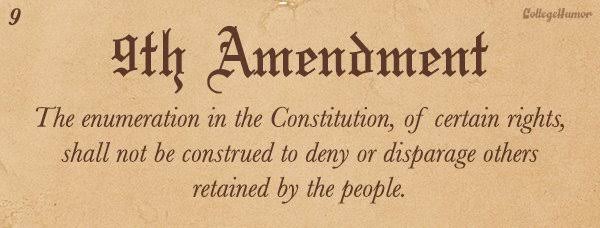

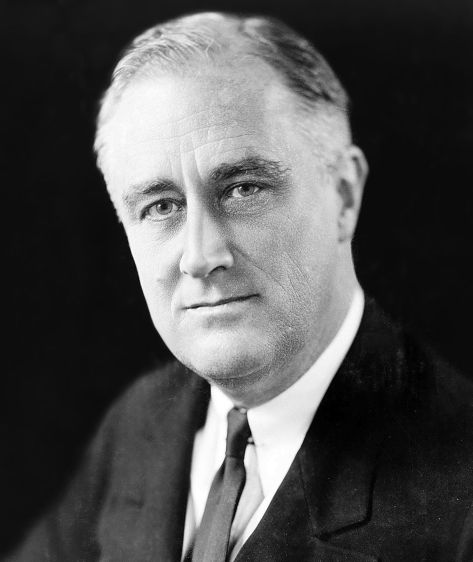
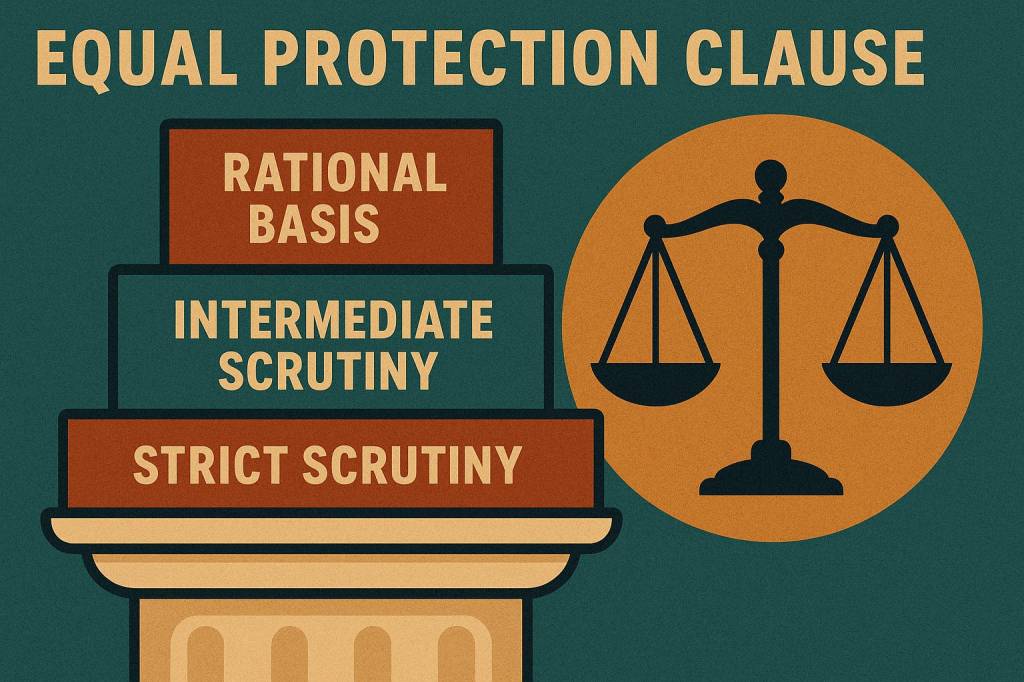
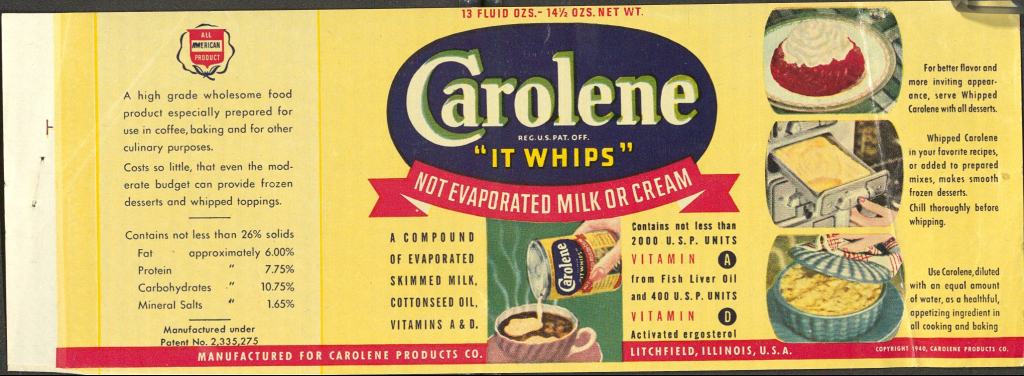
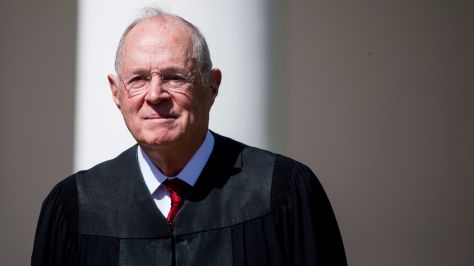
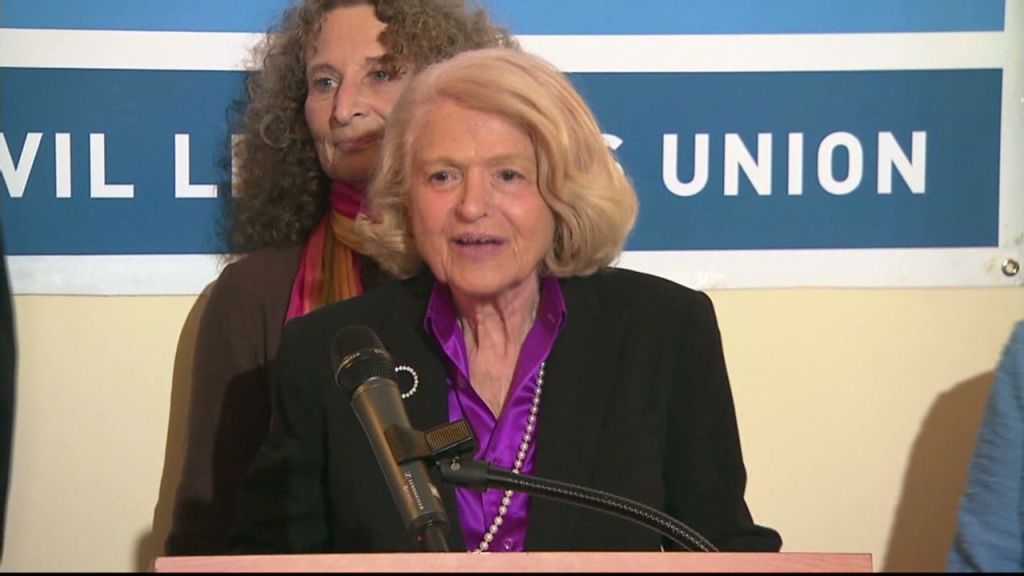
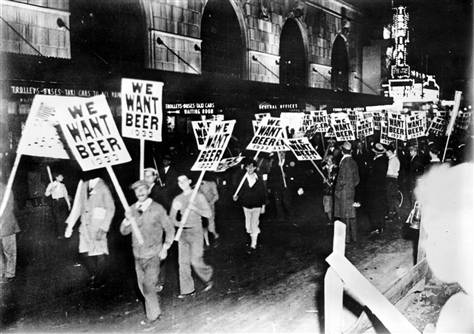
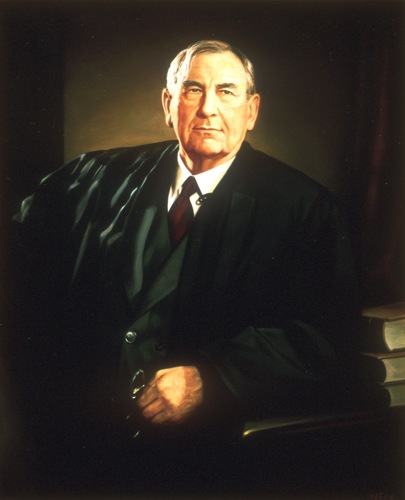
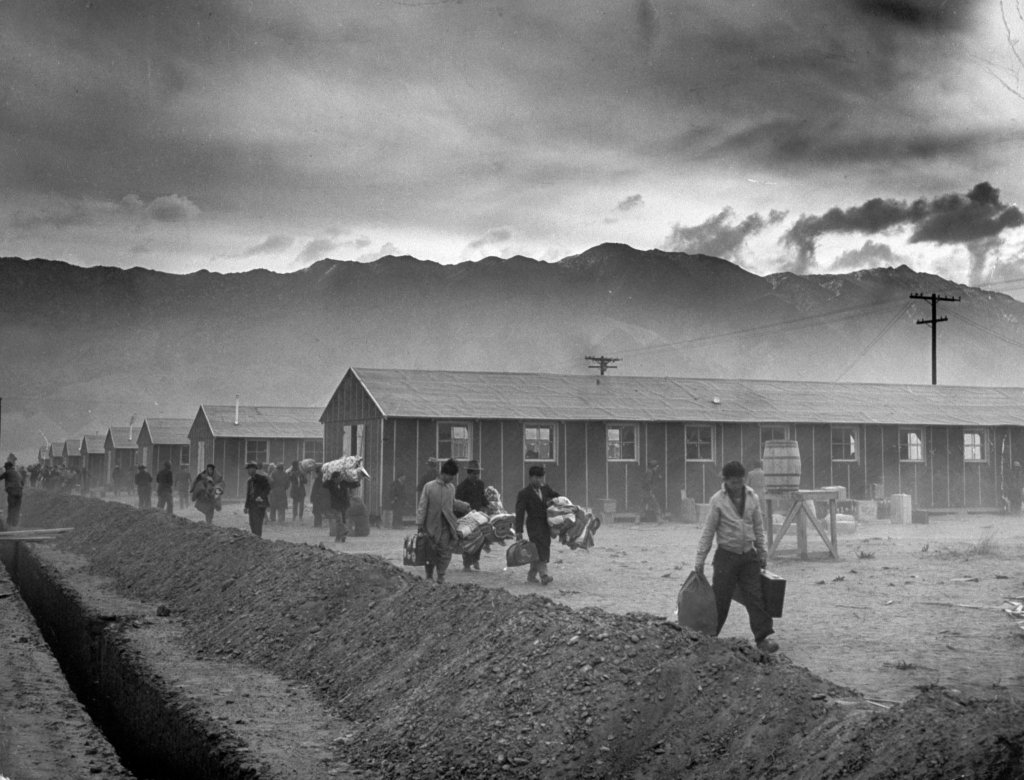
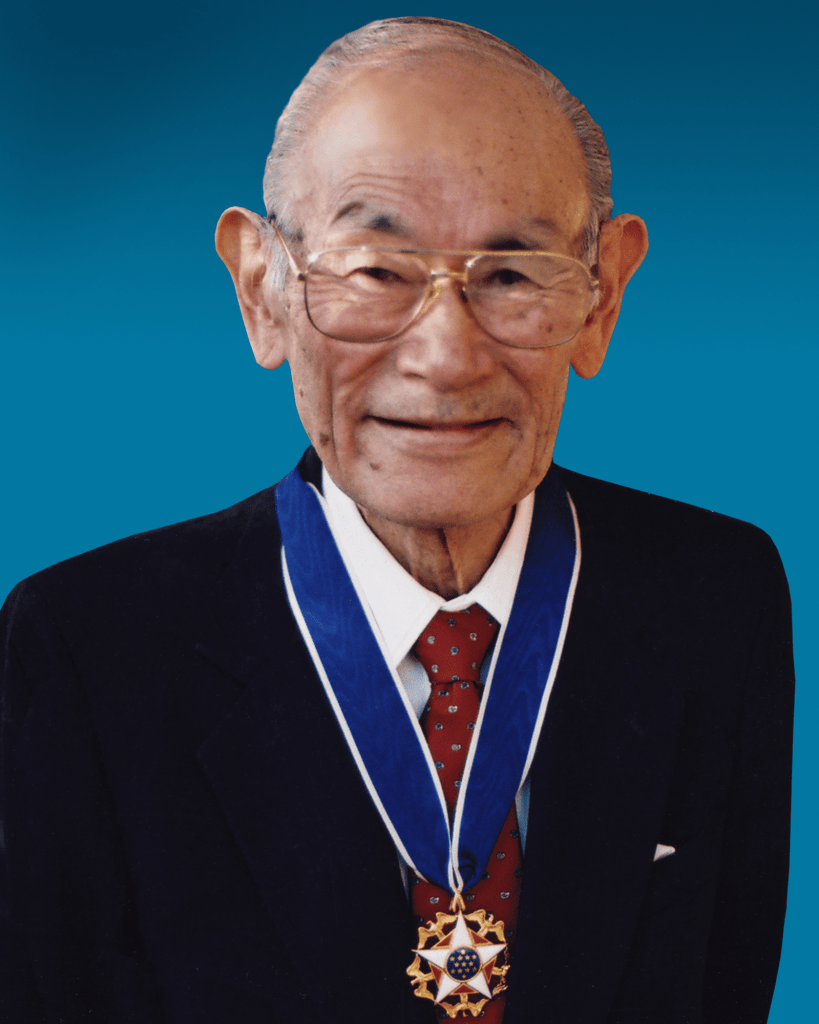
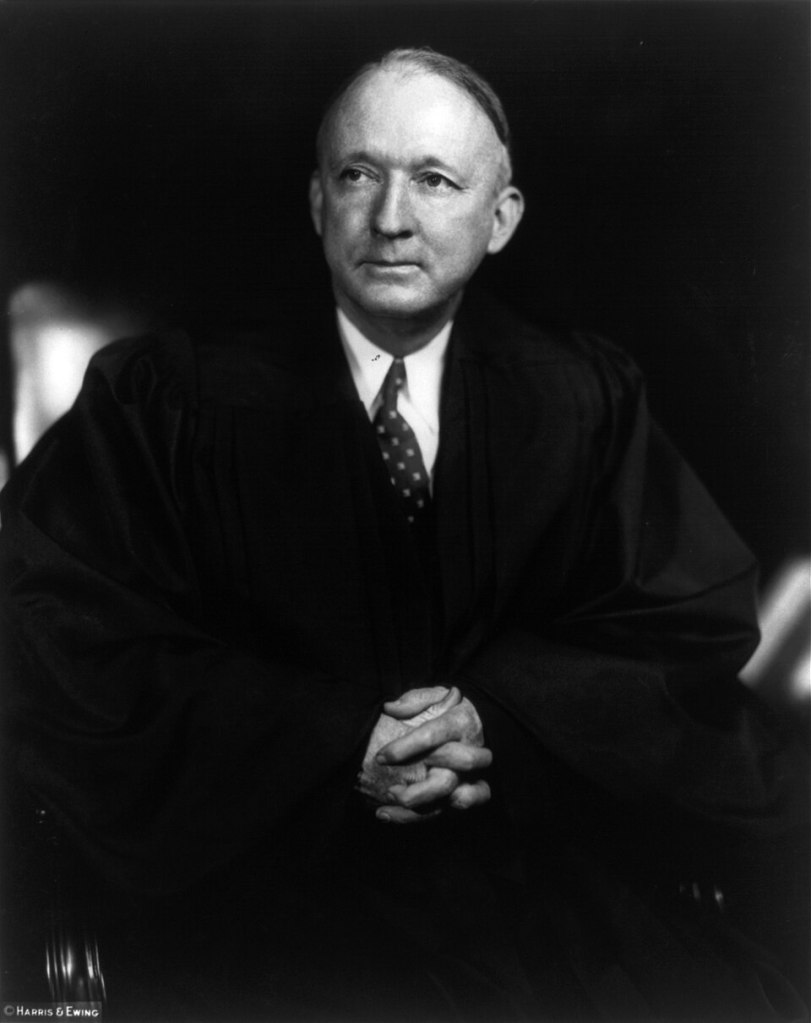
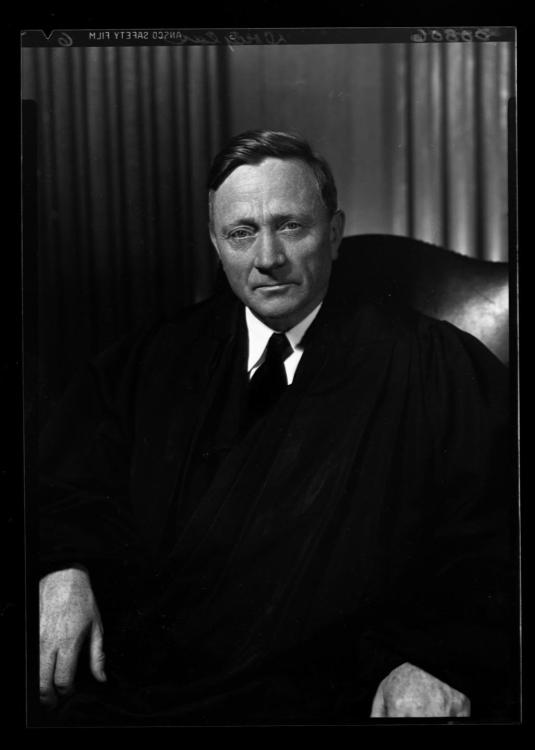
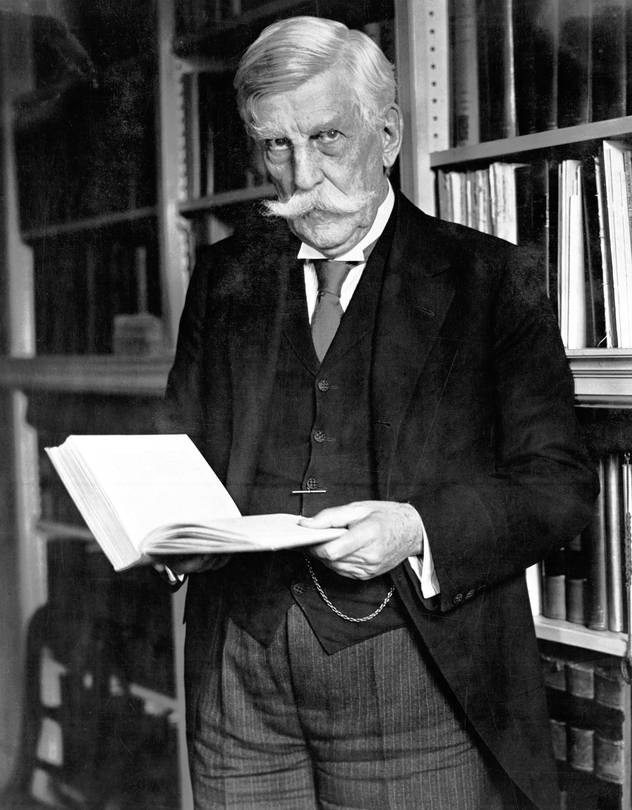
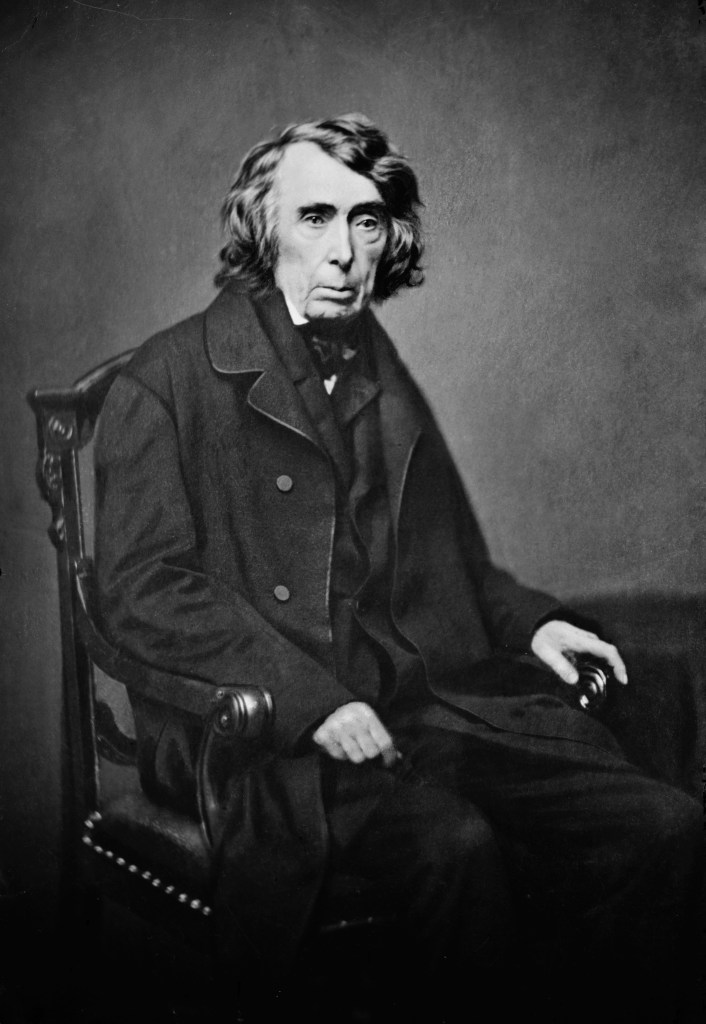




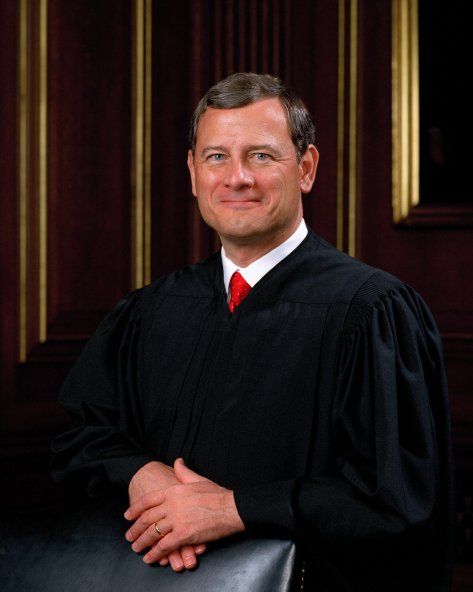



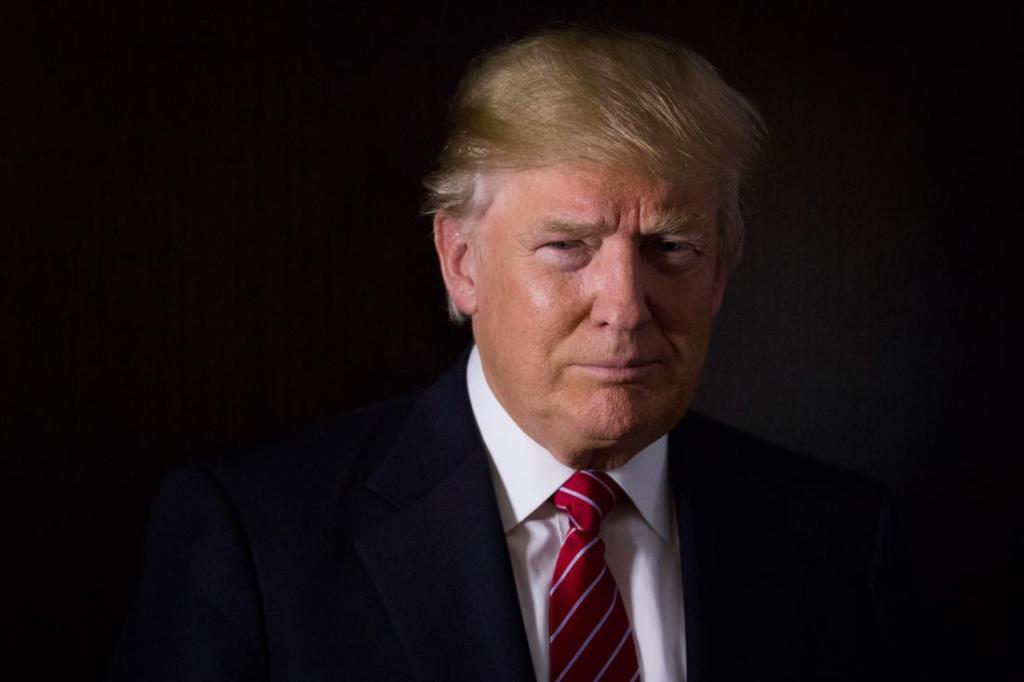


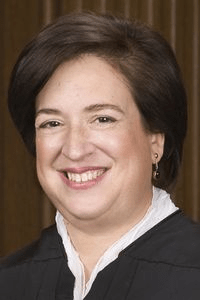


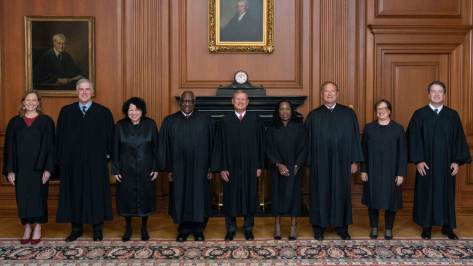




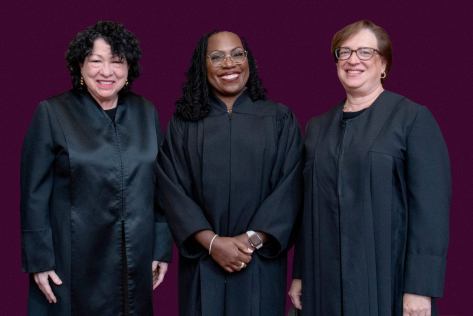
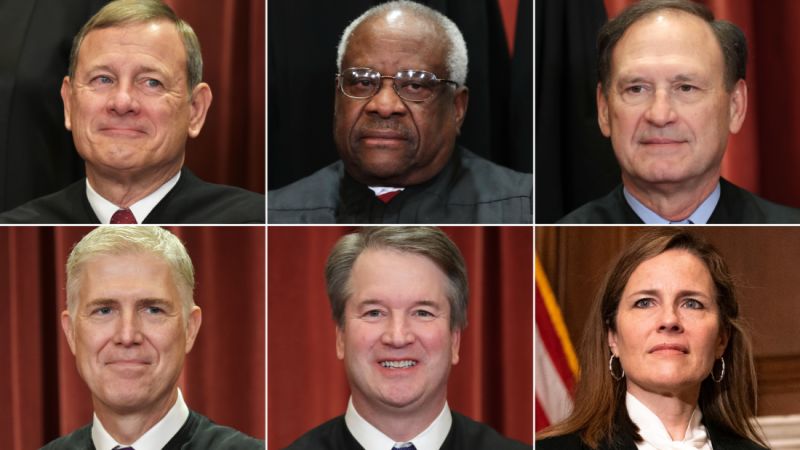


![visa_application_rejection[1]](https://logicallibertarian.com/wp-content/uploads/2015/12/visa_application_rejection1.jpg?w=300)

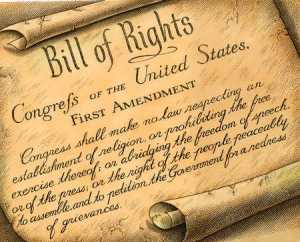


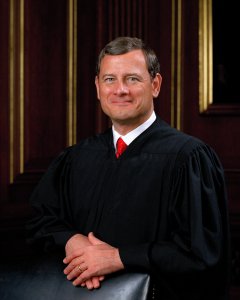

![alcohol1[1]](https://logicallibertarian.com/wp-content/uploads/2014/11/alcohol11.jpg?w=294)
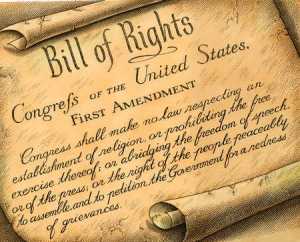


![shariah-law[1]](https://logicallibertarian.com/wp-content/uploads/2013/12/shariah-law1.jpg?w=300)
![SundayAlcohol[1]](https://logicallibertarian.com/wp-content/uploads/2013/12/sundayalcohol1.jpg?w=300)

 The Logical Libertarian™