In case you’ve been under a rock, we have this president who loves tariffs. I don’t mean he thinks they’re good. I mean, he is actively trying to figure out how he could stick his Anthony Wiener in tariffs and make little orange tariff babies—it’s unsettling.
Here’s the issue, tariffs are a tax on goods, under another name. The only thing making them different is unlike a sales tax that applies to everything except tax exempt stuff, and are applied at the point of sale, tariffs only apply to foreign goods, and the tax is applied at the point of import.
Tax Man Max from Schoolhouse Rock
With that in mind, I’ll take you back to grade school government. Who has the power to levy taxes? Not the fucking president, that’s who. There’s this group of 535 assholes (subject to change) we call congress—that’s their bag, baby.
Despite the fact that the GOP control the Senate and the House of Representatives, Trump refuses to work to get congress to enact such tariffs—he’s decided he must do it himself by fiat.
Trump, not certain whether he’s a fucking king or not, decided to figure out if there was some law, any law, that would give him the power to impose tariffs at will, and he fell on The International Emergency Economic Powers Act (IEEPA).
This law essentially says, if the president declares there to be an emergency, he has certain powers to deal with that emergency. The phrase in the statute he relies on to impose tariffs says:
The President may regulate importation or exportation of any property in which any foreign country or a national thereof has any interest.
I won’t go into how stupid this is, but suffice it to say, I have a trade deficit with Walmart. Not because they’re taking advantage of me and creating an emergency, they just have more things I want from them, than they want from me.
This is a global economy, and trade deficits are a natural part of it. They’re certainly not a fucking emergency. Not to mention, this was often done because someone from that country annoyed him. To argue he was somehow methodical and precise in this, would be ridiculous.
So, anyway, the folks at Learning Resources, Inc. buy some shit to sell here in the US that comes from lands far far away, and Trump’s tariffs are making it hard for them to stay profitable. So they dusted off their copy of IEEPA, and were like, “I don’t see the word tariff in this mother fucker anywhere.”
And with that, they decided to challenge our Tariffer-In-Chief for enacting tariffs they believe he does not have the power to enact. They argue that the major questions doctrine (remember that from cases like Loper Bright?) should certainly apply here—that these tariffs affect a shit ton of folks, and it’s a power the president wasn’t explicitly given. Therefore, fuck that asshole.
As per usual, a lower court decided against Trump. Also, as per usual, Trump got his wittle feewings hurt, and appealed. I told you, he really wants to have a little orange tariff baby—he ain’t fucking around.
So off we go to SCOTUS, and to see if they’ll give him an unearned victory.
The Arguments: Team Trump
First up, we have the tender strains of John “Gravel Voice” Sauer. I don’t mean to pick on the guy, but I think him and RFK Jr. went to the same vocal coach.
John Sauer
Mr. Chief Justice, and may it please the Court: On April 2, President Trump determined that our exploding trade deficits had brought us to the brink of an economic and national security catastrophe. He further pronounced that the traffic of fentanyl and other opioids into our country has created a public health crisis, taking hundreds of thousands of American lives. President Trump has declared that these emergencies are country-killing and not sustainable, that they threaten the bedrock of our national and economic security, and that fixing them will make America strong, financially viable, and a respected country again.
Counsel John Sauer
Due to IEEPA tariffs, President Trump has negotiated agreements worth trillions of dollars with major trading partners, including most recently China. Unwinding those agreements, he warns, would expose us to ruthless trade retaliation by far more aggressive countries and drive America from strength to failure, with ruinous economic and national security consequences. In Dames & Moore against Reagan, this Court held that IEEPA’s sweeping and unqualified language grants the President’s actions the strongest presumption of validity and the widest latitude of judicial interpretation. Yet plaintiffs argue that tariffs, IEEPA’s least blunt and most nimble tool, are virtually the only tool that Congress did not grant the President to deal with foreign emergencies. That is wrong. The phrase “regulate importation” plainly embraces tariffs, which are among the most traditional and direct methods of regulating importation. And plaintiffs concede that IEEPA authorizes quotas and other tariff equivalents. The major questions doctrine does not apply here. IEEPA confers major powers to address major problems on the President, who is perhaps the most major actor in the realm of foreign affairs. And the nondelegation doctrine casts no doubt on IEEPA because Congress may assign the President broad authority regarding the conduct of foreign affairs, where he enjoys his own inherent Article II powers. I welcome the Court’s questions.
So he begins with a “ends justify the means” statement. That’s not how any of this works, when it comes to presidential powers.
Then, his tactic is to argue some perceived success of Trump’s tariffs, as if that’s justification. He’s taking a marketing approach to lawyering. Novel, but seems stupid.
Anyway…Sauer picks a tenuous argument that somehow, IEEPA giving the president the power to regulate importation should be meant to include tariffs. This is a stretch, but we’ve been here before with Sauer and Trump in the presidential immunity case, where I thought his arguments looked like trash, and yet that fucker won.
It’s worth noting, he used a pretty logically fallacious argument, saying that somehow the other side is saying that the only tool not available to Trump is tariffs. They absolutely did not say that. Quite the strawman he built there.
He also argues somehow that tariffs are the least harmful way to regulate trade, as opposed to bans or embargos. But that’s also just him giving an unsubstantiated opinion.
There are an infinite number of ideas the Trumpster Fire could have come up with to regulate trade. That’s how new ideas work. Most of them were potentially open to him. So the idea that tariffs were the only tool, is absolutely ridiculous. Even if Trump isn’t exactly a creative genius, he has people around him who could have come up with something new.
Justice Thomas the elder chimed in and asked how the major questions doctrine doesn’t apply here.
Associate Justice Clarence Thomas
He first started by arguing that congress certainly inferred a president to have some major authority on certain issues, apparently setting the stage for why they inferred this major issue to him.
This SCOTUS has almost always struck shit down for “major questions doctrine” reasons in the past. So Sauer attempting to short circuit that philosophy seems ill advised.
He then went on to say that congress infers such major powers, but “keeps an eye on that shit” just in case.
He argued some how, The Constitution’s Article II powers over foreign affairs often give him such massive authority.
What the fuck? Is he stoned?
Before he could get to his next point, Justice Kagan chimed in and was like, “Bro, do you have a single example here? Taxation is an Article I power delegated to Congress, and tariffs are part of that shit. So what article II power is so fucking huge, that you think it justifies him taking Article I powers away from Congress? Are you fucking mad?”
He tried to argue that if shit were all cool and the gang with these foreign entities we trade with, IEEPA wouldn’t apply. But somehow because Trump decided trade deficits were an emergency, he can then use said declaration to do something about that shit, because he has constitutional authority over foreign affairs.
Ballsy!
He went on to say, and I’m not making this shit up…
We don’t contend that what’s being exercised here is the power to tax. It’s the power to regulate foreign commerce. These are regulatory tariffs. They are not revenue-raising tariffs. The fact that they raise revenue is only incidental.
Sauer has balls the size of Jupiter to look at these nine justices dead in the eye, and bold-faced bullshit them.
Justice Sotomayor, wholly unimpressed with Sauer’s argument, chimed in with what is essentially, “Are you fucking nuts?” The power to tax resides with congress. So you argue tariffs are not a tax to circumvent that. But clearly, it’s a fucking tax. It raises revenue for the government, for fuck’s sake.
She then went on to questions his “it’s regulatory” claim. She’s like, “You’re raising revenue, man. If you wanted to limit goods coming from China, you just fucking limit them with quotas or an embargo. Your dumb fucking boss is the one who decided to make revenue off of it.”
Official Portrait of United States Supreme Court Justice Sonia Sotomayor Click for Biography
She also blasted Sauer on the notion that somehow the president just arbitrarily deciding something is an emergency doesn’t all of a sudden give him new powers to enact sweeping taxes. Otherwise, every fucking president would be doing that shit.
Sauer, answering the major questions doctrine point first, somehow felt his iron clad defense was that the court had never applied the major questions doctrine to foreign policy. That’s it. That’s his brilliant fucking response. We’re talking about a tax, which he know kills his whole claim, so he’s trying his level best to reframe it as a foreign policy issue.
Sotomayor decided to hit him with the ole hypothetical. She’s like, “So Biden could have just declared that student loan debt was an emergency, and then slapped a tariff on foreign oil to pay for it? He’s declared an emergency, and it would have went against foreign goods?
Sauer stammered a bit without getting to an answer before Sotomayor, still like a dog with a bone, was like, “I can point to at least 16 fucking laws here where congress wrote in the word tariff or tax into a law when they wanted that to be an option. But they didn’t in IEEPA. So what logic do you have to suggest that they inferred it here when they didn’t explicitly write it in.”
Sauer pointed to a different case (Algonquin) where the court allowed then president Gerald Ford to set licensing fees on foreign goods if the secretary of the treasury argued that a country was importing so much of something that it created a national security issue. This relied on section 232(b) of the Trade Expansion Act of 1974 (TEA). They were concerned about oil imports, specifically.
38th President of the United States – Gerald Ford
But the Algonquin opinion was a narrow ruling, and they even stated that allowing this specific thing shouldn’t lead future courts to give license to the president to do similar shit.
They allowed this because the specific law in question delegated quite specifically, the power to the president to regulate the import of these goods, which they felt must include tariffs, licenses, etc.
Frankly, this is so far the only good argument I’ve heard from Sauer, and it’s still a little sketchy because the court literally said they should not consider this ruling to allow broader presidential authority, which is exactly what Sauer is doing here.
Also worth noting, the Trade Expansion Act of 1962 (TEA) they’re citing, during peacetime, requires the Secretary of Commerce to do a formal investigation and show a national security risk, before the president can impose fees on those goods.
Trump has used this law to put tariffs on steel, aluminum, and oil before, so he has relied on it as well as IEEPA he’s using now. However, many of the tariffs Trump has imposed are political in nature, and therefore wouldn’t fall under TEA, if you were wondering.
Justice Jackson took issue with Sauer wanting to compare the Trading With The Enemy Act (TWEA)’s interpretation to IEEPA.
Associate Justice Ketanji Brown Jackson
Congress enacted this legislation (IEEPA) with the intent of preventing the President from having unlimited powers in this area, and you’re asking us to now interpret that statute consistent with an understanding that Congress wanted to allow the President to do pretty much whatever he wanted in this area.
You see, TWEA was passed in 1917—WW1 times, but as time went on, congress felt it gave the president too much power. So IEEPA, passed in 1977, was meant to restrain some of that, and better define what the president could and could not do during an economic emergency.
Sauer argued that the phrase “regulate importation” must carry with it, the power to impose tariffs. He also places a lot of weight that the duty is due “at the border” as if to say, it’s not a tax on the people, because it occurs at the border, not within the border. Hint: That’s not a thing.
Justice Barrett was next to hit Sauer with a question. She kept it simple. She asked:
General Sauer, can I just ask you a question? Can you point to any other place in the Code or any other time in history where that phrase together, “regulate importation,” has been used to confer tariff -imposing authority?
Associate Justice Amy Coney Barrett
Sauer really stumbled on this one, as he could only cite the court’s rulings on Algonquin, and similar instances, but not where Congress specifically conferred this power with the “regulate importation” text.
After citing precedents several times, even Sotomayor had had enough, and point blank asked him:
Could you just answer the Justice’s question?
But all he had was unrelated precedents. He kept arguing that foreign tariffs are regulating imports, as if somehow he can’t believe they don’t understand that.
Again, IEEPA (1977) amended TWEA (1917). As you might imagine from the name, this was about a president, during war time, being able to ban imports from someone who’s our enemy. But then in 1933, FDR got it amended to broaden it from “only during war time” to “during any national emergency.” Let’s just say, presidents abused that shit, so IEEPA was formed to reign it back in. This was what Justice Jackson was complaining about above.
So congress did a little “copy and paste” shit with TWEA to IEEPA. To that point, counsel Sauer argued:
Let me put it this way: You look at all nine verbs together and you’re looking at a spectrum of powers from the most sort of negative, “nullify,” “block,” “prohibit,” “void,” to the most affirmative, “direct,” “compel,” and then also powers in between that are more intermediate, “regulate,” “investigate,” and so forth. So the natural common -sense inference from that grammatical structure is the intention of Congress to sort of cover the waterfront.
So his argument is that because congress used that same language in IEEPA, surely they still meant for the president to be able to impose tariffs, and with all the negative, position, and ambiguous words, he can’t see how tariffs aren’t just a part of that.
But in response to this, Justice Kagan said:
Well, possible, General, possible, except Congress did take out a whole bunch of verbs. It took out “confiscate,” “vest,” “hold,” “use,” “administer,” “liquidate,” “sell,” which were in the prior statute. And crucially, what it doesn’t have here is anything that refers to raising revenue. So it has a lot of verbs. It has a lot of actions that can be taken under this statute. It just doesn’t have the one you want.
Justice Sotomayor chimed in with:
Official Portrait of United States Supreme Court Justice Sonia Sotomayor Click for Biography
I’m sorry, counsel, it doesn’t say “regulate tariffs.” It says “regulate importations and exportations.” You agree that they can’t put tariffs or taxes on exportations constitutionally?
He agreed.
So she was like, “Then why the fuck should we assume it means to confer the power to tariff imports?”
Again, his only argument is that regulating imports must include the power to tariff.
Sotomayor, still skeptical asked:
Why is it that Congress has always used “regulate” and “tax” together in the Code? Are you telling us that with respect to its use of “regulate” in other statutes, the taxing reference is superfluous? They didn’t need to do that?
His argument was that going back to TWEA and it’s power to tariff, there’s pedigree here.
But IEEPA replaced TWEA because TWEA was being abused. They were literally reigning in presidential power. So by what logic would such a huge power like tariffs somehow be casually left in place, even though they didn’t put that language in there?
Justice Roberts really hammered Sauer on the idea that tariffs are taxes, and it seems pretty sketch that congress just gave that away to the president, when IEEPA was intended to reign in presidents.
And all this is somehow based on the idea that imposing tariffs is the main way of regulating imports? It’s just not. There’s embargos, quotas, product bans, and any new shit the president could think up. Sauer’s argument that tariffs is the only way, is pretty ridiculous.
Sauer argued that revenue raising was just “incidental.” That the goal, is to get people to stop buying foreign goods and only buy American. In that case, no revenue would be raised, making these tariffs regulatory.
Justice Sotomayor jumped in and asked, “if that’s your fucking goal, then why the fuck didn’t that orange prick just bar importations altogether. If that’s his fucking goal, embargos and bans are much more effective than tariffs. It literally fixes the problem overnight.”
Justice Jackson then pointed out that TWEA, via a senate report, explained that it was trying to control or freeze property transactions where a foreign interest was involved. It didn’t say a fucking thing about raising revenue. She also points out that this was a wartime provision, to prevent trading with an enemy country. How the fuck then, does this justify tariffs on our friends?
Sauer again reiterated it wasn’t about raising revenue, even though that’s all Trump talks about it being for. Then went on to say, that quotas are basically the same as tariffs, which they’re certainly fucking not. I think his tactic of assuming the justices are morons isn’t going to favor him here.
If I may riff on this a bit. He keeps arguing quotas were part of the language, and they're similar to tariffs, so he doesn't see the harm. This is stupid. quotas just limit amounts of goods that can come in. Tariffs add taxes to goods that are paid by the American people. The idea that Sauer and other Trump cronies refuse to acknowledge that, is insultingly stupid.
Up to now, most of the arguments were statutory. Meaning, does the IEEPA statute give the president the power to enact tariffs?
But justice Kagan then moved on to a constitutional question about whether congress can delegate it’s power to tax to congress.
Associate Justice Elena Kagan
This is sometimes referred to as the nondelegation doctrine. A philosophic principle that basically says congress cannot give away it’s powers to the president, without clear guidelines.
Sauer and Kagan had quite the lengthy exchange here, but ultimately he relies on the idea that this is merely about foreign affairs, not taxation. Again, hitting the ole, “It’s a regulatory tariff, not a tax” argument.
Next up was Justice Gorsuch. I’m just gonna say this now, I think he takes the major questions doctrine, and the nondelegation doctrine pretty damn seriously. He launched into a very polite tirade, which included this…
What would prohibit Congress from just abdicating all responsibility to regulate foreign commerce, for that matter, declare war, to the President?
Sauer responded that he didn’t think they could do that, and Gorsuch literally just responded, “Why not?”
He’s not wrong. That’s kinda Sauer’s argument.
Sauer tried to go back to IEEPA and it’s “limitations” which are kinda a joke. He’s talking about how the president has to declare an emergency first, and shit like that. But the executive branch controls that, so there’s no real guardrails on that shit. The president can just call it an emergency for whatever reason they want, and they’re off to the races. There’s no limits on how much he could tariff, as evidenced by his 100%+ tariffs he hammered on some countries, nor is there a limit to how long the tariffs can be in place, in IEEPA, remember, tariffs aren’t mentioned at all.
So it’s a pretty ridiculous argument from Sauer, which he also made with Justice Sotomayor, who pointed out that there’s nothing really stopping the president from declaring an emergency.
But Gorsuch nipped that shit in the bud. He responded…
I’m not asking about the statute. General. I’m asking for your theory of the Constitution and why the major questions and nondelegation, what bite it would have in that case.
He wants to know if congress has that right to delegate such power at all in any statute. This is a swing for the fences on the nondelegation clause, which basically says Congress can’t delegate it’s constitutional powers at all.
Gorsuch then asked:
You’re saying there’s inherent authority in foreign affairs, all foreign affairs, so regulate commerce, duties, tariffs, and war. It’s inherent authority all the way down, you say. Fine. Congress decides tomorrow, well, we’re tired of this legislating business. We’re just going to hand it all off to the President. What would stop Congress from doing that?
Associate Justice Neil Gorsuch
Counsel Sauer argued that this would be too far. That congress can delegate within certain parameters, they can’t just give it away entirely.
Gorsuch then asked:
Okay. You emphasize that Congress can always take back its powers. You mentioned that a couple of times. But don’t we have a serious retrieval problem here because, once Congress delegates by a bare majority and the President signs it—and, of course, every president will sign a law that gives him more authority—Congress can’t take that back without a super majority. And even—you know, even then, it’s going to be veto-proof. What president’s ever going to give that power back? A pretty rare president. So how should that inform our view of delegations and major questions?
The reason justice Gorsuch argues they’d need a super majority, is because presidents love power. Any attempt to change the law, even if it passed the house and senate, would likely get vetoed by any president who wanted to exploit it. So there would then need a super majority to overcome a presidential veto if congress tried to take back some of IEEPA’s delegated powers.
Gorsuch is playing 3D chess over here.
Sauer conceded this point, but essentially argued it’s not impossible. Especially if the sitting president agrees with the change they’re trying to make, even at the expense of their own power. He cites in 2023 where congress ended the 2020 declaration from Trump that COVID was an emergency, and Biden signed it.
It’s not a horrid example, but it’s not a great one, either. COVID was no longer a pandemic, and if Biden had tried to exercise some huge authority to combat COVID at that point, it would have been political suicide. So no reason not to let that one go, from Biden’s perspective.
Gorsuch snuck in another principle on him when he asked if all tariffs were foreign affairs. I think the heart of this question is to determine if there’s some conflict between a president’s job in foreign affairs versus congress’ job in levying taxes.
Associate Justice Neil Gorsuch
Sauer agreed they largely are, while arguing that there’s a spectrum, so to speak, and that regulatory tariffs are more foreign affairs related, and revenue raising tariffs are more domestic policy, and that was the end of that.
Justice Kavanaugh wanted to know, why haven’t any other previous presidents, since IEEPA was enacted, used it for tariffs.
Counsel Sauer said they reviewed 69 emergencies. (Side note: I think Sauer just had a prop bet with his buddies at the firm to see if he could sneak in saying 69 during oral arguments.) None of them were really the kind of emergency a tariff would solve, in his estimation, as opposed to this trade deficit “emergency,” which seems well-suited for tariffs.
Justice Barrett asked Sauer to elaborate on Gorsuch’s question about getting power back. You see, the 2023 example was a case where COVID was clearly no longer an emergency, so Biden had no reason to continue it.
But in this case, Barrett is saying, if we had a president who was relying on IEEPA like President Trump is, surely you understand congress could never get him to sign a law banning him from using it the way he wants to use it, right?
He largely seemed to not want to argue against this, without conceding, since it doesn’t help him.
Then justice Barrett asked about why Trump needed to attach so many tariffs to so many countries, including many who are our friends like Spain and France.
Associate Justice Amy Coney Barrett
He answered by saying they’re so broad, because the emergency is so broad. He didn’t cite any data to support this, I guess we’re just supposed to take Trump’s word on it.
The Arguments: The Petitioners – Learning Resources Inc. (and other Private Parties)
Up next is Counsel Neal Kumar Katyal, who opened with this.
Thank you, Mr. Chief Justice, and may it please the Court: Tariffs are taxes. They take dollars from Americans’ pockets and deposit them in the U.S. Treasury. Our founders gave that taxing power to Congress alone. Yet, here, the President bypassed Congress and imposed one of the largest tax increases in our lifetimes.
Many doctrines explain why this is illegal, like the presumption that Congress speaks clearly when it imposes taxes and duties and the major questions doctrine.
But it comes down to common sense.
It’s simply implausible that in enacting IEEPA Congress handed the President the power to overhaul the entire tariff system and the American economy in the process, allowing him to set and reset tariffs on any and every product from any and every country at any and all times.
And, as Justices Gorsuch and Barrett just said, this is a one-way ratchet. We will never get this power back if the government wins this case. What president wouldn’t veto legislation to rein this power in and pull out the tariff power?
IEEPA is a sanction statute. It’s not a tax statute where Congress gave away the store. Congress knows exactly how to delegate its tariff powers. Every time for 238 years, it’s done so explicitly, always with real limits.
IEEPA looks nothing like those laws. It uses “regulate,” which Congress has used hundreds of times, never once to include tariffs. And it lacks the limits of every other tariff statute. And that is why, even though presidents have used IEEPA to impose economic sanctions thousands of times, no president in IEEPA’s 50-year lifetime has ever tried to impose tariffs.
Neal Kumar Katyal
And the President bypassed statutes that do address tariffs, like Section 122 for large and serious trade deficits, but that imposes a clear guardrail, 15 percent cap, 150-day limit. This is Youngstown at its lowest ebb. If the government wins, another president could declare a climate emergency and impose huge tariffs without fines without floors or ceilings, as Justice Gorsuch said. My friend’s answer?
This administration would declare it a hoax. The next president may not quite say that. This is an open-ended power to junk the tariff laws and is certainly not conveyed by the word “regulate.” I welcome the Court’s questions.
Justice Thomas asked about how embargoes are somehow OK, but tariffs aren’t.
Counsel Katyal advised that tariffs are taxes, they raise revenue. Embargos are a hard stop in trade altogether. Maybe they have similar goals, but very different actions.
Justice Roberts was up next, and asked about the fact that tariffs are foreign facing, and that foreign affairs is the purview of the president, not congress. So should they support Trump’s case here?
Counsel Katyal agreed with most of that, but stated that the constitution never gave the executive the power to raise revenue, even while at war. He then quoted Justice Robert Jackson from a 1952 case, Youngstown Sheet & Tube Company v. Sawyer, where President Truman, in order to fend of a labor union strike he felt would create a national emergency, attempted to seize control of the nation’s steel mills. In a 6-3 loss, Truman was advised to go fuck himself.
In that opinion, Justice Jackson said,
Emergency powers tend to kindle emergencies, so it’s essential the public may know the extent and limitations of the powers that can be asserted and persons affected may be informed from the statute of its rights and duties.
His point being, we can’t just let the president declare an emergency, and then citing that emergency, do whatever the fuck he wants. Otherwise, every president will declare everything an emergency, then do whatever the fuck they want. As an example? Donald J. Trump, and his bullshit “emergency” tariffs.
Justice Kavanaugh wanted to understand if Katyal agreed that if congress had specifically said the president could issue tariffs in IEEPA, that it’s constitutionally permissible.
Associate Justice Brett Kavanaugh
Counsel Katyal agreed, assuming there are limits that are clearly defined.
He didn’t agree that president could just put a 300% tariff on someone and call it an emergency, for fuck’s sake.
He pointed out that Trump imposed a 39% tariff on Switzerland, and not only are they an ally, they actually buy more goods from us than we do from them. So how the fuck does that make sense as a trade emergency?
Justice Alito, seeming skeptical of Katyal’s argument asked, “What if Congress told the president to regulate parks. A park is particularly busy. So could the president have them charge an admission fee to reduce visitor counts?
He said, if it raises a fee, then no. Congress needs to explicitly give him that power.
Alito then went on to show the power of logic has left him by asking an inane question. He asked, what if they’re not revenue raising tariffs? His example was, a tariff is enacted but not imposed until 90 days if the country doesn’t comply. So if they do, no tariff is collected.
How the fuck does that work? He’s asking if it’s OK as long as no one ever violates it? That’s fucking stupid. I hate to be disrespectful to Alito, I’ve been there where I couldn’t come up with a great example, but still, it’s a pretty nonsensical question.
Associate Justice Samuel Alito
Counsel Katyal pointed out that Trump’s brief, and statements publicly suggest it’d raise 4 trillion smackaroos. I’d call that revenue.
He went on to point out, that if the president is saying a trade imbalance is an emergency, then he can enforce quotas, which would be more precise than tariffs.
So I know you were thinking I was overreaching by saying Alito was getting inane in his arguments, but folks, he wasn’t done. He then asked this:
You say that these executive orders do not address an unusual and extraordinary threat. I understand that argument. Suppose that the facts were that there was an imminent threat of war, not a declared war but an imminent threat of war with a very powerful enemy whose economy was heavily dependent on U.S. trade. Could a president under this provision impose a tariff as a way of trying to stave off that war, or would you say, no, the president lacks that power under this provision?
What the fuck is he even talking about? How does this scenario make any sense? For the love of God, Alito is losing it. I don’t know if this is just him really trying to support Trump, or if he’s losing his marbles, but Alito is compromised, man.
How the fuck could it be that an enemy of the US is about to go to war with us, but they sell goods to us, and so we impose a tariff against them, and that somehow gets them to like us more and not start a war? For fuck’s sake, if this hypothetical were true, an embargo would be the only fucking lever you’d pull. This is insane, from Alito.
Katyal again pointed out that the things IEEPA specifically gives him the authority to do aren’t raising revenue, where tariffs do.
He then hit Alito with a compelling and accurate response, IMO. He said:
If you ruled for us and the president says, I need this power, he could go across the street to Congress tomorrow and get it by a simple majority through reconciliation. But, if you vote for them, this power, as Justice Gorsuch said, as Justice Barrett said, is going to be stuck with us forever.
Neal Kumar Katyal
He’s absolutely right here. Again, the president is unlikely to sign a statute congress passes, which takes power away he wants to exploit from him. So they’d need a veto-proof majority. Therefore, getting congress to give him that power explicitly, is the more logical path.
In a response to a question from Justice Thomas who wanted to know if the president could impose tariffs as a means of getting a country to free an American hostage.
Katyal said, “The President is seeking the power to set aside all of our trade treaties unilaterally under the word “regulate.” I just don’t think it can bear that weight.”
Justice Alito went on to ask about other statutes that authorize tariffs, seemingly addressing the constitutional issue. But Katyal responded:
That’s something that can be decided by other courts at other times. As these folks come to the Court, as the government comes to the Court today, they’re citing one statute and one statute only, IEEPA, and we submit to you it doesn’t come even close to authorizing these worldwide tariffs that they’re seeking today.
This suggests he’s not really raising the constitutional nondelegation issue at all.
In a particularly feisty exchange with Justice Kavanaugh about previous times presidents imposed tariffs, Katyal points out that in all those other instances, the statutes which gave the president the authority to impose tariffs, there were clearly outlined limitations. Essentially, that congress would never give the president the limitless power to tariff, and if they did, surely they’d say so. So the lack of limits suggest, they weren’t intending for the president to be able to do that, because they’re always worried about that fucker going crazy.
Associate Justice Brett Kavanaugh
Justice Barrett asked if he agreed, since licensing is outlined in IEEPA, could the president impost a licensing fee?
Counsel Katyal said:
Not a fee. So I should have said this earlier, but license is different from a licensing fee. IEEPA and TWEA authorize licenses, not license fees. And no president has ever charged, to my knowledge, fees under those two statutes for the licenses. So fee is impermissible. License is okay.
He then again specified that if there was a licensing fee to cover costs of the licensing, that might be OK, because it’s not revenue raising. But Trump pointed out he expects the tariffs to raise 4 trillion dollars.
Justice Barrett asked about refunds, if Katyal were to win, of all the tariffs already collected.
When this case started, Katyal’s side asked for an injunction on the tariffs, because if Katyal’s side wins, refunding those tariffs could be quite the fucking mess.
But the government responded like this.
They then said, that refunds would be easy-peasy if they lose, so no reason to put a pause on them.
But now that they’re here in court, they’re acting like the refunds would be a huge burden, and therefore that’s why they should win. So that’s surely hypocritical.
The Arguments: The Petitioners (The States)
Last up is Solicitor General for Oregon, Benjamin Gutman who simply opened by saying IEEPA licenses never were fees. It was just a way to carve an exemptions for humanitarian reasons, or something like that. Clearly not revenue raising.
So an argument you’ve heard from the president and his peeps, was also put forward by Justice Kavanaugh. He asked, how the fuck could it make sense that the president could launch an embargo, which shuts down trade entirely, but a 1% tariff is somehow a problem. Sure one is a more major act than the other.
Deputy Attorney General of Oregon, Benjamin Gutman
I’d argue that tariffs are taxes on the American people, embargos just stop the trade altogether. But it doesn’t inherently cost the people any money.
But Gutman just argued that there’s never been another time where “regulate” on it’s own, was used to justify tariffs. All other instances, they used language to suggest revenue-raising efforts were allowed.
He went on to clarify to Justices Kavanaugh, Kagan, and Jackson, who all asked the same question in a roundabout way, that the reason they are different, is that with tariffs, there’s something in it for the government. For embargos, there isn’t. Sure, maybe a 1% tariff is less impactful than an embargo, but still, the government doesn’t benefit from an embargo, and the president doesn’t now have a new source of revenue to potentially exploit.
Justice Jackson, seemingly arguing for SG Gutman instead of questioning him responded:
And it would make perfect sense, I think, in a time of emergency for many of the reasons that General Sauer pointed out that Congress would want the President to have the kind of authority that is imposed when you are embargoing things, when you are stopping the trade, when you are saying, you know, for emergency reasons we’re not letting any of this product come in. I mean, sure, that’s a big deal, but the nature of it makes sense in terms of an emergency. I think what you’re saying is that the idea that the government would use its authority to be raising revenues in this situation is a different kind of power.
Associate Justice Ketanji Brown Jackson
Gutman agreed.
Justice Kavanaugh, lacking imagination, again argued that it seems nonsensical that a president could do an embargo, but not a small tariff.
The problem with this argument, and the reason I say he lacks imagination, is that the law doesn’t just allow embargos. It allows licenses and quotas, too. So Kavanaugh is ignoring the other tools that are there, to make this ridiculous false dichotomy argument that it’s the nuclear option or nothing, when it absolutely isn’t.
Counsel Gutman agreed with me.
Justice Sotomayor took the gloves off and attacked the president’s pettiness by pointing out the 10% he put on Canada because it hurt his feelings that it ran an ad about tariffs, and a 40% tax on Brazil because they prosecuted a friend of his. So this is why those powers must be restrained.
The Arguments: Respondent’s Rebuttal
Counsel Sauer had one final chance to rebut the other two, and so he went on a long diatribe, talking about how the tariffs did bring some countries to the negotiating table, and therefore they achieved the goals of resolving the emergency Trump declared under IEEPA.
The problem with this, is again, it lacks imagination. Trump didn’t try an embargo, but I’m sure that would have worked as well. Trump didn’t try quotas, but that could have also been effective. Like Kavanaugh, he made a false dichotomy argument, as if somehow tariffs were the only effective option.
The Opinion of the Court
Alrighty, place your bets, folks.
And the winner is…drumroll…Learning Resources Inc. et al., thanks to Justices Roberts, Kagan, Sotomayor, Barrett, Gorsuch, and Jackson.
So listen, there are no less than six fucking opinions on this ruling, and I’m not going to cover all of them entirely, but the one that matters is from the chief, himself.
He wrote:
Based on two words separated by 16 others in Section 1702(a)(1)(B) of IEEPA—“regulate” and “importation”—the President asserts the independent power to impose tariffs on imports from any country, of any product, at any rate, for any amount of time. Those words cannot bear such weight.
Chief Justice John Roberts
He argues that the tariffs Trump imposed were so limitless, that clearly a tacit reference to regulate imports couldn’t have allowed for something so impactful, especially during peacetime.
He continued that SCOTUS rarely allows the president to exercise power that isn’t explicitly and clearly granted to him by statute. He also reiterates Katyal’s argument that when congress does give such powers to the president, it does so with limits and guidelines—certainly not just saying the executive can regulate imports, and nothing else.
He then wrote:
Against this backdrop of clear and limited delegations, the Government reads IEEPA to give the President power to unilaterally impose unbounded tariffs.
On this reading, moreover, the President is unconstrained by the significant procedural limitations in other tariff statutes and free to issue a dizzying array of modifications at will. All it takes to unlock that extraordinary power is a Presidential declaration of emergency, which the Government asserts is unreviewable. And the only way of restraining the exercise of that power is a veto-proof majority in Congress.
That view, if credited, would represent a transformative expansion of the President’s authority over tariff policy, and indeed—as demonstrated by the exercise of that authority in this case—over the broader economy as well.
It would replace the longstanding executive-legislative collaboration over trade policy with unchecked Presidential policymaking. Congress seldom effects such sea changes through “vague language.”
Justice Roberts also cited that there was no other time IEEPA was used to impose tariffs, as was discussed at length during oral arguments, and pointed to other statutes that had been used by presidents to impose tariffs. I believe he was pointing out that other statutes have limits, guardrails, etc., which is the likely reason Trump didn’t use them—he wants the power to change them on whims.
He also argued that the sheer magnitude of what Trump had done, should give the courts pause. They should really consider whether congress clearly meant to infer such power. Since it’s not even mentioned IEEPA—safe to say they didn’t.
2025-2026 Supreme Court of the United States
He then addressed the “emergencies beget emergencies” concern, with which he agreed.
Trump’s side tried to argue that in times of emergency, the president needs broad sweeping powers to act. Instead, Justice Roberts suggested that in times of emergency, when the president is executing emergency powers, the courts should be increasingly skeptical, and require clear, inarguable authority powers were granted, not a single word, like “regulate,” that could just as easily be argued didn’t mean what the president says it means, such as in this case.
He then said, in a shot across the bow of Alito, Thomas, and Kavanaugh, who usually side with the major questions doctrine, but carved out an exception here:
There is no major questions exception to the major questions doctrine.
The dissent’s argument was that because the constitution gives the president dominion over foreign affairs, and tariffs are arguably foreign affairs, that somehow this means the major questions doctrine wouldn’t apply.
However, tariffs are paid for by American’s, no matter what Trump’s team tries to argue. Imported goods show up in America, and tariffs are paid for by the American companies who bought them, and then that expense is baked into the price that American consumers pay for them. So while there’s a foreign affairs component to it, the goal of tariffs isn’t to prevent people from exporting to the US, it’s to get Americans to stop buying imports, and that is not a foreign affairs issue, that’s a “government picking winners and losers in a free market” issue.
In his concurring, but separate opinion, Neil Gorsuch wrote this, and I think it’s so good, I’m going to post it without edit.
Associate Justice Neil Gorsuch
For those who think it important for the Nation to impose more tariffs, I understand that today’s decision will be disappointing.
All I can offer them is that most major decisions affecting the rights and responsibilities of the American people (including the duty to pay taxes and tariffs) are funneled through the legislative process for a reason.
Yes, legislating can be hard and take time. And, yes, it can be tempting to bypass Congress when some pressing problem arises. But the deliberative nature of the legislative process was the whole point of its design.
Through that process, the Nation can tap the combined wisdom of the people’s elected representatives, not just that of one faction or man. There, deliberation tempers impulse, and compromise hammers disagreements into workable solutions.
And because laws must earn such broad support to survive the legislative process, they tend to endure, allowing ordinary people to plan their lives in ways they cannot when the rules shift from day to day.
In all, the legislative process helps ensure each of us has a stake in the laws that govern us and in the Nation’s future. For some today, the weight of those virtues is apparent. For others, it may not seem so obvious.
But if history is any guide, the tables will turn and the day will come when those disappointed by today’s result will appreciate the legislative process for the bulwark of liberty it is.
No one knew at the time, that it would be a landmark case, initially, it was your basic snooze fest. But, it has since been cited in other cases over 18,000 god damn times.
Was Chevron a fascinating case with a compelling opinion? That’s a big nope. And, since this isn’t our case today, I’m just going to give a simple overview.
But before we get into that, we need to explain a distinction I don’t think I’ve covered before.
In the United States, we tend to think that congress are the only people who write laws. While this is the framework the constitution lays out, it gets complicated.
The word law, for our purposes, is a generic term that basically encompasses anything the government has created to control, regulate, or restrain itself, or the people. But, there are five types of things that carry the weight of law, which have different purposes.
The Constitution: It is the document creating government and restraining government, which all other laws derive from. So it’s the shit. From there, if:
Congress wrote it: This is called a statute, often called an act. This is how the constitution suggests laws are to be passed, and aside from the constitution, they carry the most weight.
The courts wrote it: This is called case law, or precedent. The constitution didn’t really grant this power to the courts, SCOTUS gave it to themselves in Marbury v. Madison (1803), by suggesting the constitution gave them this power when it created the courts and ordered them to interpret law. (That said, congress can then rewrite the law—invalidating the opinion. However, if the courts strike down a law as unconstitutional, congress can’t just repass a law with the same unconstitutional premise—they’d need a constitutional amendment to do that.
The executive (president) wrote it: This is called an executive order. Also not in the constitution. It derives from the president’s authority to execute the law. It was not initially intended to be law, so much as a temporary order. If the president needed to act quickly in an emergency, and congress wouldn’t have time to act, the president needed some power to get shit done, so this is what they came up with. It carries the weight of law, but congress can simply write a new statute invalidating or clarifying it.
An agency wrote it: This is called a regulation. It is meant to expand upon laws (statutes) congress wrote, not to have been new law created from nothing.
As you can see, congress ultimately has the broadest power to write laws, since they can invalidate any other forms of law, aside from the constitution itself.
President Barack Obama delivers a health care address to a joint session of Congress at the United States Capitol in Washington, D.C., Sept. 9, 2009. (Official White House Photo by Lawrence Jackson)
This case will specifically hinge around statutes and regulations, so I will make sure to use those terms appropriately. I wanted to make sure you, the reader, understand those distinctions, as this case is all about that shit.
We all know about the Environmental Protection Agency (EPA), right? Well, the 1970 Clean Air Act was their jam. It had a rule that said any new major “stationary sources” of pollution had to have a permit.
The idea was, if you had a factory or some large device in a place of business which was putting out pollutants, when it came time to replace that shit or build a new one elsewhere, it required a permit. The permit would then require that the replacement was cleaner than it’s outgoing counterpart.
However, to make life easier, if a company had for instance, a group of major polluting devices that worked in concert together at one location, then one of the components of that group took a shit, the company could replace it without obtaining a new permit, so long as the replacement component didn’t increase the total pollution coming out of the whole “bubble” of devices, as they called it.
It didn’t have to be better, just equal.
So, Chevron went about replacing one of these polluting devices, without upgrading it, under this bubble rule.
Great googly moogly, did that piss off environmentalists—they were none too fucking pleased. They wanted it replaced with a cleaner device.
Since the Clean Air Act (a statute written by congress, remember) didn’t really define a “stationary source” very well, the EPA (a regulatory agency) wrote the “bubble” rule into their regulation to clarify.
In their infinite wisdom, they felt it was a reasonable interpretation of the Clean Air Act’s intent—they were the experts after all. They didn’t think that just needing to repair an otherwise operative system somehow meant a company had to overhaul it completely. Not to mention, sometimes upgrading one component would require upgrading all of them, which could get really expensive.
But of course, environmentalists are the most nauseating group of social justice warriors that ever lived, and they decided to file suit, arguing that the EPA had no right to create this definition out of nowhere, just because it wasn’t well-defined in the Clean Air Act.
SCOTUS however, decided that since the Clean Air Act was ambiguous on this shit, and the EPA were the fucking experts, in such situations the court should defer to their judgement.
This one ruling, and the precedent it set, eventually translated into the idea that all government agencies should be deferred to, going forward, if they made a regulation in their expertise, that clarified ambiguous statutes written by congress, used to create the agency, or written to be regulated by that agency. It became known as the Chevron Deference, and it has been case law ever since.
As you can imagine, with a lot of government agencies, and a shit-ton of regulations, it makes sense that this case has been cited 18,000 times.
Now that you understand the basics of Chevron, let’s move on to our case today.
A group of fisherman (Loper Bright Enterprises) liked to fish in federal waters. But in this country, we often have a problem with over-fishing, where these commercial vessels take so many fish, that those populations of fish can’t reproduce fast enough to keep the species around for others to fish later.
Congress had had enough of this shit. They passed the Magnuson-Stevens Act (MSA), which is enforced by the National Marine Fisheries Service (NMFS), a federal agency, similar to the EPA referenced in the Chevron case above, albeit much smaller.
I know what you’re thinking. You’re thinking, “So how the hell does the government make sure that some asshole fishermen don’t overfish an area? They’re in the middle of the fucking ocean!”
No, it’s not with satellites, or sharks with laser beams on their fucking heads. They decided that they would require these fishermen to take a fed out on the boat with them. What made it worse to the fishermen, they had to fucking pay that fed to sail with them.
Imagine, in order to prevent speeding, if the Highway Patrol made you carry an officer in the car with you, and pay their salary for doing so. It’s hyperbolic, and just used to illustrate the point, but you can see why they might have beef with this.
The Magnuson-Stevens Act passed by congress didn’t specify this was the plan, but the NMFS decided to write that regulation, presumably because they couldn’t afford to pay these narks on their own budget. Since Chevron suggested such ambiguous law could rightly be clarified by them, they fucking went for it.
Under Chevron, the courts couldn’t really undo the rules made by NMFS, since the MSA didn’t create a clear rule for them to follow. So that’s why we’re here. To determine if these fishermen have a fair beef with NMFS, and potentially, if a previous SCOTUS was running a little fast and loose when creating this Chevron deference shit.
I’m going to go out on a limb, and explain the politics of this, because why the fuck not.
It’s important to understand a couple things. Remember, regulatory agencies are created by statutes which congress writes, but then the head of that agency is appointed by the president (with the consent of congress), and can by fired by that president, if the president is unhappy with the work they’re doing.
As such, a regulatory agency, is essentially, part of the executive branch.
So the concern, is that there are situations where the president might want congress to pass a statute, but Congress simply don’t have the votes to do so.
So what may happen, is the president looks at the regulatory agencies they oversee, and if one has some tacit connection to the statute they wanted passed, but couldn’t get passed, they tell the head of that agency to write a regulation that resembles the law they wanted. And then—abracadabra-alakazam—you have a law, and you didn’t need congress to pass it.
Since the constitutional principle of separation of powers suggests laws are to be passed by congress as statutes, and not the executive orders or regulations that come from the president, you can understand the separation of powers issue some people have.
People on the right tend to be for limited government, or at least that’s what they say, so they aren’t keen to give presidents this much power.
For Democrats, they argue that if a law is ambiguous about something, it makes sense for regulatory agencies to clarify. They’re the fucking experts, and it’s why congress creates these agencies in the first place.
For instance, imagine congress passes a law that creates the EPA, and says they’re supposed to ensure that the CO2 levels in the air stay within a range that’s acceptable for all current life on earth.
Since they don’t provide an actual number, it’s ambiguous.
So then they rely on the nerds at the EPA to do some science, come up with a number, and make that the regulation. Scientists are open to revising their beliefs based on new information, so if they find out their number is wrong, they can easily update the regulation based on the new science they did.
But you know who wouldn’t figure out what that number is? The fucking courts. They’re law nerds, not science nerds.
Now that you understand both political arguments, you know what I think? They’re both fucking right! They’re making extremely valid points.
Here’s where the politics come in. The left argue that the right are basically rebuking the expertise of the scientists, and instead, acting like they can do just as good of a job interpreting this shit.
They argue that this “separation of powers” issue is swamp gas. But this, I have a problem with.
I won’t re-explain the whole thing here, just know these basic facts.
Joe Biden is not an expert in virology or communicable diseases.
During the COVID pandemic, Joe Biden wanted congress to pass a law requiring everyone get vaccinated, and if not, to wear a mask in public. Presumably for as long as the CDC suggested we were in a pandemic.
Democrats were tacitly supportive of this, but Republicans were like, “Absolutely not! This is America. We’re a free country, and we don’t do shit like this.”
Joe Biden, being the senile by crafty fucker he is, unable to get congress to pass such a law, asked OSHA to make a regulation requiring vaccinations or a mask in the workplace, instead. This effectively would have had almost the same effect as the law he wanted, since the unemployment rate is only about 4%.
SCOTUS overruled that regulation, and Biden lost. But at the time, for whatever reason, they did not overturn Chevron.
President Joe Biden
So like it or not, there was a real world example of precisely what the right-wing were complaining about, that is quite recent, and quite true. A non-expert president, overstepped his constitutional authority, and bypassed congress to achieve his political goals.
So accusing the right of being conspiratorial and shit, is pretty unfair, in this case.
Anyway, now that you know all that, on to the arguments…
Up first, for the Loper Bright team, represented by veteran SCOTUS counsel Paul Clement.
Paul Clement
He opened first, by arguing that the expense of lugging around, and paying for, a fed on a fishing boat isn’t insignificant. It can be as much as 20% of their cost, for a smaller operation.
Not to mention, some of these boats are small, and an extra person gets in the way.
But then, he went after the big fish—the Chevron deference itself.
He spent most of his opening remarks saying that this deference was wrongly decided, and should be abandoned, while maintaining that the Chevron case itself was probably fairly decided.
His argument is that the courts need not determine whether the statute is ambiguous, and therefore a regulatory agency has the unquestionable right to clarify. But instead, that the courts should do what they always do, give their opinion as to what the best reading of the statute is.
Justice Thomas started by asking counsel about mandamus. What is mandamus you ask? I had to look that shit up, too.
Mandamus is when the courts, issue an order to a lower government official, telling them to do their fucking job the way they think that person ought to do it, under the law.
So for instance, if a higher court thinks a lower court have wrongly denied an innocent person their freedom on appeal, and that lower court refuses to take the actions needed to release the person, maybe because they’re arrogant cunts who think they could not have possibly fucked up, they may use a writ of mandamus and basically say, “We weren’t asking, motherfucker—release him now.”
So the nature of his question, is about whether higher courts should tell lower courts how to consider these questions, versus what the opposition wants, which is to defer to regulatory agencies and their expertise, in matters where the law isn’t very specific.
Clement was like, “the constitution gave the power to interpret law to the fucking courts. Then your predecessors, in Chevron, basically gave that power away to the executive branch, since regulatory agencies answer to the president. That’s some grade A bullshit, right there.”
So in summary, he’s saying it’s a separation of powers issue, and the court was wrong to relinquish that power. Unless we’re to amend the constitution, interpreting statutes is the job of the fucking courts.
So if a statute is ambiguous, either congress needs to rewrite it, or the courts get to interpret it. The courts are certainly free to agree with a regulatory agency, but Chevron suggests they shouldn’t even look at the agency’s regulation if the statute is ambiguous, and that shit is wrong.
Justice Sotomayor, digging her heels in early, accused Clement of using some wonderful rhetoric.
Official Portrait of United States Supreme Court Justice Sonia Sotomayor
Click for Biography
She stated that if a statute uses the word “reasonable,” that it’s delegating the authority to define what is reasonable to the agency the statute created.
However, Clement was having none of this shit. He was like, “the law on domestic fisheries is that they shouldn’t incur more than 2-3% of the cost of the catch—clearly they fucking thought about this issue.
So by what reason would your dumb ass think a 20% expense for these fishermen fishing off-shore waters is what congress intended? Have you ever even running a fucking business?”
While I’m sure the regulatory agency feels empowered to do such a thing, their power comes from congress, and congress wrote similar provisions into the statute where they capped it much lower.
So the problem with Chevron is, courts would normally answer statute questions—they’re the fucking experts on that. They should be well within their wheelhouse to look at one, and say, “this dog doesn’t fucking hunt.”
Justice Roberts, coming to the defense of Chevron asked, “It seems to me, you’re arguing that the law is not ambiguous, and therefore Chevron doesn’t apply. Right?”
Supreme Court of the United States Chief Justice John Roberts
Counsel Clement was like, “let me put it another way. Chevron says, if you look at a law, and you think you could interpret it in more than one way, you assholes normally decide what the best interpretation is.
That’s your fucking job.
So why would it make sense, in this Chevron context, to all of a sudden be like, ‘Nah, we’ll let the president and his fucking minions sort this shit out.’?”
Justice Kagan chimed in next and said, “Listen you little fuckwit. In normal statutes, if congress writes a shitty fucking law, you’re right. We’re on our own interpreting that shit. We do our best best with our legal expertise.
But if there’s a law that creates an agency, congress has given us a tool to answer such questions in the form of experts. Hell, you could even argue, that the law specifically created the agency to answer those questions. But you’re saying we should shove that tool squarely up our asses and ignore it? I think not.
We’ll use that tool, because a lot of times, they fucking understand the issue way better than we do, and why the fuck wouldn’t we defer to them when congress created them for that purpose?”
Counsel Clement then tried to argue that they had an amicus brief from the House of representatives saying it doesn’t want Chevron. But boy did he fuck up mentioning this, because Justice Kagan fucking drilled him.
She rightly pointed out that congress has the power right now to overturn any aspect of Chevron it wants with new law. Clearly they fucking don’t have the votes. For forty fucking years, they haven’t done so. So you and I both know, it’s just a bunch of your right-wing assholes that wrote that shit, not congress as a whole.
Associate Justice Elena Kagan
Counsel Clement regained his composure, and put Justice Kagan back on blast with this:
It’s really convenient for some members of Congress not to have to tackle the hard questions and to rely on their friends in the executive branch to get them everything they want. I also think Justice Kavanaugh is right that even if Congress did it, the president would veto it.
And I think the third problem is, and fundamentally even more problematic, is if you get back to that fundamental premise of Chevron that when there’s silence or ambiguity, we know the agency wanted to delegate to the agency.
That is just fictional, and it’s fictional in a particular way, which is it assumes that ambiguity is always a delegation. But ambiguity is not always a delegation.
And more often, what ambiguity is, I don’t have enough votes in Congress to make it clear, so I’m going to leave it ambiguous, that’s how we’re going to get over the bicameralism and presentment hurdle, and then we’ll give it to my friends in the agency and they’ll take it from here.
And that ends up with a phenomenon where we have major problems in society that aren’t being solved because, instead of actually doing the hard work of legislation where you have to compromise with the other side at the risk of maybe drawing a primary challenger, you rely on an executive branch friend to do what you want.
And it’s not hypothetical.
He’s not wrong. The above Biden example, with his OSHA vaccine mandate—is exactly what counsel Clement is pointing out.
Counsel Clement also mentioned a “Brand X” decision often in his arguments, citing it as a prime example supporting his argument.
He’s referring to National Cable & Telecommunications Association v. Brand X Internet Services. A case where the Rehnquist court in 2005, decided that Brand X, a broadband internet company, who was trying to avoid telecommunications regulations by saying it was an internet company, won their case, because the FCC basically stated they weren’t a telecommunications company, and Chevron deference meant the courts were supposed to simply accept that shit—which they did.
His argument was that the courts didn’t agree with the FCC, but the Chevron precedent suggested they had to go with the FCC’s interpretation whether they liked it or not.
Clement seemed to be arguing that this is an opportunity for the court to say, “You know what, we have the power, not these fucking agencies. We’re not handing the power over entirely anymore, we’re taking it back.
His other underlying concern, is that these agencies are vast and varied. So their decisions create new conflicts and precedents, where one agency might decide one way, and another addressing the same exact ambiguity, might regulate in a polar opposite way.
This is in contrast to the courts, who have case law and precedent, which aims to make consistent, things like this.
He even went on to attack congress rather directly, saying that the minority are using Chevron deference to get the president, if they agree with them, to pass laws as regulations, where they know they don’t have the votes to pass themselves. That’s not a soft jab, that’s a straight bomb to the face.
It’s a clear argument that Chevron is leading to direct violations of the separation of powers doctrine our constitution lays out.
Justice Alito asked counsel Clement about what he thinks changed since Chevron was decided. Was it right then, but wrong now?
Associate Justice Samuel Alito
Counsel Clement first laid out that the courts seem to have embraced textualism more, now.
Textualism just means that the courts interpret the laws as written, not how they think congress may have intended.
He points out, that he thinks the courts were simply wrongly removed from the equation entirely, with Chevron.
If the regulation is based on the expertise of the agency, the courts could and should recognize as much, and let it stand. But the courts should not just assume that’s true and walk away before even examining it.
If the courts recognize that it’s not a regulation based on expertise, but instead, based on politics where the minority and the executive are bypassing congress, the courts should step in and put a stop to it.
Justice Kagan, not a fan of Clement’s position, asked, “we have over 70 SCOTUS cases that relied on Chevron, and over 17,000 lower court cases relied on it. You want us to blow all the shit to kingdom come? What the fuck is wrong with you? The courts will be inundated with new cases, dogs will be sleeping with cars, it’ll be total chaos!”
Clement was like, “I’m not suggesting you blow up anything. No need to revisit a bunch of old cases. I’m suggesting you have the power to interpret law. Not congress. So why the fuck would you entirely give that power to congress, in this context?”
He specifically even said:
I don’t think you actually want to invite, in all candor, that particular fox into your henhouse and tell you how to go about interpreting statutes or how to go about dealing with qualified immunity defenses.
It is rather interesting he’s trying to get the courts to take power back, and the left-leaning justices seem very unwilling to take it.
I know this is disrespectful or arrogant, and I feel bad even saying it, but I think this is a case of political ideology clouding judgement. These justices are toeing a line their political compatriots want them to, instead of thinking critically. But I will try to remain humble, and open to the idea that I’m wrong here.
Clement went on to say, “Listen, I’m not saying overturn a shit ton of cases that relied on Chevron. Again, all I’m saying, is the court shouldn’t remove itself entirely. If the agency can demonstrate to the court, it’s decision is based on expertise the courts don’t have, then the courts should certainly let that shit ride, and not decide it themselves.
But if the courts recognize it’s simple politics, and not expertise, tell them to go pound sand up their ass.
However, Chevron is saying that they shouldn’t even analyze this, and that’s the problem Clement has.
Next up for the government, Solicitor General Elizabeth Prelogar.
Solicitor General Elizabeth Barchas Prelogar
She started off by saying the opposition acknowledges that congress can grant authority to agencies, allowing the executive to fill in the gaps they may leave in their legislation for an expert the executive appoints, to fill.
If so, then what the fuck is this grand attack on Chevron? If congress can expressly delegate those powers, why can’t they implicitly delegate them?
She also pointed out stare decisis (latin for “Stand by what’s decided”). The courts generally don’t like to overrule themselves, because then the law is all over the fucking place. Ain’t nobody got time for that.
So she argues, the court could clarify or build upon Chevron, while maintaining the basic principle, as overruling it entirely violates stare decisis.
Justice Thomas started by asking about situations where the law is ambiguous, versus the law is just silent.
General Prolegar pointed out that there are several provisions in the act pertaining to the fishery that talk about how it would be monitored, and by whom. So she argues that the statute isn’t silent at all.
Associate Justice Clarence Thomas
Justice Neil “Golden Voice” Gorsuch was like, OK if you think this statute is clear, and we think it’s clear, isn’t that the kind of shit we interpret every day? Why should we defer that to someone else?
He then asked, “if we all, in this room, think it’s clear, but a lower court didn’t think it was, isn’t that a fucking problem?
Isn’t that evidence that interpreting the statute is almost always ambiguous? If experts on law like us, can come to two different interpretations, there has to be some ambiguousness.
If so, then this Chevron test itself, is too ambiguous? Certainly we’re not supposed to give up on interpreting every statue and related regulation and let agencies handle it? We’re the experts on statutes, not regulatory agencies.
So we should decide if it’s a statutory issue, or an issue of expertise. If it’s statutory, then we fucking decide it. The nerds can handle the other shit.”
He points out that the “ambiguity” trigger in Chevron is so vague, we can’t even decide if it applies to this case or not.
I understand if congress specifically gives the authority to the agency to answer a question in the statute. But you lost me at the idea we should just infer it if the language seems unclear to anyone. That’s crazy talk!”
Associate Justice Neil Gorsuch
Counsel Prelogar pointed out that when creating an agency, congress wholly understands its limits of expertise. It purposefully leaves gaps in these laws for these agencies to fill in with regulation, and they have the authority to do so. All Chevron does is recognize that, and honor what congress intended.
Justice Barrett then asked about the previous Brand X ruling, that used the Chevron deference as it’s underpinning. She asked, “Brand X basically said, even if we, the court, have an opinion about the law, and we think it’s better than the regulatory agency’s interpretation, if the court deems the agency’s interpretation is fair or reasonable, it has to go with the interpretation, and ignore what the court thinks is best. But you’re saying we don’t do that, we just use our best judgement based on all the interpretations?”
General Prelogar said she didn’t read Brand X that way. She felt that if the court could see congress did or didn’t delegate the authority to the agency in Step 1 (the statute), then there was no need to go to step 2 (the regulation) and decide if the regulation is fair or reasonable—the court should defer to the agency.
This talk of steps should probably be explained. Chevron was a two-step process.
Step one was to determine if the law was ambiguous or not. If it wasn’t, then Chevron doesn’t apply, and the courts should interpret the statue or regulation, how they see fit.
If the courts believe the statute is ambiguous, then they go to step 2, and determine if the regulation the agency wrote to clear up that ambiguity is reasonable. If it is, then the courts should defer to it, as opposed to coming up with their own interpretation.
Justice Barrett seemed concerned that there’s a facet of step 1 that says they don’t even go to step 2. Barrett’s argument is that the courts should at least go to step 2 and consider the regulation. Step 2 could have some pretty repugnant shit that the courts would never allow.
Associate Justice Amy Coney Barrett
Justice Roberts asked if Chevron applies to constitutional questions.
Sometimes the court just clears up ambiguously written law, but sometimes it weighs whether the law is even constitutional.
So if step 1 (the statute) is ambiguous, and step 2 (the regulation) is unconstitutional in the court’s eyes, Chevron seems to suggest the courts should still allow the unconstitutional regulation, because they were not supposed to even go to step 2.
But General Prelogar, conceding Justice Robert’s point, suggested Chevron was not meant to block constitutional questions, only to clarify statutory questions.
Counsel Prelogar suggested that they’re interpreting Chevron wrong. It isn’t that the courts don’t even get to step 2. Her opinion is that they always would.
They look at step one and simply determine if the statute is ambiguous. If it isn’t ambiguous, they would ensure that step 2 jibes with step 1, or is constitutional.
If the statute is ambiguous, then they look at step 2, and see if the regulation is reasonable, and presumably constitutional. If it is, then they roll with that shit, instead of trying to interpret it better themselves. If it isn’t reasonable, then they do what they do best—strike that shit and rewrite it.
Either way, they always get to step 2.
After this, Justice Gorsuch and General Prelogar went on a lengthy back and forth about the idea that when considering a statute, congress goes through a lengthy process, where voters can petition their congressperson, and give their opinions before a statute is passed.
Associate Justice Neil Gorsuch
But regulatory agencies just pass regulations without telling anyone, necessarily.
Justice Gorsuch is concerned that the people’s government isn’t consulting the people when regulations are passed, and Chevron cuts the people out even more.
He even reiterated the idea that every person gets their day in court, if they want it. But this deference rule sort of says, well, if the law is ambiguous, and the regulation says they don’t, then fuck ’em. They can’t get their day in court.
Justice Sotomayor went back and asked about Clement’s previous argument in regards to the 20% cost of the catch estimates, which are too unworkable, and would often leave these fisherman with no profit margin left.
General Prelogar responded that this 20% number they came up with, were from a land of pure imagination.
This was an estimate provided that it said it could go as high as 20%. In the real world where we live, it falls in the 2-3% like the others he mentioned.
She went on to say, that even if it were higher, the agency provided for waivers and exemptions, if it was truly an unworkable burden for them. So in her opinion, Clement was talking shit.
Supreme Court of the United States
I think we’ve talked about the Major Questions Doctrine, before in the aforementioned OSHA case. But it’s worth reiterating that the current court feels that major questions are to be answered by congress, not regulator agencies, working as minions for the president.
Again, citing the OSHA case, it was effectively saying the entire working population should get vaccinated, or wear a mask when at work. That’s a major question, as it affects about 96% of the population. The right-wing segment of the court things such questions should be handled by congress, who are answerable to the people if they vote that way, and should not be sneakily pushed through an agency at the president’s behest instead.
General Prelogar knows this court’s majority agrees with this doctrine, so she made an effort to suggest that Chevron is workable within the major questions doctrine, because again, she’s suggesting that Chevron allows for the courts to analyze both steps, the statutory and regulatory, and decide if there’s some sort of over-reach, or other political bullshit going on, and rule accordingly.
Convincing them of that, is probably her only chance of winning this shit.
Counsel Clement did get an opportunity for rebuttal at the end.
He made the point that because of Chevron, members of congress who want to achieve something controversial, which they know would not pass the house and senate, would purposefully make a law ambiguous. Then, they would lean on a sympathetic president to push the agency under their control, to write a clarifying regulation the way that they wanted to pass the law, but couldn’t.
So he feels that overturning Chevron is necessary to shut this shit down.
And overturn it, they did.
2024 Supreme Court of the United States
In a 6:3 partisan split, where Justices Sotomayor, Kagan, and Jackson dissented, SCOTUS sided with Loper Bright, and while doing so, rebuked the Chevron deference.
The majority’s opinion is pragmatic, in my opinion. We’ve covered the political arguments over this case fairly well, and the courts reiterated them.
They agree, that expert opinions, on areas where expertise is warranted, should be considered, and accepted, if they are reasonable interpretations, they don’t violate any constitutional principles, and it seems fair that the statute used to create that agency, give them the power to make such a regulation.
So the left’s argument that the courts are looking to overrule experts in areas that they don’t have expertise, is hyperbolic nonsense, usually reserved for assholes in congress, not the Supreme Court.
So as an example, if congress writes a law asking the EPA to regulate the air in such a way as to ensure healthy air to breathe for humans, and then the EPA writes a regulation saying the air should have no more than 100 parts per million (PPM) of some harmful pollutant, because studies have shown, that more than 100PPM is when it becomes statistically significant to human health, the courts will and should recognize the court is out of it’s bailiwick, and not try to answer that question better.
If the regulation in question however, seems more about statutory interpretation, then the courts can and should consider how they’d interpret it, and if they feel their interpretation is better, they should have no qualms smacking down the regulatory agency.
For example, if congress passes a statute asking the EPA to regulate the air quality, and the EPAs response is to enact some political scheme that bans fossil fuels, that may be a problem. The courts should consider that as a major question, and decide whether that’s an agency’s expertise, or a political question for congress to decide with the consent of the people.
Because, it’s possible fossil fuels could have a place in the market, along side cleaner energy, and banning them completely isn’t really science at all, but a political ideology being put into play.
Hear oral arguments, read about the case, and the opinion here at Oyez.com
Here is another great video from Yale law professor Jed Rubenfeld, explaining it more professionally, than yours truly.
While professor Rubenfeld seems to take an unbiased approach to these issues, here is another, less than unbiased interpretation from Legal Eagle.
As you may know, West Virginia is generally a low-income state. It’s not the place the rich and famous go to live. Part of the problem with West Virginia, is that its entire surface area is part of the Appalachian mountains—not a flat stretch of land in site.
So sure, it’s gorgeous to look at. But it’s not easy to farm and the roads are more crooked than a Russian politician. Plus, building anything meaningful, such as a factory or highway on a mountain, is expensive as fuck. Even if you do build something, because of the crooked roads and massive elevation changes involved in driving on them, it will make that journey very slow and expensive because of the fuel consumption and lost time.
Because of this, West Virginians don’t really have a whole lot of reasonable options when it comes to local employment. No big corporation is going to move there and build anything. So they work with what they’ve got. And what they’ve got is a shit ton of coal and cheap labor, since people are pretty poor there, and will take whatever job they can get.
As he went on to become president, he tried to make good on that premise by passing the Clean Power Plan, which sought to limit the amount of greenhouse gasses power plants could produce, which was like an atomic bomb thrown into the bank account of any coal-burning plants.
But after Obama, came president Trump, who was a friend of the coal industry, and living in a world of his own making, thought all this hubbub about climate change was a scam propagated by China. No really, he said that shit.
He later went on to say he was joking. Hard to say, but either way, he was much more friendly toward coal energy.
Obama’s plan basically gave each state a goal, put the onus on them to figure out a plan by 2018 on how to meet that goal by 2030. However, in 2016, SCOTUS were like, “Woah, dude. You can’t fucking do this.” and put his plan on indefinite hold—it would never see the light of day.
In 2019, then-President Trump told the EPA to throw Obama’s plan in the Thomas Crapper, and replace it with his plan, the Affordable Clean Energy rule. Trump’s rule was basically, “Hey man. You know your shit is dirty, right? Just clean it up a little, and tell us how you’re going to do it. We’re not going to impose some strict number on you, just make it better, OK?
Back in the day, congress passed the 1970 Clean Air Act. One of the sticking points of this case is section 7411, which gives the EPA the power to determine the “best system of emission reduction” for any business to reduce it’s contributions to the overall air pollution.
According to Trump and his minions, that rule only covered shit they could easily do within their business model. Like simple upgrades to their procedures, or even adding equipment to their facilities. What they called “Inside the fenceline” changes.
In their minds, they felt it did not include forcing them to change their whole fucking business model from a coal-burning plant, to a solar farm, for instance. That’s straight up bullshit!
Anyway, as you can imagine, environmental groups, not happy with Trump’s ideas, sued in a DC District court, who then obliterated Trump’s rule, and his repeal of Obama’s rule. Part of this case hinges around whether that ruling effectively reinstated Obama’s Clean Power Plan.
As you can imagine, the coal industry in West Virginia and other states were like, “What the fuck is wrong with you assholes? We’re trying to make a living here.”
Historic Photo of West Virginia Coal Miners
So on to the Supreme Court they went. SCOTUS was happy to listen to their arguments, but in steps now President Biden. He was like, “Hey my SCOTUS friends. Did I ever tell you how nice you guys look in those robes? Can I smell your hair real quick? Anyway, fuck Obama and Trump. We’re not using either one of their stupid acts. We’re going to come up with something new and better. So if you could just chill, I think we’re going to make this case moot.”
SCOTUS however was not keen to “chill.” They decided to hear the case. This would potentially put up some guardrails on the EPA, before team Biden can come up with something new. Such rulings can be controversial though, because SCOTUS is not an advisory committee. They’re supposed to right the wrong of an injured party, not lay framework to prevent future harm.
So that’s a major part of this case, as West Virginia’s side thinks they are going to be harmed, and have been already, whereas the other side are like, “These regulations aren’t even in force yet. How the fuck were they harmed?”
Also at the heart of this, is the “Major Questions Doctrine.” This isn’t a law or anything, it’s just a principle SCOTUS currently seems to live by, which suggests that because agencies like the EPA, who were created by congress but act at the pleasure of the president, are not elected. So their scope should be rather limited as to what regulating they’re allowed to do.
The law creating the EPA gives them a directive, but it doesn’t mean they can just write some massive fucking regulation that affects everyone in the United States. For something like that, congress should be writing those as laws.
The point being, if we let these agencies write such regulations that affect everyone, we’re essentially giving the president, who these agency-heads report to, the same power congress has in writing laws, since regulations carry the same weight as laws, allowing the president to have a significant advantage in the balance of power between the three.
While the Biden administration think SCOTUS should moot this case and dismiss it, while waiting to see what new regulation they write, the states like West Virginia contend that Biden was Obama’s fucking VP. He’ll assuredly write similar legislation. They were basically besties. Although I’m not sure Biden ever got a chance to give Obama a reach-around while smelling his hair.
So the opponents are asking SCOTUS, under the principles of the major questions doctrine, to put up some strict limits on what the EPA can do, and what it can’t.
Now, on to the arguments!
Counsel Lindsay S. See for West Virginia opened with this:
Mr. Chief Justice, and may it please the Court: In Section 111 of the Clean Air Act, Congress directed EPA to partner with the states to regulate on a source-specific level, which means identifying measures particular buildings can take to reduce their own emissions. The D.C. Circuit gave EPA much broader power, power to reshape the nation’s energy sector, or most any other industry for that matter, by choosing which sources should exist at all and setting standards to make it happen. No tools of statutory construction support that result.
First, electricity generation is a pervasive and essential aspect of modern life and squarely within the states’ traditional zone.
Yet, EPA can now regulate in ways that cost billions of dollars, affect thousands of businesses, and are designed to address an issue with worldwide effect.
This is major policymaking power under any definition. And though Respondents argue EPA can resolve these questions unless clearly forbidden, this Court’s precedents are clear that’s backward.
Unless Congress clearly authorizes it, Section 111 does not stretch so far, and Congress hasn’t done so here. Second, the words Congress did use in the context where it placed them confirms Section 111’s traditional scope.
Read together, key statutory terms like “the requirement standards before individual sources” and “focused on their performance” show that Congress did not green-light this transformative power. And, finally, standing is no reason to avoid the merits.
We’re injured by a judgment that brings back to life a rule that hurts us and that takes off the books a rule that benefits us.
Respondents’ arguments sound in mootness, and it’s their burden to show that EPA’s voluntary cessation and a — and a stay are enough to end the case.
They’re not.
Counsel Lindsay S. See
We’re asking for the classic appellate relief of undoing what the court below did, and this Court has full power to give it. And the weighty issues at stake confirm that it should.
In contrast to EPA’s important but environmentally focused role, Congress and the states are able to weigh all of the competing factors and constituencies in play.
The lower court was wrong to short-circuit that process here, and the Court should reverse. I welcome the Court’s questions.
Justice Thomas, being the most senior member always gets to go first, so he opened by point-blank asking if she loses without the “Major questions” doctrine.
Knowing that this is a guiding principle for the Republican appointees, but not so much for the Democrat appointees, she was like, “No dawg. We think the language in the Clean Air Act law that Obama’s regulation is guided by didn’t authorize this shit explicitly. It’s a fucking stretch at best.”
She was invoking a separate doctrine, the “Clear Statement Rule.” It’s often deemed as synonymous with the Major Questions Doctrine, but a little different. Basically, it’s saying the courts should take laws at their word. Not stretch them and contort them to fit an agency’s desired regulation. If the language isn’t very clear and specifically authorizing such a regulation, then that regulation should be deemed invalid. The major questions doctrine sort of relies on the clear statement rule, but a clear statement rule is not always a major question. It could be some petty shit.
Justice Breyer was concerned that her interpretation of the Clean Air Act basically requires that the EPA look at each individual power plant, and regulate them based on what they’re currently doing, and how to improve upon what they have. But, the EPA, was authorized to devise the:
…best technological system of continuous emission reduction.
So in his mind, a “system” is more about the EPA creating a framework to reduce greenhouse gasses, and all power companies should operate within that system. Therefore, he thinks congress specifically did give the EPA that power, and even if it is a major question, the law that is written, specifically authorizes them to do it, which overcomes the “Major Questions” hurdle.
Associate Justice Stephen Breyer
Justices Sotomayor and Kagan both pushed on the idea that the EPA was tasked with reducing carbon-dioxide emissions, which counsel Lee agree was correct. So to them, these measures the EPA wants to regulate do that, and congress clearly gave them the directive to do that, so what the fuck is the problem?
But counsel Lee was unmoved by their short-sighted line of questioning.
She was like, “Listen, you idiots. Congress authorized the EPA to find ways for existing plants to update their equipment and processes to lower their CO2 emissions. At no point, did congress authorize the EPA to write regulations that a coal burning plant isn’t allowed to be a coal burning plant anymore. That’s not improving their emissions, that’s putting them out of business and improving emissions vicariously. Are you so fucking stupid you can’t see the fucking difference?
Justice Sotomayor then pushed her on the meaning of the word “reduction.” The law from congress gives them the task of reducing CO2, and this regulation does that, so why is it not OK?
Counsel Lee responded to that with, “It says ‘reduce’ not eliminate, moron. They use the word ‘eliminate’ elsewhere in the statute, so clearly they know the fucking difference. If you force a coal plant out of business, you’re not reducing their emissions, which implies they still produce them, just less. You’re eliminating it altogether.”
Justice Gorsuch chimed in about the “mootness” claim that Biden and company suggest. He didn’t so much have a question, as he was just like, “Um, you want to opine on that shit before your time is up?”
Associate Justice Neil Gorsuch
Counsel Lee explained that while many states had already reached the goals, well before Obama’s Clean Power Plan ordered them to, there were twenty states that didn’t. So if Biden’s new rule is anything like Obama’s, it will surely fuck up those states. It’ll definitely fuck up our beloved state of West “By God” Virginia. So we’re asking you to put up some fucking rules before Biden fucks us square in the asshole with a carbon-neutral dildo.
Justice Sotomayor continued to press on the idea that she’s asking the court to be an advisor of sorts, by creating a precedent before Biden even makes his new fucking rule, and that SCOTUS typically doesn’t do that. As such, this shit sure seems moot to her.
But counsel Lee responded, “The old Obama rule is technically in effect, even if it’s on indefinite hold. So this shit isn’t moot unless we can be ensured the old rule is gone for good, and we won’t be harmed by this new rule Biden’s peeps are going to implement. Got it?”
After counsel Lee was done with her arguments for the great state of West Virginia, in comes Jacob M. Roth for the companies who burn the fucking coal. He opened with this:
Mr. Chief Justice, and may it please the Court: On our reading of Section 111(d), the EPA’s power is a bounded one.
It takes an existing pollution source as a given and asks what emissions rate is achievable for that source. Respondents, however, want to divorce the EPA’s best system of emission reduction from the particular source that’s being regulated. That would allow the agency to effectively dictate not only the technical details of how a coal plant operates but also the big-picture policy of how the nation generates its electricity. What is the right mix of energy sources for the nation and, for that matter also, how the nation uses its electricity? And the same would go for every other carbon-emitting industry.
Counsel Jacob M. Roth
That immense authority cannot be reconciled with the statutory text and structure, let alone with the major questions doctrine. With that, I welcome the Court’s questions.
I was thinking about explaining this in plain language, because that’s what I do here, but he kinda does it so well I’m not sure I need to. He’s got a pretty good point. The EPA doesn’t get to set our nation’s energy policy. They can’t just tell a coal company, they need to become a windfarm or some shit. That’s fucking ridiculous.
Justice Breyer was taking counsel Roth to task on the idea that producing less energy means reducing emissions, and as such, it’s what congress intended with their law.
But counsel Roth was like, “Listen you old bastard, aren’t you retired yet? Less production certainly does reduce emissions, but that’s clearly not the point of the fucking regulation, or it could have just been one sentence that capped the amount of energy they may produce.
It’s fucking obvious to any idiot that isn’t you, that the point of this is to say if we produce 100 megawatt hours and 1 ton of CO2 doing it, they want us to produce only 1/2 a ton of CO2 in the future for every 100 megawatts we generate. Reduction, not elimination. Capiche?”
He went on to smack down Breyer’s argument with this statement:
Well, it says standard of performance.
So let me give you an example, Justice Breyer. We talk about standards of performance all the time when we’re talking about fuel, fuel performance standards for cars, right? When we use that phrase, what we mean is, you know, I can get 30 miles a gallon, I can get 35 miles a gallon.
We don’t mean I can take the bus.
We don’t mean I could stay home.
You know, yes, you’re using less fuel that way.
That’s not a standard of performance. I think the same is true here.
Sure, we can shut down the coal plant, and it will emit less, but it is not performing better.
It’s a pretty powerful argument for sure, and I think Justice Breyer was just too stubborn to admit it.
Counsel Roth closed with a response to Justice Barrett asking about why this gets overturned under the major questions doctrine:
Associate Justice Amy Coney Barrett
So, actually, Justice Barrett, I think it is a mismatch and it’s pretty much the same way because I think, if you look at the Clean Power Plan and that interpretation of the statute, the agency really isn’t regulating emissions.
It’s regulating industrial policy and energy policy, right, that is going to have downstream emissions consequences. It’s not actually saying here’s how you can reduce your emissions.
It’s saying, well, we can do the market differently in a way that we won’t need you at all, and then, yeah, sure, you won’t have the emissions from the plant.
I think that is just taking it on up to — to, again, a fundamentally different level in just the same way as — as Brown & Williamson and those precedents.
After he completed his arguments, it was time for Biden’s team to respond, and an amici representing power generation companies that want these regulations to be made.
Veteran SCOTUS Counsel Elizabeth B. Prelogar started off for the government with this opening rant:
Mr. Chief Justice, and may it please the Court: This case is not justiciable, and Petitioners are wrong on the merits in any event. On justiciability, the D.C. Circuit’s judgment leaves no EPA rule in effect.
The agency action challenged here wasn’t the Clean Power Plan; it was the decision to replace it with the ACE Rule.
The D.C. Circuit vacated ACE but chose not to reinstate the CPP, so no federal regulation will occur until EPA completes its upcoming rulemaking. Petitioners aren’t harmed by the status quo and can’t establish Article III injury from the D.C. Circuit’s judgment. Instead, what they seek from this Court is a decision to constrain EPA’s authority in the upcoming rulemaking.
That is the very definition of an advisory opinion, which the Court should decline to issue. If the Court reaches the merits, it should affirm.
No one seriously defends the ACE Rule’s view that the statute restricts states and power plants to inside-the-fence-line measure.
That restriction is unprecedented and would threaten to disrupt an industry that has long relied on measures like trading and averaging to reduce emissions in the most cost-effective way. Nor does the statute limit EPA to inside-the-fence-line measures in identifying the best system of emission reduction. Petitioners claim that interpretation is necessary to prevent the EPA from restructuring the entire industry or shutting down all coal plants. We agree that EPA cannot do those things, but that’s because of the express constraints that Congress included in the statute.
Among other things, the system has to be adequately demonstrated.
It has to be of reasonable cost.
Solicitor General Elizabeth Barchas Prelogar
It can’t threaten the reliability of the energy grid.
And, critically, it must be focused on cleaner production, not on reducing overall levels of production. Finally, Petitioners are wrong to say that this case implicates a major question.
For all their criticisms of the CPP, we know that it wouldn’t have had major consequences.
The industry achieved the CPP’s emission limits a decade ahead of schedule and in the absence of any federal regulation. Given that reality, Petitioners ask the Court to focus on the nature of the statute in the abstract, not on the particular effects of any particular regulation.
But that is never how this Court has looked at major questions, and it just reinforces that Petitioners are seeking an advisory opinion here. I welcome the Court’s questions.
She clearly didn’t think they should even be here, since there’s no fucking rule in place to give the other side standing to sue. She argues that they’re just here to try to get SCOTUS to be an advisor before new rules are made. I suppose in that respect, it’s hard to argue she’s not wrong.
She also made it clear, that despite the fact that neither Trump’s nor Obama’s rules ever actually took effect, 30 fucking states hit those goals. So it seems hard to argue that they’re enduring some amazing harm, when more than half the states were like, “No fucking problem, dude!”
She also pointed out that the rules of Obama’s CPP had deadlines that came and went before it ever took effect, so it’s not like it could be implemented anyway.
Two of the recurring themes of all these arguments that Justice Sotomayor asked counsel Prelogar to explain, were “generation shifting” as we discussed. An example might be a coal plant is forced to become a wind farm, or something of that nature, because as a coal plant, there’s no foreseeable way for them to hit the emissions targets set forth by the EPA.
Official Portrait of United States Supreme Court Justice Sonia Sotomayor
Click for Biography
The second issue she questioned her on, was that there’s also two facets of the law, one is about new sources, and one is about existing sources.
Counsel Prelogar pointed out that under Obama’s CPP plan, new sources were given one standard that took effect immediately, because if you’re going to build a new plant from fucking scratch, it should be compliant right away. Why the fuck would you even build a non-compliant plant just to have to upgrade it later?
Existing plants however, were given seven years to upgrade their shit.
She also argued that there were other methods they could use besides generation shifting, such as carbon capture, which is basically what it fucking sounds like. You have a device on your exhaust to catch the CO2 coming out, that liberates the carbon from the O2, let’s the O2 go free, but keeps the carbon and presumably buries it, or uses it in such a way as to not put it back in the air. In other words, precisely what a tree does.
The other is cap & trade. You’ve probably heard this shit before, because it’s been used before. It’s when a company is a polluter, so they pay another company that is a non-polluter and receive carbon credits for doing so. Basically, they polluter helps fund the non-polluter, to offset their dirty ass ways.
Justice Kavanaugh took her to task on this point:
The other side’s theory, I think, zooming out a bit, is that Congress knows how to do cap-and-trade.
They did it with acid rain.
There were bills pending in Congress to do cap-and-trade for CO2 emissions.
Associate Justice Brett Kavanaugh
Ultimately, those did not pass.
And then what happened is the executive branch, as executive branches are, unhappy with the pace of what’s going on in Congress, tried to do a cap-and-trade regime through an old and somewhat ill-fitting regulation. So the cap-and-trade aspect of this, I just want you to address and kind of put that in context of, like, UARG, squeezing it into a — an old statute that wasn’t necessarily designed for something like this.
This is precisely the point of the major questions doctrine. For years, people who are fighting to improve CO2 emissions have lobbied to pass cap & trade legislation and failed. So how the fuck is it OK, that if congress can’t pass that shit, the president can just have a regulatory agency roll up all dirty, and pass it on the side? This is a clear separation of powers where congress can’t pass a measure, so the president tries to do it by fiat because he’s fucking annoyed with their ineptitude.
Her response was basically that congress’ cap & trade bills were fucking different from the CPP, and that difference means these aren’t the same thing now, either. She basically said that CPP had allowed for states to use cap & trade as a measure of attaining their goals, whereas the cap & trade bill congress failed to pass, was a measure forcing it on everyone.
Justice Roberts decided to chime in, asking her if she even accepted the major questions doctrine, and if so, how she’d explain it. She agreed it was a valid principle, but she felt her arguments overcame it.
Chief Justice John Roberts
Justice Roberts was like, “but wouldn’t you fucking say, knowing that we kinda take that shit seriously, that you shouldn’t create fucking rules that violate the principle in the first place? I mean, you’re wasting our time when you know we’re going to overrule it. We’ve got better shit to do.” But because it’s Justice Roberts, he said it in a nice way with a smile on his face.
She was basically saying, “Hey, we gave them ideas on how to achieve their goals. No one told them they had to do cap & trade. We were just like, “Yo, you could try this shit, if it helps you.””
Remember how counsel Prelogar was trying to argue that both Obama’s CPP and Trump’s ACE regulations never went into effect, and therefore there was no standing for the other side to even sue in the first place?
Justice Breyer had questions about this.
Because the DC court invalidated Trumps ACE because it was fucking stupid, part of the ACE regulation was that it “Trumped” (See what I did there?) Obama’s CPP law. So if the DC court shitcanned that mother fucker Trump put forward, that has to mean that CPP is back on, right?
But counsel Prelogar was like, “Nah, dude. Remember, you put that CPP shit on hold? Well, invalidating ACE just means we went back to a time before ACE was enacted, but after CPP was put on hold. So we still sit here with two regulations that are as worthless as Bernie Senders’ ideas on economics.
Last up—Beth S. Brinkmann, in support of Biden and company, representing power companies who actually like this CPP shit, or at least better than Trump’s ACE shit, presumably because many had already achieved the goals set in CPP, opened with this:
Mr. Chief Justice, and may it please the Court: The statutory framework Congress created in Section 7411 is critical to the power companies.
For years, the power companies have used emissions trading, generation shifting, and other measures to reduce emissions while keeping the lights on at reasonable cost. The ACE Rule would exclude those measures from the BSER because they are not at or to a source, but nothing in the statute excludes them. Congress directed the expert agency to look to reality when it makes the empirical determination of the best system of emission reduction for the source category. Congress would have expected the agency to consider emissions trading.
Counsel Beth S. Brinkmann
Congress had allowed emissions trading by fossil fuel plants to control emissions of various pollutants for decades. We know that Congress did not impose the ACE Rule restriction on the BSER because of the other sections of the statute where Congress did narrow the text to — for certain other emissions limitations but not in 1174(a). The ACE Rule would eliminate significant, long-standing, cost-effective means of lowering emissions.
That’s why the power companies urge rejection of the ACE Rule while embracing the many limits that the Clean Air Act place on EPA’s authority. I welcome questions from the Court.
Justice Thomas opened up by asking her if there were instances under the Clean Air Act (Law, not regulation), where these principles CPP wants to employ were used?
She responded:
Yes.
Associate Justice Clarence Thomas
In 2005, Your Honor, the mercury rule used it in just this way.
Petitioners try and suggest it wasn’t part of the BSER, but it indeed was.
And I would also point, Your Honor, not just to the actual 1174(d) mercury rule but also the acid rain rule and the Good Neighbor rule under 7410. Those were all instances where Congress said that they had to use emissions trading, for example, but they did not require it in 1174(a), but there’s no indication that it excluded it. And if I could, I think that the statute really answers this question.
There are limits, many limits which the solicitor general addressed, but there’s no at-and-to limit.
Justice Roberts, hit her with the extreme hypothetical when he point blank asked if the best system of emission reduction, as the law states, could include just shutting that plant down. Like, if they can order them to lower their emissions, why can’t they just be forced to lower them to zero.
She said no, that’s not how she reads the statute. She agrees it’s about emission reduction, based on the source, with the assumption they’d continue producing the same amount of power.
But then she went on to argue that if plant A is a major polluter for instance, it can create a new plant B that’s not a polluter, such as a windfarm, and it could offset plant A’s dirty fucking exhaust. So it’s still producing the same amount of energy, it’s just now it’s offset by something cleaner.
While I get her point, the amount of energy usage doesn’t change because a new plant comes online. The people use what the people use. So a new clean plant they end up making, which generates new energy that wasn’t there before, will take a piece of that energy pie away from the older plant, in effect harming them.
Justice Alito wanted to understand, that under their interpretation of the major questions doctrine, maybe there was a rule from long ago that no one ever fucking used. So an agency decides, “You know what, I think I’d like to use this shit in my regulation.” Now, the regulation could have broad implications, but in this case, they’re just going to apply it to one small thing. If this regulation would get struck down under major questions philosophy, is it OK if they only implement it to a small group where it doesn’t affect many people?
Counsel Brinkmann was like, “Remember when you struck down OSHA making all employees get vaccinated or wear a mask, but you were OK with HHS requiring vaccines for health care workers who work at a facility that gets Medicare/Medicaid money? Well, that’s how we see that shit, too. So yeah, a smaller pool of people is OK, but fucking everyone, not so much.
Justice Breyer, wanting to press this issue, went for the joke of the day with one of his crazy hypotheticals when he asked:
Associate Justice Stephen Breyer
Look, in tobacco—suppose they started off in saying we are regulating the advertising of four-foot cigars smoked through hookahs, okay?
He was referring to the FDA regulating tobacco. The FDA can regulate facets of tobacco use, but they can’t just fucking ban tobacco. So his hypothetical wants to know about big ass fucking cigar hookah shit.
She tried to walk the line by saying that really, they should look at what’s being regulated, and whether it is in line with the text of the law authorizing them to regulate it, almost entirely ignoring the major questions issue in front of her.
Justice Breyer, ever the modest person was like, “Maybe my hypothetical wasn’t that good.”
Justice Alito, ignoring Breyer’s silliness was like, “OK, let me put it another way. Let’s say we’re all Kool & the Gang with the small regulation against a few people, but then the EPA is like, “Well, that worked, so we’ll expand this to more people…and more people…and more people, until we’re basically a tyrannical oppressor.
But she went back to the idea that basically, she looks at the text of the law, essentially arguing the major questions doctrine away entirely, and not entertaining any hypotheticals.
Associate Justice Samuel Alito
In a 6:3 partisan split, SCOTUS agreed that the EPA did not have the power to implement a regulations that push these companies to completely change their business model. They believed this approach definitely falls under the major questions doctrine, and is something for elected officials to pass as law, not the president to instruct the EPA to craft as regulation.
Justice Roberts, in his majority opinion was unimpressed with the Biden administrations claims that they were passing a new rule anyway, making this moot. He was like, “You fucking talk all the time how great that fucking regulation was you old bastard. So don’t tell us you’re not about to pass something similar. And stay away from my fucking hair. Jesus!”
Roberts also reasoned that this broad approach had not long before, been attempted to be passed by congress, and it failed. So clearly, congress wouldn’t want the fucking EPA to do it instead. If they didn’t want it, they didn’t fucking want it!”
Justice Roberts was not against these measures as a reasonable means to combat climate change. He admitted in his opinion, that they were likely a fair path forward to achieve that end. They just believe such regulations should be laws passed by congress, so the people can decide, not the president.
The minority complained about the majority’s strict adherence to the major questions doctrine. Their argument is that these agencies are appointed because they’re fucking experts, unlike those dumb cunts in congress, or the three brilliant legal minds here on our courthouse. As such, that’s why congress gives them the authority to make those regulations, because they fucking know better than any of us here in Washington. Their willingness to give the executive such power seemingly suggests they forgot that Donald Trump was once president.
Hear oral arguments and/or read about the case here at Oyez or SCOTUSBlog.
log·i·cal: capable of reasoning or of using reason in an orderly cogent fashion lib·er·tar·i·an: an advocate of the doctrine of free will; a person who upholds the principles of individual liberty especially of thought and action

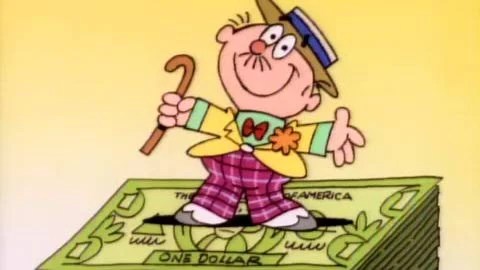
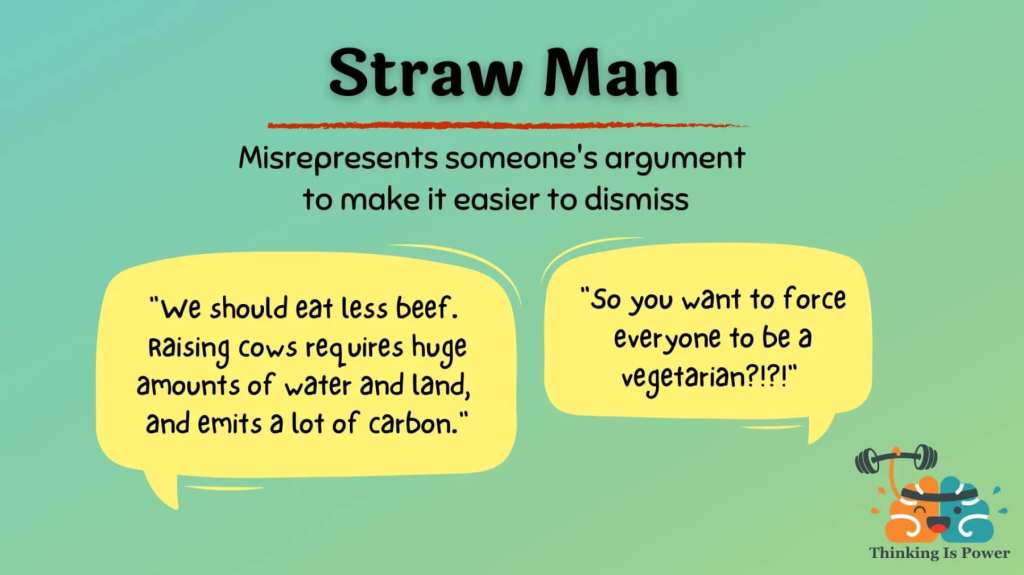



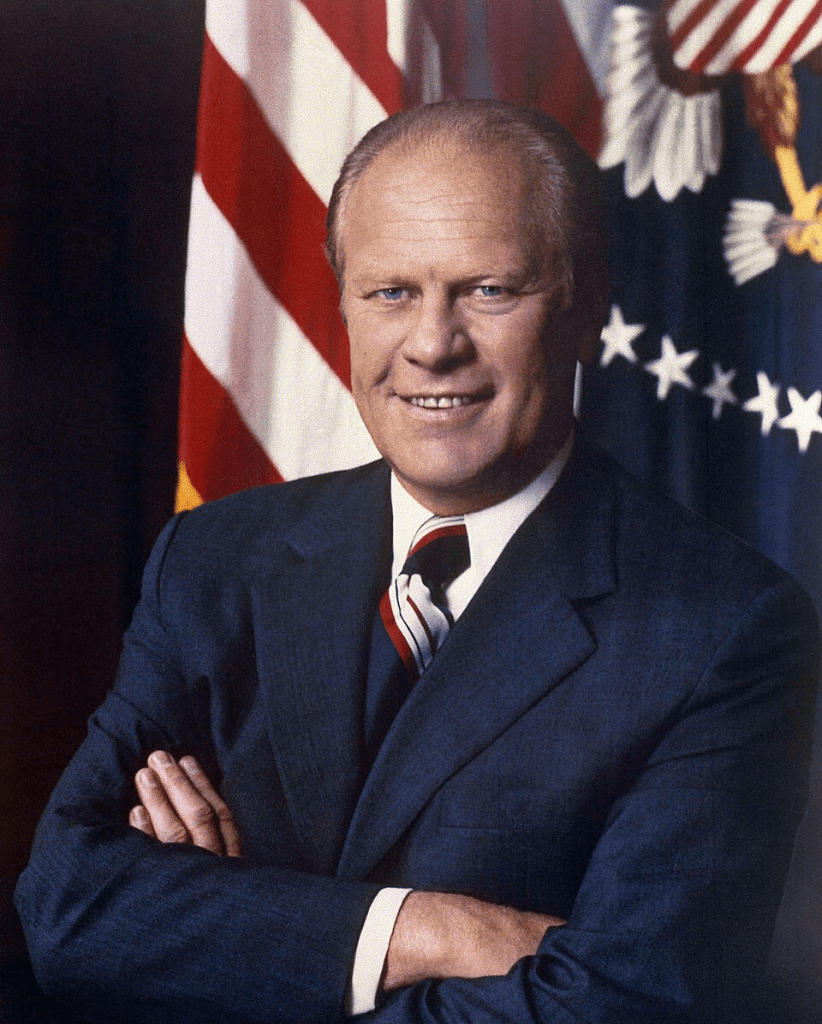
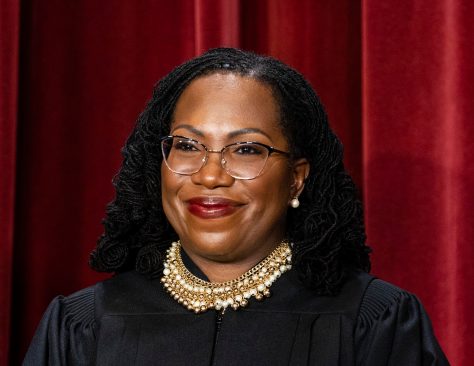
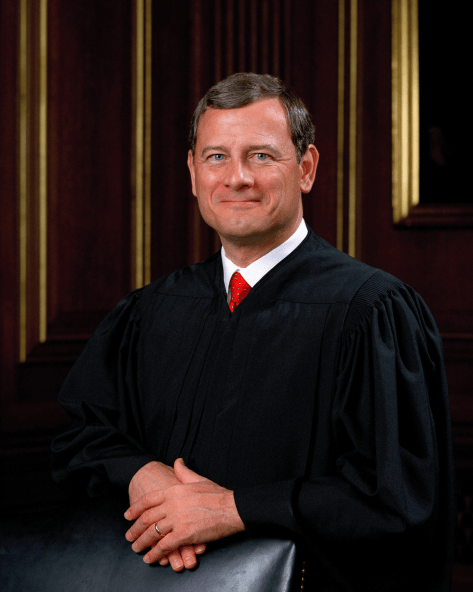

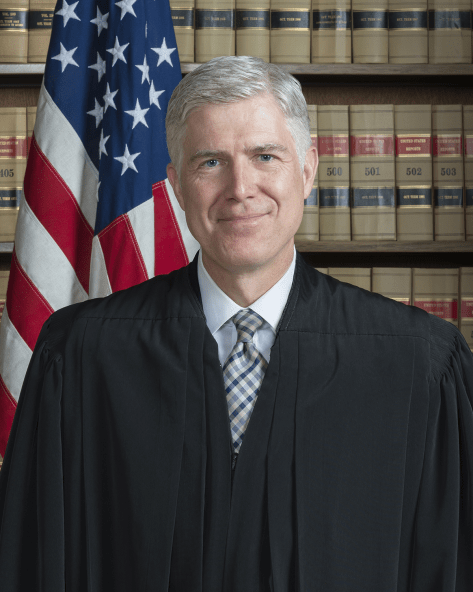


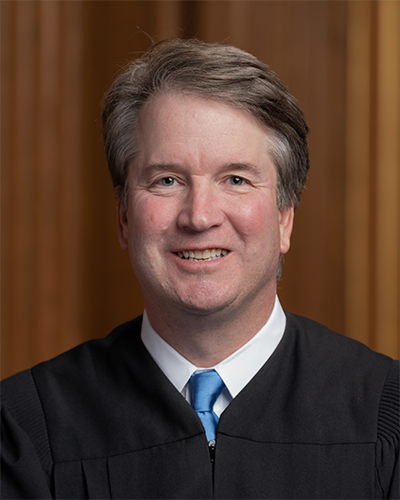
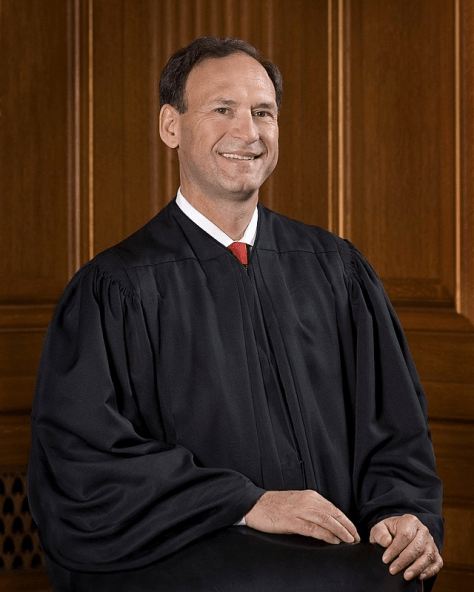


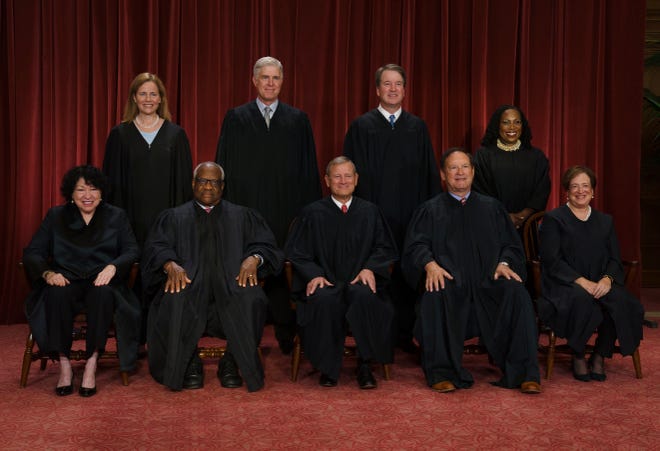
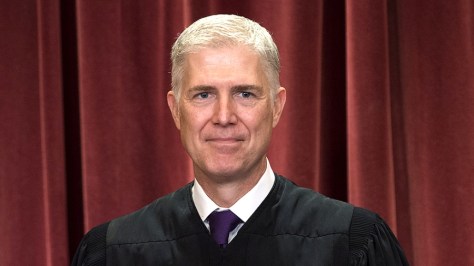





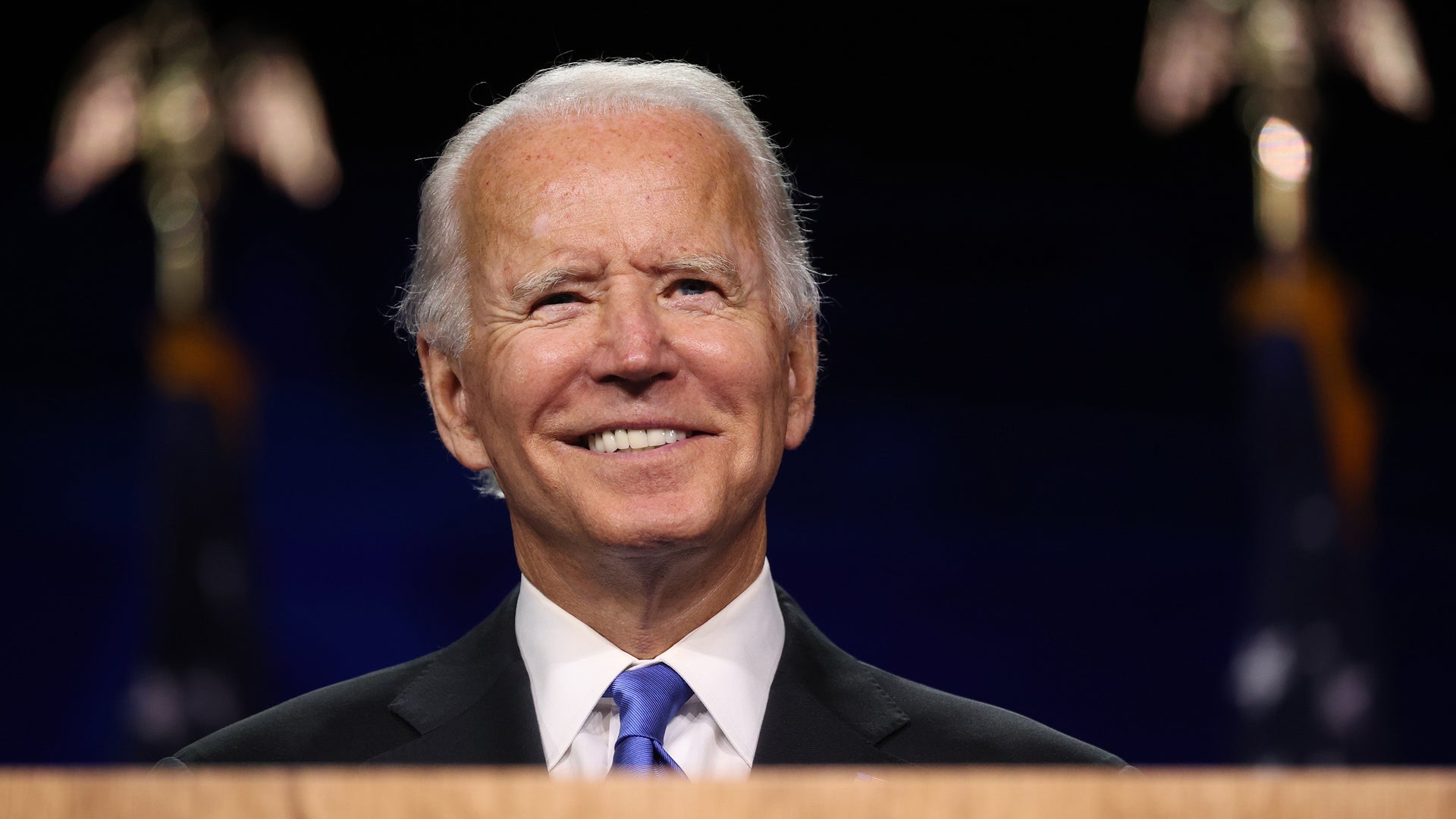


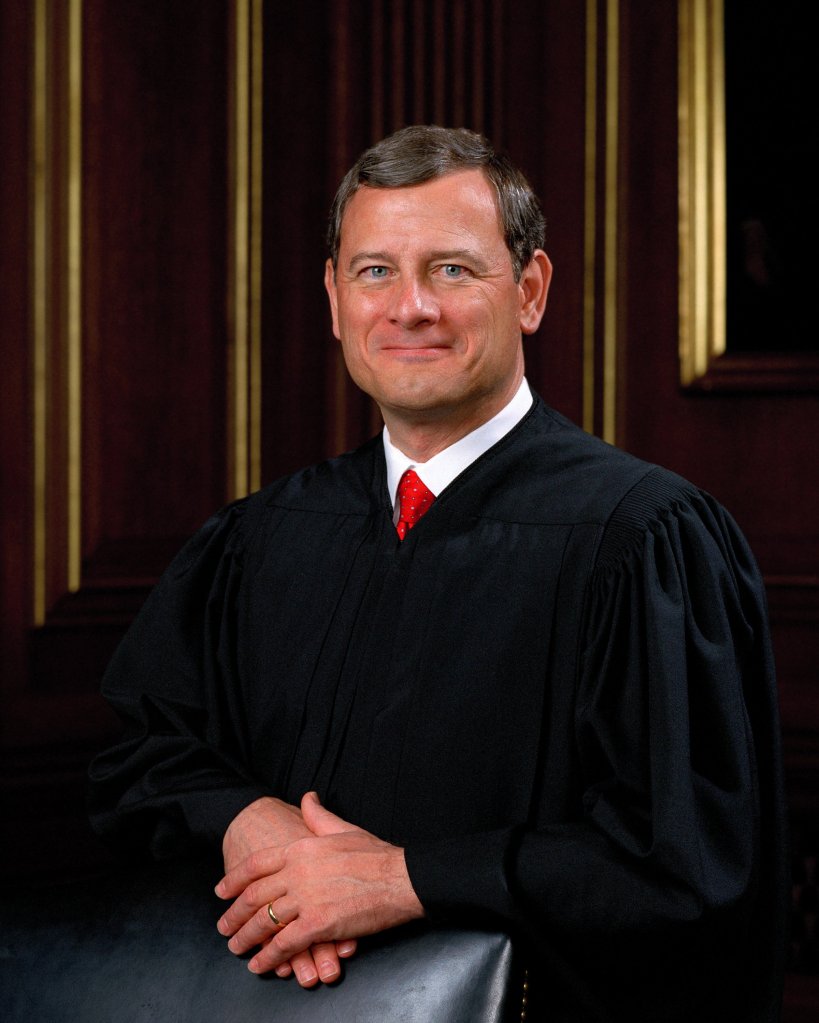





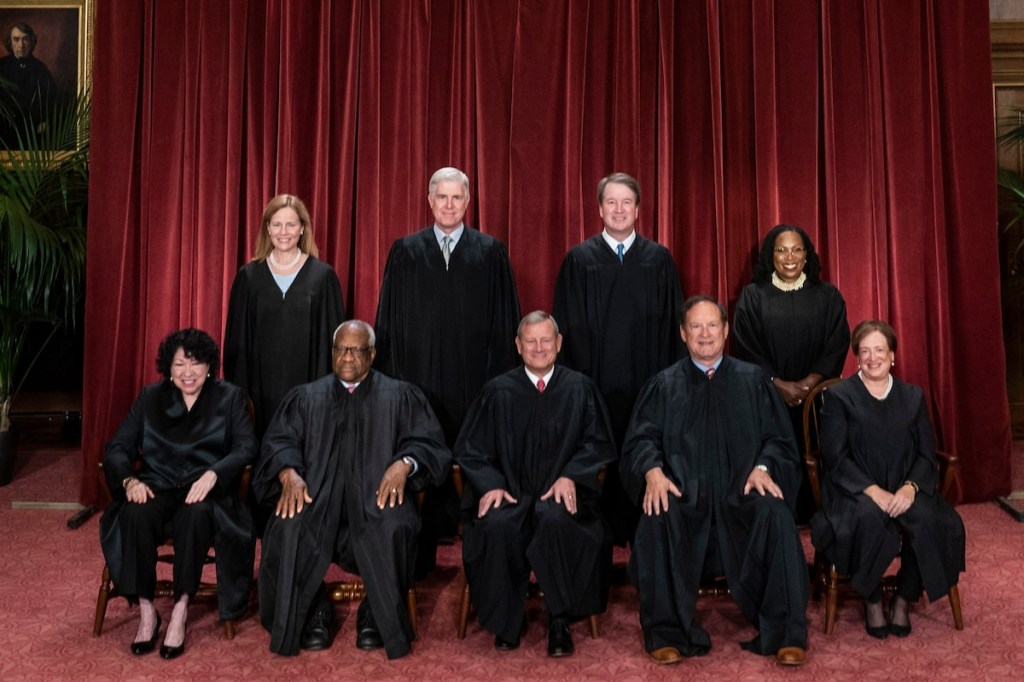
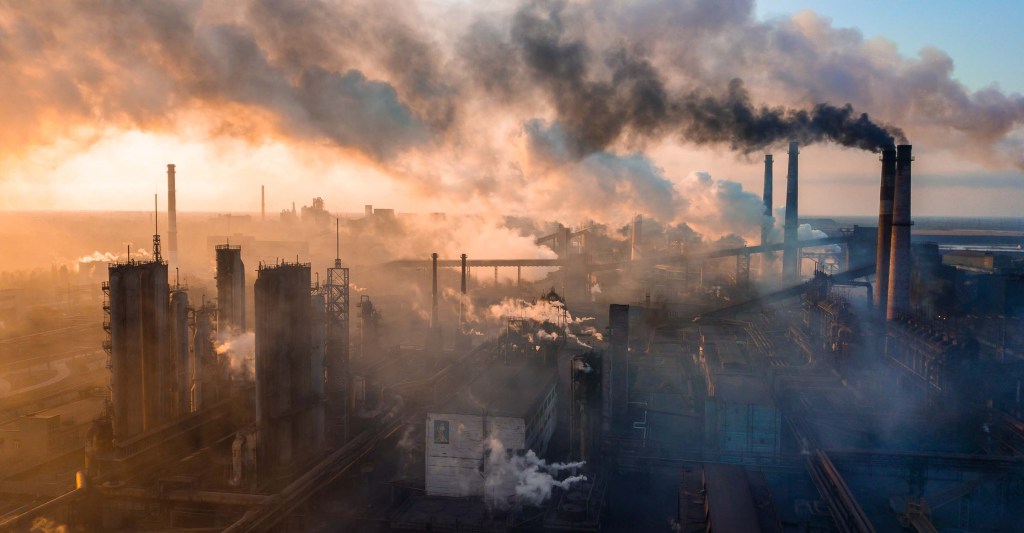


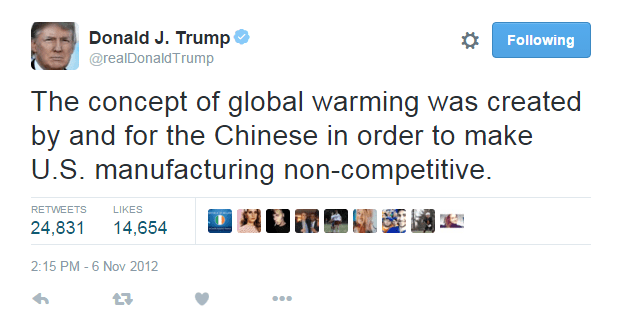




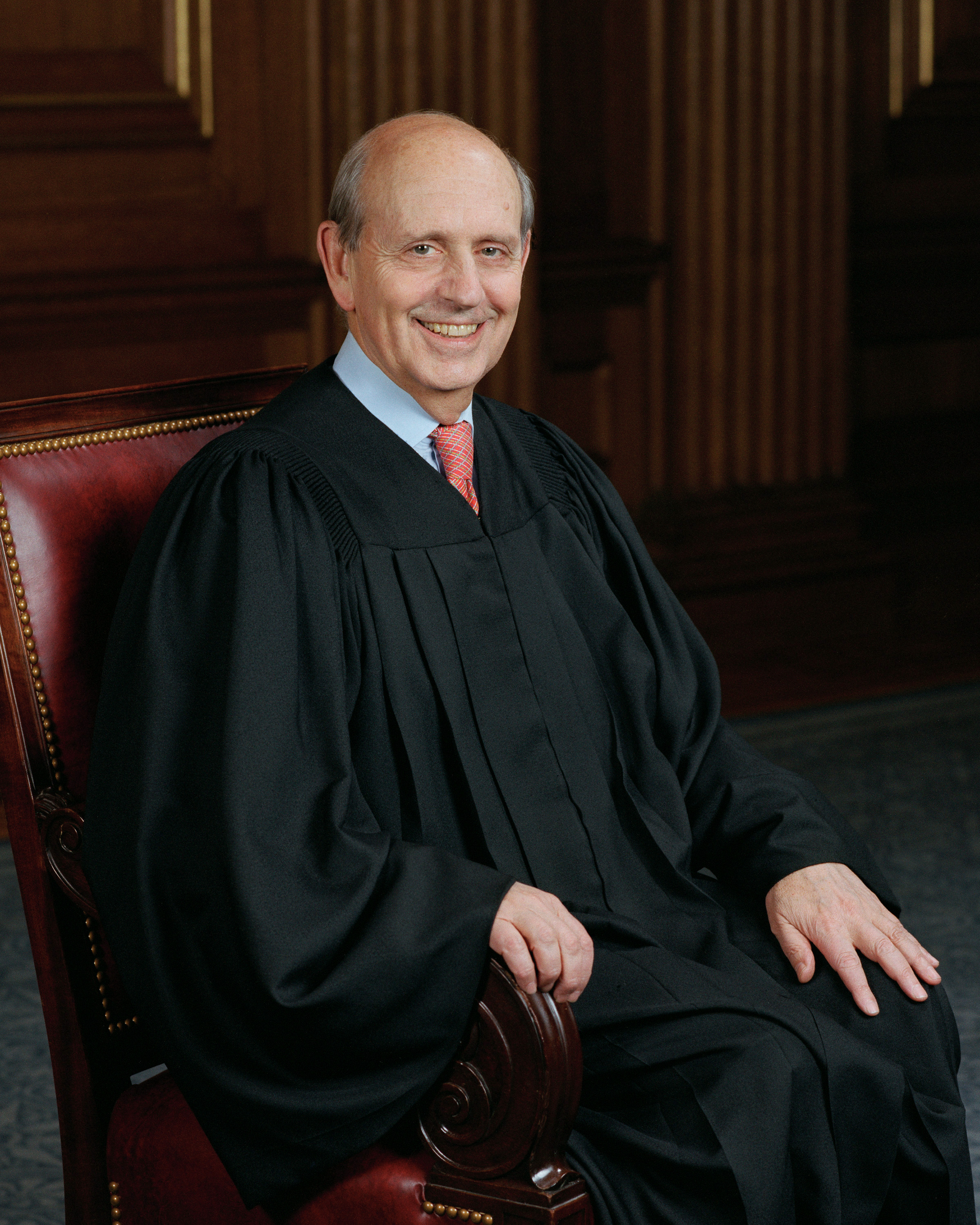


 The Logical Libertarian™