In case you’ve been under a rock, we have this president who loves tariffs. I don’t mean he thinks they’re good. I mean, he is actively trying to figure out how he could stick his Anthony Wiener in tariffs and make little orange tariff babies—it’s unsettling.
Here’s the issue, tariffs are a tax on goods, under another name. The only thing making them different is unlike a sales tax that applies to everything except tax exempt stuff, and are applied at the point of sale, tariffs only apply to foreign goods, and the tax is applied at the point of import.
Tax Man Max from Schoolhouse Rock
With that in mind, I’ll take you back to grade school government. Who has the power to levy taxes? Not the fucking president, that’s who. There’s this group of 535 assholes (subject to change) we call congress—that’s their bag, baby.
Despite the fact that the GOP control the Senate and the House of Representatives, Trump refuses to work to get congress to enact such tariffs—he’s decided he must do it himself by fiat.
Trump, not certain whether he’s a fucking king or not, decided to figure out if there was some law, any law, that would give him the power to impose tariffs at will, and he fell on The International Emergency Economic Powers Act (IEEPA).
This law essentially says, if the president declares there to be an emergency, he has certain powers to deal with that emergency. The phrase in the statute he relies on to impose tariffs says:
The President may regulate importation or exportation of any property in which any foreign country or a national thereof has any interest.
I won’t go into how stupid this is, but suffice it to say, I have a trade deficit with Walmart. Not because they’re taking advantage of me and creating an emergency, they just have more things I want from them, than they want from me.
This is a global economy, and trade deficits are a natural part of it. They’re certainly not a fucking emergency. Not to mention, this was often done because someone from that country annoyed him. To argue he was somehow methodical and precise in this, would be ridiculous.
So, anyway, the folks at Learning Resources, Inc. buy some shit to sell here in the US that comes from lands far far away, and Trump’s tariffs are making it hard for them to stay profitable. So they dusted off their copy of IEEPA, and were like, “I don’t see the word tariff in this mother fucker anywhere.”
And with that, they decided to challenge our Tariffer-In-Chief for enacting tariffs they believe he does not have the power to enact. They argue that the major questions doctrine (remember that from cases like Loper Bright?) should certainly apply here—that these tariffs affect a shit ton of folks, and it’s a power the president wasn’t explicitly given. Therefore, fuck that asshole.
As per usual, a lower court decided against Trump. Also, as per usual, Trump got his wittle feewings hurt, and appealed. I told you, he really wants to have a little orange tariff baby—he ain’t fucking around.
So off we go to SCOTUS, and to see if they’ll give him an unearned victory.
The Arguments: Team Trump
First up, we have the tender strains of John “Gravel Voice” Sauer. I don’t mean to pick on the guy, but I think him and RFK Jr. went to the same vocal coach.
John Sauer
Mr. Chief Justice, and may it please the Court: On April 2, President Trump determined that our exploding trade deficits had brought us to the brink of an economic and national security catastrophe. He further pronounced that the traffic of fentanyl and other opioids into our country has created a public health crisis, taking hundreds of thousands of American lives. President Trump has declared that these emergencies are country-killing and not sustainable, that they threaten the bedrock of our national and economic security, and that fixing them will make America strong, financially viable, and a respected country again.
Counsel John Sauer
Due to IEEPA tariffs, President Trump has negotiated agreements worth trillions of dollars with major trading partners, including most recently China. Unwinding those agreements, he warns, would expose us to ruthless trade retaliation by far more aggressive countries and drive America from strength to failure, with ruinous economic and national security consequences. In Dames & Moore against Reagan, this Court held that IEEPA’s sweeping and unqualified language grants the President’s actions the strongest presumption of validity and the widest latitude of judicial interpretation. Yet plaintiffs argue that tariffs, IEEPA’s least blunt and most nimble tool, are virtually the only tool that Congress did not grant the President to deal with foreign emergencies. That is wrong. The phrase “regulate importation” plainly embraces tariffs, which are among the most traditional and direct methods of regulating importation. And plaintiffs concede that IEEPA authorizes quotas and other tariff equivalents. The major questions doctrine does not apply here. IEEPA confers major powers to address major problems on the President, who is perhaps the most major actor in the realm of foreign affairs. And the nondelegation doctrine casts no doubt on IEEPA because Congress may assign the President broad authority regarding the conduct of foreign affairs, where he enjoys his own inherent Article II powers. I welcome the Court’s questions.
So he begins with a “ends justify the means” statement. That’s not how any of this works, when it comes to presidential powers.
Then, his tactic is to argue some perceived success of Trump’s tariffs, as if that’s justification. He’s taking a marketing approach to lawyering. Novel, but seems stupid.
Anyway…Sauer picks a tenuous argument that somehow, IEEPA giving the president the power to regulate importation should be meant to include tariffs. This is a stretch, but we’ve been here before with Sauer and Trump in the presidential immunity case, where I thought his arguments looked like trash, and yet that fucker won.
It’s worth noting, he used a pretty logically fallacious argument, saying that somehow the other side is saying that the only tool not available to Trump is tariffs. They absolutely did not say that. Quite the strawman he built there.
He also argues somehow that tariffs are the least harmful way to regulate trade, as opposed to bans or embargos. But that’s also just him giving an unsubstantiated opinion.
There are an infinite number of ideas the Trumpster Fire could have come up with to regulate trade. That’s how new ideas work. Most of them were potentially open to him. So the idea that tariffs were the only tool, is absolutely ridiculous. Even if Trump isn’t exactly a creative genius, he has people around him who could have come up with something new.
Justice Thomas the elder chimed in and asked how the major questions doctrine doesn’t apply here.
Associate Justice Clarence Thomas
He first started by arguing that congress certainly inferred a president to have some major authority on certain issues, apparently setting the stage for why they inferred this major issue to him.
This SCOTUS has almost always struck shit down for “major questions doctrine” reasons in the past. So Sauer attempting to short circuit that philosophy seems ill advised.
He then went on to say that congress infers such major powers, but “keeps an eye on that shit” just in case.
He argued some how, The Constitution’s Article II powers over foreign affairs often give him such massive authority.
What the fuck? Is he stoned?
Before he could get to his next point, Justice Kagan chimed in and was like, “Bro, do you have a single example here? Taxation is an Article I power delegated to Congress, and tariffs are part of that shit. So what article II power is so fucking huge, that you think it justifies him taking Article I powers away from Congress? Are you fucking mad?”
He tried to argue that if shit were all cool and the gang with these foreign entities we trade with, IEEPA wouldn’t apply. But somehow because Trump decided trade deficits were an emergency, he can then use said declaration to do something about that shit, because he has constitutional authority over foreign affairs.
Ballsy!
He went on to say, and I’m not making this shit up…
We don’t contend that what’s being exercised here is the power to tax. It’s the power to regulate foreign commerce. These are regulatory tariffs. They are not revenue-raising tariffs. The fact that they raise revenue is only incidental.
Sauer has balls the size of Jupiter to look at these nine justices dead in the eye, and bold-faced bullshit them.
Justice Sotomayor, wholly unimpressed with Sauer’s argument, chimed in with what is essentially, “Are you fucking nuts?” The power to tax resides with congress. So you argue tariffs are not a tax to circumvent that. But clearly, it’s a fucking tax. It raises revenue for the government, for fuck’s sake.
She then went on to questions his “it’s regulatory” claim. She’s like, “You’re raising revenue, man. If you wanted to limit goods coming from China, you just fucking limit them with quotas or an embargo. Your dumb fucking boss is the one who decided to make revenue off of it.”
Official Portrait of United States Supreme Court Justice Sonia Sotomayor Click for Biography
She also blasted Sauer on the notion that somehow the president just arbitrarily deciding something is an emergency doesn’t all of a sudden give him new powers to enact sweeping taxes. Otherwise, every fucking president would be doing that shit.
Sauer, answering the major questions doctrine point first, somehow felt his iron clad defense was that the court had never applied the major questions doctrine to foreign policy. That’s it. That’s his brilliant fucking response. We’re talking about a tax, which he know kills his whole claim, so he’s trying his level best to reframe it as a foreign policy issue.
Sotomayor decided to hit him with the ole hypothetical. She’s like, “So Biden could have just declared that student loan debt was an emergency, and then slapped a tariff on foreign oil to pay for it? He’s declared an emergency, and it would have went against foreign goods?
Sauer stammered a bit without getting to an answer before Sotomayor, still like a dog with a bone, was like, “I can point to at least 16 fucking laws here where congress wrote in the word tariff or tax into a law when they wanted that to be an option. But they didn’t in IEEPA. So what logic do you have to suggest that they inferred it here when they didn’t explicitly write it in.”
Sauer pointed to a different case (Algonquin) where the court allowed then president Gerald Ford to set licensing fees on foreign goods if the secretary of the treasury argued that a country was importing so much of something that it created a national security issue. This relied on section 232(b) of the Trade Expansion Act of 1974 (TEA). They were concerned about oil imports, specifically.
38th President of the United States – Gerald Ford
But the Algonquin opinion was a narrow ruling, and they even stated that allowing this specific thing shouldn’t lead future courts to give license to the president to do similar shit.
They allowed this because the specific law in question delegated quite specifically, the power to the president to regulate the import of these goods, which they felt must include tariffs, licenses, etc.
Frankly, this is so far the only good argument I’ve heard from Sauer, and it’s still a little sketchy because the court literally said they should not consider this ruling to allow broader presidential authority, which is exactly what Sauer is doing here.
Also worth noting, the Trade Expansion Act of 1962 (TEA) they’re citing, during peacetime, requires the Secretary of Commerce to do a formal investigation and show a national security risk, before the president can impose fees on those goods.
Trump has used this law to put tariffs on steel, aluminum, and oil before, so he has relied on it as well as IEEPA he’s using now. However, many of the tariffs Trump has imposed are political in nature, and therefore wouldn’t fall under TEA, if you were wondering.
Justice Jackson took issue with Sauer wanting to compare the Trading With The Enemy Act (TWEA)’s interpretation to IEEPA.
Associate Justice Ketanji Brown Jackson
Congress enacted this legislation (IEEPA) with the intent of preventing the President from having unlimited powers in this area, and you’re asking us to now interpret that statute consistent with an understanding that Congress wanted to allow the President to do pretty much whatever he wanted in this area.
You see, TWEA was passed in 1917—WW1 times, but as time went on, congress felt it gave the president too much power. So IEEPA, passed in 1977, was meant to restrain some of that, and better define what the president could and could not do during an economic emergency.
Sauer argued that the phrase “regulate importation” must carry with it, the power to impose tariffs. He also places a lot of weight that the duty is due “at the border” as if to say, it’s not a tax on the people, because it occurs at the border, not within the border. Hint: That’s not a thing.
Justice Barrett was next to hit Sauer with a question. She kept it simple. She asked:
General Sauer, can I just ask you a question? Can you point to any other place in the Code or any other time in history where that phrase together, “regulate importation,” has been used to confer tariff -imposing authority?
Associate Justice Amy Coney Barrett
Sauer really stumbled on this one, as he could only cite the court’s rulings on Algonquin, and similar instances, but not where Congress specifically conferred this power with the “regulate importation” text.
After citing precedents several times, even Sotomayor had had enough, and point blank asked him:
Could you just answer the Justice’s question?
But all he had was unrelated precedents. He kept arguing that foreign tariffs are regulating imports, as if somehow he can’t believe they don’t understand that.
Again, IEEPA (1977) amended TWEA (1917). As you might imagine from the name, this was about a president, during war time, being able to ban imports from someone who’s our enemy. But then in 1933, FDR got it amended to broaden it from “only during war time” to “during any national emergency.” Let’s just say, presidents abused that shit, so IEEPA was formed to reign it back in. This was what Justice Jackson was complaining about above.
So congress did a little “copy and paste” shit with TWEA to IEEPA. To that point, counsel Sauer argued:
Let me put it this way: You look at all nine verbs together and you’re looking at a spectrum of powers from the most sort of negative, “nullify,” “block,” “prohibit,” “void,” to the most affirmative, “direct,” “compel,” and then also powers in between that are more intermediate, “regulate,” “investigate,” and so forth. So the natural common -sense inference from that grammatical structure is the intention of Congress to sort of cover the waterfront.
So his argument is that because congress used that same language in IEEPA, surely they still meant for the president to be able to impose tariffs, and with all the negative, position, and ambiguous words, he can’t see how tariffs aren’t just a part of that.
But in response to this, Justice Kagan said:
Well, possible, General, possible, except Congress did take out a whole bunch of verbs. It took out “confiscate,” “vest,” “hold,” “use,” “administer,” “liquidate,” “sell,” which were in the prior statute. And crucially, what it doesn’t have here is anything that refers to raising revenue. So it has a lot of verbs. It has a lot of actions that can be taken under this statute. It just doesn’t have the one you want.
Justice Sotomayor chimed in with:
Official Portrait of United States Supreme Court Justice Sonia Sotomayor Click for Biography
I’m sorry, counsel, it doesn’t say “regulate tariffs.” It says “regulate importations and exportations.” You agree that they can’t put tariffs or taxes on exportations constitutionally?
He agreed.
So she was like, “Then why the fuck should we assume it means to confer the power to tariff imports?”
Again, his only argument is that regulating imports must include the power to tariff.
Sotomayor, still skeptical asked:
Why is it that Congress has always used “regulate” and “tax” together in the Code? Are you telling us that with respect to its use of “regulate” in other statutes, the taxing reference is superfluous? They didn’t need to do that?
His argument was that going back to TWEA and it’s power to tariff, there’s pedigree here.
But IEEPA replaced TWEA because TWEA was being abused. They were literally reigning in presidential power. So by what logic would such a huge power like tariffs somehow be casually left in place, even though they didn’t put that language in there?
Justice Roberts really hammered Sauer on the idea that tariffs are taxes, and it seems pretty sketch that congress just gave that away to the president, when IEEPA was intended to reign in presidents.
And all this is somehow based on the idea that imposing tariffs is the main way of regulating imports? It’s just not. There’s embargos, quotas, product bans, and any new shit the president could think up. Sauer’s argument that tariffs is the only way, is pretty ridiculous.
Sauer argued that revenue raising was just “incidental.” That the goal, is to get people to stop buying foreign goods and only buy American. In that case, no revenue would be raised, making these tariffs regulatory.
Justice Sotomayor jumped in and asked, “if that’s your fucking goal, then why the fuck didn’t that orange prick just bar importations altogether. If that’s his fucking goal, embargos and bans are much more effective than tariffs. It literally fixes the problem overnight.”
Justice Jackson then pointed out that TWEA, via a senate report, explained that it was trying to control or freeze property transactions where a foreign interest was involved. It didn’t say a fucking thing about raising revenue. She also points out that this was a wartime provision, to prevent trading with an enemy country. How the fuck then, does this justify tariffs on our friends?
Sauer again reiterated it wasn’t about raising revenue, even though that’s all Trump talks about it being for. Then went on to say, that quotas are basically the same as tariffs, which they’re certainly fucking not. I think his tactic of assuming the justices are morons isn’t going to favor him here.
If I may riff on this a bit. He keeps arguing quotas were part of the language, and they're similar to tariffs, so he doesn't see the harm. This is stupid. quotas just limit amounts of goods that can come in. Tariffs add taxes to goods that are paid by the American people. The idea that Sauer and other Trump cronies refuse to acknowledge that, is insultingly stupid.
Up to now, most of the arguments were statutory. Meaning, does the IEEPA statute give the president the power to enact tariffs?
But justice Kagan then moved on to a constitutional question about whether congress can delegate it’s power to tax to congress.
Associate Justice Elena Kagan
This is sometimes referred to as the nondelegation doctrine. A philosophic principle that basically says congress cannot give away it’s powers to the president, without clear guidelines.
Sauer and Kagan had quite the lengthy exchange here, but ultimately he relies on the idea that this is merely about foreign affairs, not taxation. Again, hitting the ole, “It’s a regulatory tariff, not a tax” argument.
Next up was Justice Gorsuch. I’m just gonna say this now, I think he takes the major questions doctrine, and the nondelegation doctrine pretty damn seriously. He launched into a very polite tirade, which included this…
What would prohibit Congress from just abdicating all responsibility to regulate foreign commerce, for that matter, declare war, to the President?
Sauer responded that he didn’t think they could do that, and Gorsuch literally just responded, “Why not?”
He’s not wrong. That’s kinda Sauer’s argument.
Sauer tried to go back to IEEPA and it’s “limitations” which are kinda a joke. He’s talking about how the president has to declare an emergency first, and shit like that. But the executive branch controls that, so there’s no real guardrails on that shit. The president can just call it an emergency for whatever reason they want, and they’re off to the races. There’s no limits on how much he could tariff, as evidenced by his 100%+ tariffs he hammered on some countries, nor is there a limit to how long the tariffs can be in place, in IEEPA, remember, tariffs aren’t mentioned at all.
So it’s a pretty ridiculous argument from Sauer, which he also made with Justice Sotomayor, who pointed out that there’s nothing really stopping the president from declaring an emergency.
But Gorsuch nipped that shit in the bud. He responded…
I’m not asking about the statute. General. I’m asking for your theory of the Constitution and why the major questions and nondelegation, what bite it would have in that case.
He wants to know if congress has that right to delegate such power at all in any statute. This is a swing for the fences on the nondelegation clause, which basically says Congress can’t delegate it’s constitutional powers at all.
Gorsuch then asked:
You’re saying there’s inherent authority in foreign affairs, all foreign affairs, so regulate commerce, duties, tariffs, and war. It’s inherent authority all the way down, you say. Fine. Congress decides tomorrow, well, we’re tired of this legislating business. We’re just going to hand it all off to the President. What would stop Congress from doing that?
Associate Justice Neil Gorsuch
Counsel Sauer argued that this would be too far. That congress can delegate within certain parameters, they can’t just give it away entirely.
Gorsuch then asked:
Okay. You emphasize that Congress can always take back its powers. You mentioned that a couple of times. But don’t we have a serious retrieval problem here because, once Congress delegates by a bare majority and the President signs it—and, of course, every president will sign a law that gives him more authority—Congress can’t take that back without a super majority. And even—you know, even then, it’s going to be veto-proof. What president’s ever going to give that power back? A pretty rare president. So how should that inform our view of delegations and major questions?
The reason justice Gorsuch argues they’d need a super majority, is because presidents love power. Any attempt to change the law, even if it passed the house and senate, would likely get vetoed by any president who wanted to exploit it. So there would then need a super majority to overcome a presidential veto if congress tried to take back some of IEEPA’s delegated powers.
Gorsuch is playing 3D chess over here.
Sauer conceded this point, but essentially argued it’s not impossible. Especially if the sitting president agrees with the change they’re trying to make, even at the expense of their own power. He cites in 2023 where congress ended the 2020 declaration from Trump that COVID was an emergency, and Biden signed it.
It’s not a horrid example, but it’s not a great one, either. COVID was no longer a pandemic, and if Biden had tried to exercise some huge authority to combat COVID at that point, it would have been political suicide. So no reason not to let that one go, from Biden’s perspective.
Gorsuch snuck in another principle on him when he asked if all tariffs were foreign affairs. I think the heart of this question is to determine if there’s some conflict between a president’s job in foreign affairs versus congress’ job in levying taxes.
Associate Justice Neil Gorsuch
Sauer agreed they largely are, while arguing that there’s a spectrum, so to speak, and that regulatory tariffs are more foreign affairs related, and revenue raising tariffs are more domestic policy, and that was the end of that.
Justice Kavanaugh wanted to know, why haven’t any other previous presidents, since IEEPA was enacted, used it for tariffs.
Counsel Sauer said they reviewed 69 emergencies. (Side note: I think Sauer just had a prop bet with his buddies at the firm to see if he could sneak in saying 69 during oral arguments.) None of them were really the kind of emergency a tariff would solve, in his estimation, as opposed to this trade deficit “emergency,” which seems well-suited for tariffs.
Justice Barrett asked Sauer to elaborate on Gorsuch’s question about getting power back. You see, the 2023 example was a case where COVID was clearly no longer an emergency, so Biden had no reason to continue it.
But in this case, Barrett is saying, if we had a president who was relying on IEEPA like President Trump is, surely you understand congress could never get him to sign a law banning him from using it the way he wants to use it, right?
He largely seemed to not want to argue against this, without conceding, since it doesn’t help him.
Then justice Barrett asked about why Trump needed to attach so many tariffs to so many countries, including many who are our friends like Spain and France.
Associate Justice Amy Coney Barrett
He answered by saying they’re so broad, because the emergency is so broad. He didn’t cite any data to support this, I guess we’re just supposed to take Trump’s word on it.
The Arguments: The Petitioners – Learning Resources Inc. (and other Private Parties)
Up next is Counsel Neal Kumar Katyal, who opened with this.
Thank you, Mr. Chief Justice, and may it please the Court: Tariffs are taxes. They take dollars from Americans’ pockets and deposit them in the U.S. Treasury. Our founders gave that taxing power to Congress alone. Yet, here, the President bypassed Congress and imposed one of the largest tax increases in our lifetimes.
Many doctrines explain why this is illegal, like the presumption that Congress speaks clearly when it imposes taxes and duties and the major questions doctrine.
But it comes down to common sense.
It’s simply implausible that in enacting IEEPA Congress handed the President the power to overhaul the entire tariff system and the American economy in the process, allowing him to set and reset tariffs on any and every product from any and every country at any and all times.
And, as Justices Gorsuch and Barrett just said, this is a one-way ratchet. We will never get this power back if the government wins this case. What president wouldn’t veto legislation to rein this power in and pull out the tariff power?
IEEPA is a sanction statute. It’s not a tax statute where Congress gave away the store. Congress knows exactly how to delegate its tariff powers. Every time for 238 years, it’s done so explicitly, always with real limits.
IEEPA looks nothing like those laws. It uses “regulate,” which Congress has used hundreds of times, never once to include tariffs. And it lacks the limits of every other tariff statute. And that is why, even though presidents have used IEEPA to impose economic sanctions thousands of times, no president in IEEPA’s 50-year lifetime has ever tried to impose tariffs.
Neal Kumar Katyal
And the President bypassed statutes that do address tariffs, like Section 122 for large and serious trade deficits, but that imposes a clear guardrail, 15 percent cap, 150-day limit. This is Youngstown at its lowest ebb. If the government wins, another president could declare a climate emergency and impose huge tariffs without fines without floors or ceilings, as Justice Gorsuch said. My friend’s answer?
This administration would declare it a hoax. The next president may not quite say that. This is an open-ended power to junk the tariff laws and is certainly not conveyed by the word “regulate.” I welcome the Court’s questions.
Justice Thomas asked about how embargoes are somehow OK, but tariffs aren’t.
Counsel Katyal advised that tariffs are taxes, they raise revenue. Embargos are a hard stop in trade altogether. Maybe they have similar goals, but very different actions.
Justice Roberts was up next, and asked about the fact that tariffs are foreign facing, and that foreign affairs is the purview of the president, not congress. So should they support Trump’s case here?
Counsel Katyal agreed with most of that, but stated that the constitution never gave the executive the power to raise revenue, even while at war. He then quoted Justice Robert Jackson from a 1952 case, Youngstown Sheet & Tube Company v. Sawyer, where President Truman, in order to fend of a labor union strike he felt would create a national emergency, attempted to seize control of the nation’s steel mills. In a 6-3 loss, Truman was advised to go fuck himself.
In that opinion, Justice Jackson said,
Emergency powers tend to kindle emergencies, so it’s essential the public may know the extent and limitations of the powers that can be asserted and persons affected may be informed from the statute of its rights and duties.
His point being, we can’t just let the president declare an emergency, and then citing that emergency, do whatever the fuck he wants. Otherwise, every president will declare everything an emergency, then do whatever the fuck they want. As an example? Donald J. Trump, and his bullshit “emergency” tariffs.
Justice Kavanaugh wanted to understand if Katyal agreed that if congress had specifically said the president could issue tariffs in IEEPA, that it’s constitutionally permissible.
Associate Justice Brett Kavanaugh
Counsel Katyal agreed, assuming there are limits that are clearly defined.
He didn’t agree that president could just put a 300% tariff on someone and call it an emergency, for fuck’s sake.
He pointed out that Trump imposed a 39% tariff on Switzerland, and not only are they an ally, they actually buy more goods from us than we do from them. So how the fuck does that make sense as a trade emergency?
Justice Alito, seeming skeptical of Katyal’s argument asked, “What if Congress told the president to regulate parks. A park is particularly busy. So could the president have them charge an admission fee to reduce visitor counts?
He said, if it raises a fee, then no. Congress needs to explicitly give him that power.
Alito then went on to show the power of logic has left him by asking an inane question. He asked, what if they’re not revenue raising tariffs? His example was, a tariff is enacted but not imposed until 90 days if the country doesn’t comply. So if they do, no tariff is collected.
How the fuck does that work? He’s asking if it’s OK as long as no one ever violates it? That’s fucking stupid. I hate to be disrespectful to Alito, I’ve been there where I couldn’t come up with a great example, but still, it’s a pretty nonsensical question.
Associate Justice Samuel Alito
Counsel Katyal pointed out that Trump’s brief, and statements publicly suggest it’d raise 4 trillion smackaroos. I’d call that revenue.
He went on to point out, that if the president is saying a trade imbalance is an emergency, then he can enforce quotas, which would be more precise than tariffs.
So I know you were thinking I was overreaching by saying Alito was getting inane in his arguments, but folks, he wasn’t done. He then asked this:
You say that these executive orders do not address an unusual and extraordinary threat. I understand that argument. Suppose that the facts were that there was an imminent threat of war, not a declared war but an imminent threat of war with a very powerful enemy whose economy was heavily dependent on U.S. trade. Could a president under this provision impose a tariff as a way of trying to stave off that war, or would you say, no, the president lacks that power under this provision?
What the fuck is he even talking about? How does this scenario make any sense? For the love of God, Alito is losing it. I don’t know if this is just him really trying to support Trump, or if he’s losing his marbles, but Alito is compromised, man.
How the fuck could it be that an enemy of the US is about to go to war with us, but they sell goods to us, and so we impose a tariff against them, and that somehow gets them to like us more and not start a war? For fuck’s sake, if this hypothetical were true, an embargo would be the only fucking lever you’d pull. This is insane, from Alito.
Katyal again pointed out that the things IEEPA specifically gives him the authority to do aren’t raising revenue, where tariffs do.
He then hit Alito with a compelling and accurate response, IMO. He said:
If you ruled for us and the president says, I need this power, he could go across the street to Congress tomorrow and get it by a simple majority through reconciliation. But, if you vote for them, this power, as Justice Gorsuch said, as Justice Barrett said, is going to be stuck with us forever.
Neal Kumar Katyal
He’s absolutely right here. Again, the president is unlikely to sign a statute congress passes, which takes power away he wants to exploit from him. So they’d need a veto-proof majority. Therefore, getting congress to give him that power explicitly, is the more logical path.
In a response to a question from Justice Thomas who wanted to know if the president could impose tariffs as a means of getting a country to free an American hostage.
Katyal said, “The President is seeking the power to set aside all of our trade treaties unilaterally under the word “regulate.” I just don’t think it can bear that weight.”
Justice Alito went on to ask about other statutes that authorize tariffs, seemingly addressing the constitutional issue. But Katyal responded:
That’s something that can be decided by other courts at other times. As these folks come to the Court, as the government comes to the Court today, they’re citing one statute and one statute only, IEEPA, and we submit to you it doesn’t come even close to authorizing these worldwide tariffs that they’re seeking today.
This suggests he’s not really raising the constitutional nondelegation issue at all.
In a particularly feisty exchange with Justice Kavanaugh about previous times presidents imposed tariffs, Katyal points out that in all those other instances, the statutes which gave the president the authority to impose tariffs, there were clearly outlined limitations. Essentially, that congress would never give the president the limitless power to tariff, and if they did, surely they’d say so. So the lack of limits suggest, they weren’t intending for the president to be able to do that, because they’re always worried about that fucker going crazy.
Associate Justice Brett Kavanaugh
Justice Barrett asked if he agreed, since licensing is outlined in IEEPA, could the president impost a licensing fee?
Counsel Katyal said:
Not a fee. So I should have said this earlier, but license is different from a licensing fee. IEEPA and TWEA authorize licenses, not license fees. And no president has ever charged, to my knowledge, fees under those two statutes for the licenses. So fee is impermissible. License is okay.
He then again specified that if there was a licensing fee to cover costs of the licensing, that might be OK, because it’s not revenue raising. But Trump pointed out he expects the tariffs to raise 4 trillion dollars.
Justice Barrett asked about refunds, if Katyal were to win, of all the tariffs already collected.
When this case started, Katyal’s side asked for an injunction on the tariffs, because if Katyal’s side wins, refunding those tariffs could be quite the fucking mess.
But the government responded like this.
They then said, that refunds would be easy-peasy if they lose, so no reason to put a pause on them.
But now that they’re here in court, they’re acting like the refunds would be a huge burden, and therefore that’s why they should win. So that’s surely hypocritical.
The Arguments: The Petitioners (The States)
Last up is Solicitor General for Oregon, Benjamin Gutman who simply opened by saying IEEPA licenses never were fees. It was just a way to carve an exemptions for humanitarian reasons, or something like that. Clearly not revenue raising.
So an argument you’ve heard from the president and his peeps, was also put forward by Justice Kavanaugh. He asked, how the fuck could it make sense that the president could launch an embargo, which shuts down trade entirely, but a 1% tariff is somehow a problem. Sure one is a more major act than the other.
Deputy Attorney General of Oregon, Benjamin Gutman
I’d argue that tariffs are taxes on the American people, embargos just stop the trade altogether. But it doesn’t inherently cost the people any money.
But Gutman just argued that there’s never been another time where “regulate” on it’s own, was used to justify tariffs. All other instances, they used language to suggest revenue-raising efforts were allowed.
He went on to clarify to Justices Kavanaugh, Kagan, and Jackson, who all asked the same question in a roundabout way, that the reason they are different, is that with tariffs, there’s something in it for the government. For embargos, there isn’t. Sure, maybe a 1% tariff is less impactful than an embargo, but still, the government doesn’t benefit from an embargo, and the president doesn’t now have a new source of revenue to potentially exploit.
Justice Jackson, seemingly arguing for SG Gutman instead of questioning him responded:
And it would make perfect sense, I think, in a time of emergency for many of the reasons that General Sauer pointed out that Congress would want the President to have the kind of authority that is imposed when you are embargoing things, when you are stopping the trade, when you are saying, you know, for emergency reasons we’re not letting any of this product come in. I mean, sure, that’s a big deal, but the nature of it makes sense in terms of an emergency. I think what you’re saying is that the idea that the government would use its authority to be raising revenues in this situation is a different kind of power.
Associate Justice Ketanji Brown Jackson
Gutman agreed.
Justice Kavanaugh, lacking imagination, again argued that it seems nonsensical that a president could do an embargo, but not a small tariff.
The problem with this argument, and the reason I say he lacks imagination, is that the law doesn’t just allow embargos. It allows licenses and quotas, too. So Kavanaugh is ignoring the other tools that are there, to make this ridiculous false dichotomy argument that it’s the nuclear option or nothing, when it absolutely isn’t.
Counsel Gutman agreed with me.
Justice Sotomayor took the gloves off and attacked the president’s pettiness by pointing out the 10% he put on Canada because it hurt his feelings that it ran an ad about tariffs, and a 40% tax on Brazil because they prosecuted a friend of his. So this is why those powers must be restrained.
The Arguments: Respondent’s Rebuttal
Counsel Sauer had one final chance to rebut the other two, and so he went on a long diatribe, talking about how the tariffs did bring some countries to the negotiating table, and therefore they achieved the goals of resolving the emergency Trump declared under IEEPA.
The problem with this, is again, it lacks imagination. Trump didn’t try an embargo, but I’m sure that would have worked as well. Trump didn’t try quotas, but that could have also been effective. Like Kavanaugh, he made a false dichotomy argument, as if somehow tariffs were the only effective option.
The Opinion of the Court
Alrighty, place your bets, folks.
And the winner is…drumroll…Learning Resources Inc. et al., thanks to Justices Roberts, Kagan, Sotomayor, Barrett, Gorsuch, and Jackson.
So listen, there are no less than six fucking opinions on this ruling, and I’m not going to cover all of them entirely, but the one that matters is from the chief, himself.
He wrote:
Based on two words separated by 16 others in Section 1702(a)(1)(B) of IEEPA—“regulate” and “importation”—the President asserts the independent power to impose tariffs on imports from any country, of any product, at any rate, for any amount of time. Those words cannot bear such weight.
Chief Justice John Roberts
He argues that the tariffs Trump imposed were so limitless, that clearly a tacit reference to regulate imports couldn’t have allowed for something so impactful, especially during peacetime.
He continued that SCOTUS rarely allows the president to exercise power that isn’t explicitly and clearly granted to him by statute. He also reiterates Katyal’s argument that when congress does give such powers to the president, it does so with limits and guidelines—certainly not just saying the executive can regulate imports, and nothing else.
He then wrote:
Against this backdrop of clear and limited delegations, the Government reads IEEPA to give the President power to unilaterally impose unbounded tariffs.
On this reading, moreover, the President is unconstrained by the significant procedural limitations in other tariff statutes and free to issue a dizzying array of modifications at will. All it takes to unlock that extraordinary power is a Presidential declaration of emergency, which the Government asserts is unreviewable. And the only way of restraining the exercise of that power is a veto-proof majority in Congress.
That view, if credited, would represent a transformative expansion of the President’s authority over tariff policy, and indeed—as demonstrated by the exercise of that authority in this case—over the broader economy as well.
It would replace the longstanding executive-legislative collaboration over trade policy with unchecked Presidential policymaking. Congress seldom effects such sea changes through “vague language.”
Justice Roberts also cited that there was no other time IEEPA was used to impose tariffs, as was discussed at length during oral arguments, and pointed to other statutes that had been used by presidents to impose tariffs. I believe he was pointing out that other statutes have limits, guardrails, etc., which is the likely reason Trump didn’t use them—he wants the power to change them on whims.
He also argued that the sheer magnitude of what Trump had done, should give the courts pause. They should really consider whether congress clearly meant to infer such power. Since it’s not even mentioned IEEPA—safe to say they didn’t.
2025-2026 Supreme Court of the United States
He then addressed the “emergencies beget emergencies” concern, with which he agreed.
Trump’s side tried to argue that in times of emergency, the president needs broad sweeping powers to act. Instead, Justice Roberts suggested that in times of emergency, when the president is executing emergency powers, the courts should be increasingly skeptical, and require clear, inarguable authority powers were granted, not a single word, like “regulate,” that could just as easily be argued didn’t mean what the president says it means, such as in this case.
He then said, in a shot across the bow of Alito, Thomas, and Kavanaugh, who usually side with the major questions doctrine, but carved out an exception here:
There is no major questions exception to the major questions doctrine.
The dissent’s argument was that because the constitution gives the president dominion over foreign affairs, and tariffs are arguably foreign affairs, that somehow this means the major questions doctrine wouldn’t apply.
However, tariffs are paid for by American’s, no matter what Trump’s team tries to argue. Imported goods show up in America, and tariffs are paid for by the American companies who bought them, and then that expense is baked into the price that American consumers pay for them. So while there’s a foreign affairs component to it, the goal of tariffs isn’t to prevent people from exporting to the US, it’s to get Americans to stop buying imports, and that is not a foreign affairs issue, that’s a “government picking winners and losers in a free market” issue.
In his concurring, but separate opinion, Neil Gorsuch wrote this, and I think it’s so good, I’m going to post it without edit.
Associate Justice Neil Gorsuch
For those who think it important for the Nation to impose more tariffs, I understand that today’s decision will be disappointing.
All I can offer them is that most major decisions affecting the rights and responsibilities of the American people (including the duty to pay taxes and tariffs) are funneled through the legislative process for a reason.
Yes, legislating can be hard and take time. And, yes, it can be tempting to bypass Congress when some pressing problem arises. But the deliberative nature of the legislative process was the whole point of its design.
Through that process, the Nation can tap the combined wisdom of the people’s elected representatives, not just that of one faction or man. There, deliberation tempers impulse, and compromise hammers disagreements into workable solutions.
And because laws must earn such broad support to survive the legislative process, they tend to endure, allowing ordinary people to plan their lives in ways they cannot when the rules shift from day to day.
In all, the legislative process helps ensure each of us has a stake in the laws that govern us and in the Nation’s future. For some today, the weight of those virtues is apparent. For others, it may not seem so obvious.
But if history is any guide, the tables will turn and the day will come when those disappointed by today’s result will appreciate the legislative process for the bulwark of liberty it is.
I’m going to assume you’ve all heard of Miranda rights, correct?
It’s some version of this, depending on the state:
You have the right to remain silent.
Anything you say can and will be used against you in a court of law.
You have the right to an attorney.
If you cannot afford an attorney, one will be appointed for you before any questioning if you wish.
In the United States, the fifth amendment reads as follows:
Fifth Amendment
No person shall be held to answer for a capital, or otherwise infamous crime, unless on a presentment or indictment of a Grand Jury, except in cases arising in the land or naval forces, or in the Militia, when in actual service in time of War or public danger; nor shall any person be subject for the same offence to be twice put in jeopardy of life or limb; nor shall be compelled in any criminal case to be a witness against himself, nor be deprived of life, liberty, or property, without due process of law; nor shall private property be taken for public use, without just compensation.
Miranda addresses the part about not being compelled to be a witness against yourself. You see, back in 1963, Ernesto Miranda decided to kidnap a women, then put his dick some place it didn’t belong.
Ernesto Miranda
The police picked him up, questioned him for two hours, and eventually obtained a written confession from him. At no point however, did police tell Ernesto that he had a right to a lawyer.
So armed with the confession, Arizona prosecuted his ass—easily winning their case against him.
Miranda eventually obtained a lawyer, however, who decided that there should be a fucking rule that forces police to advise a person of their rights when they’re arrested. Without that, such confessions should be thrown out, as a lawyer may have advised their client to say or do something quite different from what they actually said and did.
Folks, remember four words if you’re ever being questioned by police: “SHUT THE FUCK UP!” That’s it. SHUT THE FUCK UP!
Ask for a lawyer, and say nothing, no matter what the situation is. Period. Always. Every fucking time. Got it?
It’s not that police are bad, but when you’re a hammer, everything looks like a nail. Police tend to feel like everyone they’re talking to is a bad actor. So on the off chance you might say something that makes them question your innocence, even when you are innocent, you could find yourself in a bad situation because you failed to SHUT THE FUCK UP.
Anyway, Miranda won at SCOTUS and his confession was thrown out, making his trial a mistrial. Since appellate victories don’t trigger the double jeopardy rule, Arizona tried Miranda again, without the confession, and still won.
So while Miranda changed US Law forever—helping innocent people not get railroaded by aggressive government tactics, that fucker was guilty as sin, and his SCOTUS victory didn’t help him one iota.
This is a law that says, if government violates your constitutional rights, you can fucking sue them for civil damages.
Miranda and code 1983 are what’s at issue here in this case.
Terence Tekoh was a low-level patient transporter at a Los Angeles hospital.
Terence Tekoh
A young lady was in the hospital, and at one point, under heavy sedation. During that time, she asserted that Tekoh channeled his inner Miranda and stuck a finger in her vagina while she was in the hospital.
The hospital called the fuzz, and Officer Carlos Vega showed up, questioned Tekoh for some time, without ever reading him his Miranda rights, and eventually Tekow wrote an apology for touching the patient inappropriately, which was deemed as a confession.
However, Tekoh was acquitted in his second trial after an initial mistrial.
I’m not sure how someone’s first hand testimony that he molested them wasn’t sufficient for a conviction, but I guess I have to trust the 12 angry men on this one.
Anyway, Tekoh, feeling like he won the lottery after his acquittal decided to double down and sue Officer Vega for violating his constitutional rights.
He argued that he didn’t vountarily talk with Vega, Vega pulled him aside, called him a bunch of racial slurs, threatened to deport his family, and a whole host of other shit, until he confessed.
I won’t bore you with the lower court shit, just know it made it to SCOTUS, and their question was, is Miranda a constitutional right, and if so, can Tekoh sue if he’s not Mirandized?
Let’s go to the arguments:
Roman Martinez
First up: Roman Martinez representing officer Vega.
He opened by arguing Miranda is simply a prophylactic rule designed to protect a person’s fifth amendment rights, and is not a right in and of itself. Just because you’re not mirandized, doesn’t necessarily mean your constitutional rights were violated.
He argues that while Miranda helps protect the fifth amendment rights of the individual, if some moron just blurts out a confession before officers mirandized them, you can’t fairly say the cops violated their constitutional rights and coerced a confession.
He argues that Vega merely took Tekoh’s statement. There was no evidence of coercion, courts and juries didn’t feel Vega did anything wrong, Tekoh just blurted out what he had done.
Justice Thomas was the first to chime in, since he has seniority and all. He asked about a previous case, Dickerson V. United States. So let’s discuss that for a minute.
Associate Justice Clarence Thomas
In that case, congress has passed 18 U.S. Code § 3501 – Admissibility of confessions. This statute came about after the Miranda case law was established, and was congress’ attempt to legislate away Miranda rights by saying voluntary confessions given before Miranda rights are given, should be admissible in court.
However, SCOTUS told congress to go pound sand with this shit, and the reason why is very important.
I know I go off on tangents—not even gonna apologize for that. Eat my entire ass if you don’t like it—I’m trying to learn y’all something.
The courts job is to interpret laws, regulations, executive orders, the constitution, and other case law. When they do this, it establishes new case law. But not all laws are on the same tier.
In the case of Miranda, they were interpreting the constitution. The case law they created in Miranda therefore is at the constitutional tier. Congress pass statutes, but they are on a lower tier to the constitution. So while congress could create new statutes to invalidate case law regarding a statute, they can’t write a statute invalidating case law over a constitutional principle, otherwise a law would be trumping the constitution. This is Dickerson in a nutshell. SCOTUS ruled in Dickerson, that congress cannot legislate away constitutional case law.
OK, done digressing, back to the case.
Justice Thomas wanted to know if Dickerson destroyed Vega’s case. If SCOTUS ruled that Miranda couldn’t be overruled solely by statute, then doesn’t that make Miranda a constitutional issue, and therefore qualify it as a constitutional violation?
But Counsel Martinez was like, “Nah, man. Miranda protects a constitutional right, but it isn’t a right in and of itself. It’s constitution-adjacent.”
Justice Roberts next asked:
Supreme Court of the United States Chief Justice John Roberts
John G. Roberts, Jr.
Mr. Martinez, if I could focus just for a minute on the language of the cause of action here, 1983.
It gives individuals a right against the deprivation of any rights, privileges, or immunities secured by the Constitution and laws. Now, under Miranda, you have a right not to have unwarned confessions admitted into evidence.
You wouldn’t have that right if it weren’t for the Constitution.
So why isn’t that right one secured by the Constitution?
Counsel Martinez responded, “Man, a rule to protect a constitutional right isn’t a constitutional right itself. Nowhere else does this occur, that some stupid-ass procedural rule that protects a constitutional right, all of a sudden becomes a constitutional right in and of itself.”
Justice Kagan was the next to chime in. She could not wrap her head around the argument that Miranda is there to ensure the 5th amendment rights are preserved, and that if a Miranda warning isn’t given, that somehow counsel argues that doesn’t necessarily mean his 5th amendment rights were violated.
Associate Justice Elena Kagan
Counsel Martinez suggested that just because Miranda wasn’t given, could it not be true that cops were having a discussion with him, and he admitted to what he had done in a moment of guilt?
That maybe he wanted to confess, even if he knew he didn’t have to answer their questions?
There’s no reason to assume his confession was coerced at all, without evidence of such. Therefore, his right not to self-incriminate doesn’t have to have been violated.
Justice Sotomayor asked:
Can you tell me why we’re here?
Simple question, but complex reason. She’s asking that Vega not Mirandizing him may have violated his Miranda rights, but it was the prosecutor and courts who chose to admit that confession who royally fucked Tekoh in the ass. So why sue Vega?
Martinez was like, “Fucking Vega lied to the prosecutor and the courts about this bullshit confession he obtained. That’s why we’re going after him. The prosecutor and judge were going on bad info from Vega!”
Next up is Vivek Suri. He’s representing the federal government under Biden, as an amicus, in support of Vega.
His opener was a short banger.
Vivek Suri
Mr. Chief Justice, and may it please the Court: Miranda recognized a constitutional right, but it’s a trial right concerning the exclusion of evidence at a criminal trial.
It isn’t a substantive right to receive the Miranda warnings themselves. A police officer who fails to provide the Miranda warnings accordingly doesn’t himself violate the constitutional right, and he also isn’t legally responsible for any violation that might occur later at the trial.
He’s basically saying, even if the cop fucked up and didn’t mirandize, the prosecutor brought the evidence in, and the judge allowed it. So why is Vega the asshole here?
Justice Thomas jumped in first again, and simply asked, what if the officer lies about what happened during the interrogation?
Vivek is largely arguing 1983 claims are about things that happen outside of trial. But things that happen during the trial, are generally not 1983 claims, such as ineffective counsel, or other poor actions by the judge and prosecutor.
Vivek essentially argues that the remedy for a Miranda claim, is just to throw out the testimony that was given before a baddie was mirandized. It’s not to make it rain cash on the poor sucker.
Last up is Paul Hoffman, representing Mr. Tekoh, AKA Goldfinger.
He’s arguing that Officer Vega’s account is bullshit. Tekoh did not just willingly give up this info. Vega threatened him with deportation and shit, until he confessed.
Vega then lied and suggested that Tekoh, out of the blue, was just like, “Hey man, I’m sorry, I fingered her without her consent. I’m an asshole. Totally my bad.” As if somehow, he didn’t even feel he needed to Mirandize him yet, but then Tekoh just dropped the dime on himself straight away.
Paul Hoffman
Problem for Hoffman, none of the fucking trials actually found, based on the evidence, that Vega did coerce Tekoh. It’s Tekoh’s story, but that’s it.
If Tekoh just blurted out his guilt willy nilly, Vega really didn’t do anything wrong. But Hoffman needs to prove that Vega threatened him with deportation and such, and he just doesn’t have any court findings or testimony to back that shit up.
Think of it like three steps. The use of an unMirandized statement is a violating of the fifth amendment. 1983 let’s you sue for damages if your rights are violated. If Vega lied and said the confession wasn’t coerced when it was in fact coerced, and that confession was admitted into evidence, than Tekoh’s constitutional rights were violated by Vega, and Vega should be rewarded with some 1983 dollars.
If Vega is telling the truth, and Tekoh just sang like a canary because he was feeling guilty, as Vega suggested at trial, then Vega didn’t coerce that confession, he’s just reporting what he heard Tekoh say.
Since Tekoh was exonerated, you might wonder what harm he is claiming. The confession didn’t help the government convict Tekoh. But Tekoh’s claiming that the fact his confession was used as evidence against him, led to him having to endure a trial at all, and therefore he was harmed.
Hoffman is arguing that Tekoh’s life and reputation were harmed by all this, and none of it would have happened, had Vega Mirandized him, instead of interrogating him. And that’s what 1983 is there for—violations just like this.
The opinion, written by Justice Alito, and joined by the other 5 Republican appointees, decided it didn’t give a fuck whether Vega lied or not. That Miranda is not a constitutional right, it is a prophylactic rule that merely protects a constitutional right. The remedy for a Miranda violation is the evidence not being allowed into trial. It isn’t 1983 dolla dolla bills y’all.
Essentially, he’s saying that because it’s possible Tekoh just blurted out his confession, and Vega was in earshot of it, which would be admissible in court, that this proves that not mirandizing someone isn’t always a fifth amendment violation.
He wrote:
A violation of Miranda does not necessarily constitute a violation of the Constitution, and therefore such a violation does not constitute “the deprivation of a right secured by the Constitution” which is necessary to secure a 42 U. S. C. §1983 claim.
So Tekoh can go fuck himself, instead of his patients—he’s lucky he was acquitted.
Justice Kagan wrote the dissent. I’ll summarize it this way. “If Miranda is required to protect someone’s 5th amendment rights, and a Miranda warning isn’t given, someone’s fifth amendment rights were fucking violated. Alito, respectfully, you’re a crusty old senile fuck, and you should retire.”
One of Trump’s most contentious policy issues has been tariffs. His argument is that the United States has trade deficits with many other nations, and that this is inherently problematic.
Here’s the issue: it’s not a problem. It never has been.
Think about this: you have a trade deficit with your grocery store. You probably buy from them all the time, but they don’t buy anything from you. Is that a problem? Of course not.
The United States is the largest economy in the world. We have trade deficits with other nations because we have more money to buy their goods than they have to buy ours. Additionally, their goods are often cheaper, while ours are relatively expensive. This is basic capitalism—money flows to those producing the best products at the best prices.
As a result, citizens of other countries—who generally have less disposable income than Americans—are unlikely to purchase U.S. goods even if they wanted to.
President Donald Trump
But let’s discuss problem-solving more broadly.
Imagine I gave you a math problem: 2+2. If you’re unfamiliar with math, you might think the problem is 2-2. If you don’t understand the addition symbol, you’ll never get the right answer. Accurately identifying the problem is essential for finding effective solutions—this is where Trump fails spectacularly.
Once we understand that the reason we don’t export more is that U.S. goods are too expensive compared to those from other countries—and recognize that Trump’s policies haven’t addressed this—it becomes clear that he isn’t solving the problem. In fact, he is likely making it worse, which is why so many economists are predicting a recession.
As president, Trump can influence U.S. policy but has limited power over other nations, aside from imposing tariffs.
This reflects a larger issue: a lack of self-awareness on a national scale. Trump and his supporters fail to consider that the problem may lie within the United States itself. They assume that American manufacturing is flawless and that other countries are taking advantage of us. This perspective is fundamentally flawed.
Global markets are capitalism at the highest level. Other countries are competing and winning because the U.S. is repeating past mistakes—allowing prices to rise due to poor policies, thereby pricing ourselves out of the market. People aren’t willing to pay Mercedes-Benz prices for Volkswagen-quality goods.
If Trump understood that the real issue is the cost of American goods, he would focus on reducing those costs. He could:
Tighten regulations on labor unions to prevent the artificial inflation of labor costs.
Collaborate with Congress to lower the U.S. corporate tax rate, which remains similar to other developed countries. Or better yet, eliminate it altogether. If we want to compete, let’s compete!
Address the restrictive regulatory environment by working with Congress to repeal unnecessary statutes that increase production costs.
Instruct his administration to repeal regulations that add cost without providing clear value.
U.S. Congress
These measures could significantly reduce the cost of U.S. goods. It’s worth noting that generally, no company wants to manufacture outside their home country. The language barriers, compliance costs, shipping challenges, etc., are all very problematic and costly. So improving the above points at home are what would encourage more investment in U.S. production—not just raising the cost of foreign goods.
Trump’s approach is to increase the cost of imported goods to make them comparable in price to U.S. products, under the assumption that this will boost domestic spending and investment. It won’t. Americans generally prefer U.S. goods but often can’t afford them. Raising the cost of alternatives won’t change that.
Companies won’t invest in the U.S. until we fix the issues that make it expensive to do business here, either.
In my experience working for an American professional tool company, we offered both domestically produced and imported tools. The U.S.-made sets often cost around $500+, while comparable sets from Taiwan were priced between $150 and $200. Customers wanted the American-made sets, but most couldn’t afford them and bought the imported ones. If the cheaper options disappear, customers simply won’t buy anything.
It’s also important to note that imported goods support the U.S. economy because they are sold by American vendors. If affordable imports disappear, stores like Walmart will struggle to stock affordable products, leaving low-income families with fewer options.
The global economy naturally directs production to those who can make the best products at the lowest prices. This isn’t about tariffs—it’s about culture, resources, and work ethic.
Work ethic plays a role, as many young Americans are increasingly reluctant to take on labor-intensive, low-paying jobs. We’ve instilled the belief that everyone must go to college, and that low-skilled jobs are beneath them. As a result, fewer people are willing to work in factories.
Trump’s failure to address these fundamental issues has left the economy struggling. Economists are predicting a recession, inflation remains high, and Trump’s focus on tariffs is not addressing the root causes. Meanwhile, his conflicts with the courts and disregard for the Constitution are eroding support among independent voters.
The hope is that as more Americans, including his supporters, recognize the flaws in his approach, Trump will feel compelled to change course. His ego needs to be fed, and as more Americans turn against him, it’s the surest way to get him to embrace change in himself. For the sake of the country, I certainly hope we have a serious culture shift, soon.
When I think Trump is corrupt or willfully doing the wrong thing, I’m pretty harsh in my criticisms of him on “the socials.”
If he’s answering honestly here in this PBS video, then this is not so much me bashing him, as it is me being concerned about him being our president.
To give context, he is asked about the Supreme Court ordering him to effectuate the return of suspected gang member, and known illegal immigrant Kilmar Garcia (Read about this story here, for the unfamiliar), and he replies by saying that the people elected him to deport these folks, and the courts are holding him back from doing it.
So then she asks, “Don’t you need to uphold the Constitution of the United States, as president?”
He responds, “I don’t know. I have to respond by saying again, I have brilliant lawyers that work for me. And they are going to, obviously follow what the Supreme Court said. What you said, is not what I heard the Supreme Court said. They have a very different interpretation.”
It should be concerning he doesn’t understand the constitution, and a court order, at such a basic level, when he’s encountered so many of them at this point.
Kilmar Arbrego Garcia
If you follow Trump and his legal issues, as covered by legal scholars and analysts alike, you’ll know he has a history of losing good lawyers.
A good podcast on this subject is called Serious Trouble, hosted by former federal prosecutor, Ken White. If you’re interested in learning law as it pertains to current issues, it’s really hard to think of a better podcast, and it’s largely apolitical.
It is often very critical of Trump, but don’t mistake this as being partisan. It’s quite possible to be a Republican ideologically, and still not like Trump, or to have apolitical reasons for disliking him.
I don’t think Ken White is a Republican, but the point is, he rarely delves into political opinions or questions, just legal analysis. So be sure to check your biases when listening, and just learn.
Former prosecutor Ken White
Anyway, on the issue of Trump losing good lawyers, an analogy would be the support of capitalism many give, and how it works.
If someone were a horrid employer, they’ll lose good employees, either because the employees won’t want to work for them, or the employer will ask them to do things that they know are wrong or immoral. The employee will, of course, refuse to do these directives, which then prompts the bad employer to fire them because they think the employee is being insubordinate, when the reality is the employer is the one out of line asking them to do those things in the first place.
This is precisely the scenario people describe when it comes to Trump and his lawyer troubles. His lawyers either fire Trump as a client, or he fires them, often after they refuse to do something they consider illegal, which could get them disbarred or worse. So Trump ends up with mediocre and ethically challenged lawyers as a result. Not to mention, he seems to have a penchant for hiring lawyers who are subjectively attractive females, for what I assume are not entirely because of their skills at lawyering.
Christina Bobb (Left), Lindsey Halligan (Center), Alina Habba (Right)
By all accounts, he’s been surrounded most of his life by employees or family members, who’ve all enabled him. It’s led him to believe he’s smarter than he is, because he doesn’t have anyone close to him to tell him he’s wrong or out of line growing up.
Penn Jillette talked about this on his podcast, Penn’s Sunday School. Penn was asked to do an interview for a book about Trump. Out of curiosity, he asked the writer, “What do his friends say about him?”
The writer responded that he hadn’t really been able to find any friends to interview. Just employees, and family members.
Penn Jillette
As a result of this sheltered and unchallenged life, it stands to reason he was turned into an entitled jerk who thinks he’s always right, and thinks anyone disagreeing with him is his enemy.
History is littered with stories like this of boy kings, for instance, who would have servants killed for just making eye contact with them.
As much as I find Trump offputting and reprehensible, I do find it sad that this is how he was brought up and how he turned out.
Maybe he was born a sociopath and was always going to be the basic person he is. But maybe he was raised so poorly, that it made him the bad person he is, and things could have been so much better for him with a better upbringing.
Either way, the idea that he doesn’t understand the Constitution in such a simple sense, is very concerning, when it’s his job to uphold it. With some of his other off-the-wall ideas, like changing the name of the Gulf of Mexico, reopening Alcatraz, or his tumultuous application of tariffs, I think it’s fair to ponder the idea that he’s starting to suffer dementia, like Biden and Reagan before him.
He’s Biden’s age—after all—and older than Reagan was during his presidency, so it’s not a crazy notion.
Either way, I think for the sake of our nation, it’s time for Republicans to move on from Trump as soon as possible before more bad things happen, either through corruption, arrogance, ignorance, or senility.
Ever heard of intergovernmental immunity? I sure as hell hadn’t.
During the formation of the United States, state’s rights were a big fucking deal to the founding members. They were wary to create some “all-powerful” federal government—that ish would be too much like the motherfuckers they just shot and killed in order to form our new nation.
That said, they also understood that certain things needed to be controlled by the federal government over the states.
For instance, the Bill of Rights was initially thought of as a limit only on the federal government, but eventually SCOTUS heard Gitlow v. New York (1925).
Some socialist asshole named Gitlow was arrested in New York for passing out commie propaganda suggesting people should overthrow the government. He was arrested under a New York law banning such speech.
SCOTUS, after hearing the case, ruled in favor of Gitlow—the Constitution’s enumerated rights are not rights at all, if the states can violate the fuck out of them. So after that, case law mandated that the rights in the constitution applied to all levels of government, not just federal.
In that decision, SCOTUS was addressing the right to free speech via the first amendment, but it laid the precedent that the states have to abide by the Constitution’s restraints. All the states agreed to this shit—they can’t just back out of it later.
But this isn’t the only time the federal government exerts power of the states. There’s also intergovernmental immunity—which is much older.
Back in 1819, SCOTUS heard McCulloch v. Maryland. McCullough worked for a federal bank. Maryland wanted to tax said bank. McCullough told them to fuck off and die. The case made it to SCOTUS, and legendary chief Justice John Marshall opined that the states cannot tax or regulate property of the federal government, and voila! Intergovernmental immunity was born.
Chief Justice John Marshall
The federal government can allow the states to tax or regulate them, in certain areas, but only if the federal government says it’s cool. We’ll get to that in a minute.
This case revolves around intergovernmental immunity, because the state of Washington has this now-closed nuclear power plant called the Hanford Site. It was built in 1943 as part of the Manhattan Project. It was the first plutonium reactor in the fucking world—’Murica, bitches! Some of the plutonium produced at that site was the fuel used in the Nagasaki bomb.
Back in 1989, they decided that this plant was old, tired, outdated, and ready to be put out to pasture. So since that shit is no longer operational, someone has the duty to erase that mother fucker off the face of the Earth, and all it’s radioactive essence along with it.
That somebody is the federal government, via the U.S. Department of Energy.
The Hanford Site
Now let’s talk about Worker’s Compensation. You know, that government “insurance” program by which, if you’re hurt in the workplace, the government pays out cash money to you?
Well, there isn’t a federal worker’s comp program—that’s usually handled by the states. So, in 1936, the federal government passed 40 U.S.C. § 3172.
Remember when I said the federal government could give the states some power over them if they wanted? This statute gave the states the power to narrowly regulate federal workers on federal property which exists in that state via that state’s worker’s comp program.
Too many times, because of intergovernmental immunity, federal workers were forced to sue the federal government to get paid for on-the-job injuries, so congress passed this law to help.
This saved requiring the lazy fucks in the federal government to pass their own version of such a program.
We know worker’s comp is about injuries that occur at work, such as falling off a ladder and breaking a fucking leg, or something. That’s pretty easy to identify as a workplace hazard and incident.
What’s not so fucking easy, is attributing diseases like cancer, which may be caused by radiation leakage from a defunct nuclear power plant, to a workplace like the Hanford Site. It’s pretty much impossible to prove that someone’s cancer is not just a random cancer they contracted, even if odds suggest it probably is related to handling nuclear waste.
But worker’s comp requires that the claimant can prove the fucking harm was caused by the workplace. So this is a pain in the ass for these people trying to clean up this nuclear site.
As you can imagine, they’re basically real-life Homer Simpsons, working in a pretty hazardous environment. When accidents happen, people will likely get sick and die. Hell, some of the protections they use, may even be insufficient, leading to problems they thought they were protected from.
At the Hanford Site, the federal government was paying claims just fine, until 2018, when Washington changed the rules with H.B. 1723, making it easier for workers to claim workplace injuries there.
Generally, if safety protocols are meticulously followed, barring some fucking equipment failure, these workers should be adequately protected. But Washington noted that protocols often weren’t followed, which then might lead to increased risk.
If workers put their own dumb asses at risk by avoiding safety protocols, it’s hard to blame the workplace for such illnesses. They’re a victim of their own defective idiotic brain—such claims usually aren’t covered.
But Washington was like, “you government assholes aren’t doing a good job monitoring these safety protocols, so we don’t really know if these fuckwits are to blame for their own issues. It could be you lazy fucks, instead.”
So basically, Washington’s rule change went from requiring proof all safety protocols were followed and they got sick anyway, to “if they got sick from a disease that could be caused by exposure, we’ll assume they’re owed compensation. The monitoring of safety protocols is pretty fucking weak at times, and we can’t really determine who’s at fault.”
Even more odd, the law specifically only modified that for the Hartford Site workers. That’s odd, because other people in the state, working for the federal government, the state, or private companies, could be working with similar risks, and subject to the same harms, but for them, they don’t get that presumption of work-caused disease.
Between when SCOTUS agreed to hear this shit, and it was actually heard however, Washington amended the rule with S.B. 5890, which now covers anyone in the state working with radioactive shit.
So the Federal government was like, “Hold on a fucking minute. We were all Kool and the Gang with this shi before, but now it’s getting expensive AF.
It might seem like the federal government wouldn’t care if it covered non-federal workers, as they’re being paid by the state, and thus aren’t on the hook for these additionally-covered workers.
This is where it gets interesting.
Before the latest rule change, the federal government was suing because they felt the state was unfairly discriminating for federal workers. Now that they are applying the rules to everyone, it’s questionable if Washington mooted this case—they’re no longer discriminating in the way the federal government complained.
The federal government is skeptical the latest rule will be retroactive, which Washington says it would be. So the federal government is like, “You assholes didn’t moot shit. We’re still on the hook for these old motherfuckers, and we don’t believe you when you say you’ll apply it to non-federal workers retroactively.
So anyway, that’s the nuts and bolts of this case. Now, let’s check in on the oral arguments…
First up for Petitioners, the good ole USA, is Department of Justice Deputy Solicitor General, Malcolm Stewart.
He opened by pointing out that the changes they made to the law, have not been proven to be to the benefit of the United States, and as such, didn’t moot their fucking claim.
U.S. Deputy Solicitor General Malcolm Stewart
He points out that every other worker on the site, such as state or private workers, are under different rules, and as such, that’s pretty unfair to the United States.
Justice Kagan asked, “if they had passed this new law before you filed for certiori to have us hear it, would you still have filed?”
He agreed, it wouldn’t have been the same argument, but they’d still have filed to ask the court to vacate the lower court’s decision on this, which they lost. But, he also pointed out that he wanted the court to provide clarification on the scope of the 1936 federal law, 3172 mentioned above.
Justice Roberts seemed confused by the statute, and asked Stewart, if the facility were owned by the state, would these workers be covered by state worker’s compensation laws?
I think at the heart of the question Justice Roberts is asking, since the law Washington wrote about these federal workers only applied to them, could they also apply it to the workers if it were a state facility?
Counsel Stewart was like, “Sure, but they didn’t.” He points out that the HB1723 law only applies to Hanford Site workers, which all work for the federal government. So even if the state could apply those rules to other state facilities, the law as written doesn’t allow it. It specifically just calls out the Hanford site.
His beef is that the federal government is being discriminated against other workers doing similar work in Washington, and that’s some bullshit, in his professional opinion. They argued this point, a lot. I mean, a LOT.
Going back to the rule that the federal government has to agree to allow the states to tax or regulate them, which they do here, his argument is that they didn’t agree to be discriminated against. If the rules were the same for everyone else, they wouldn’t fucking be here. But the state, knowing that the federal government has some deep pockets, made rules specifically for the Hanford Site peeps, knowing the state or its business, wouldn’t have to pay it, only Big Daddy Fed would.
Next up is SCOTUS newbie, Tera Heintz.
She opened by arguing that while she thinks they win on the merits, it’s fucking irrelevant because it’s moot. They rescinded and replaced the law that was on the books when SCOTUS agreed to hear this shit, so if they still have a new problem, they need to submit a new case and go through the proper channels again.
Tera Heintz of Morgan, Lewis & Bockius LLP
We’ve seen this tactic before, in a New York State Rifle Association case, when states know they’re out of line, but refuse to budge until SCOTUS agrees to take the case, then all of a sudden they’re like, “Our bad, dawg. We’ll change it.”
While it’s possible some states just coincidentally see the light, and admit the errors of their ways, this seems skeezy at best.
She was like, “their complaint is asking you to invalidate a law on constitutional grounds which no longer even fucking exists. She added, even if they win, what victory can you give them? Nothing, I tell you. NOTHING! The relief they sought when they failed, has already been granted.”
This may seem like a fair argument, as the law was rescinded. But this tactic, is again kinda skeezy. Because the new law replacing it, is offensive to the other side in a slightly different way, and they fucking know it. They effectively admit the other side had a point, but instead of just fixing the error, they try to achieve it by another means, and hope that SCOTUS is so stupid as to let that shit fly.
She goes on to point out that claims filed under the old law, are what the other side is worried about, and those claims will be retroactively amended to the new law. But as the other side argued before, there’s no guarantee this is true, and the law is not written with language that suggests it must be applied retroactively. So they don’t trust this shit further than they can throw it.
Remember, that the new law is supposed to make it so that all workers, federal or not, working with retroactive materials, can now get this presumption that their cancers and shit were because of this exposure to hazardous materials.
Associate Justice Clarence Thomas
Justice Thomas wanted to know, “what if people who benefitted under the old law, want their case updated to the new one?” He’s basically asking, what if their condition changed, and they need more assistance. Maybe the new law doesn’t help them as the old one did, so they want assistance under the old law, where they got help.
Heintz argued that workers who were awarded assistance under the old law would simply refile under the new law if they need new assistance. For pending claims, the new law is retroactive and would be applied to them. Any closed claims under the old law, would need refiled under the new one.
It’s worth noting, they’re here in SCOTUS as an appeal of a Washington Supreme Court (SCOW) ruling. Once SCOTUS makes its decision, it will go back to SCOW.
So Justice Roberts is like, “You’re asking us to assume that SCOW will rule this law to be applied retroactively, right?”
She agreed, stating that that’s how they always come down on laws like this. No reason to think they’ll come down differently here.
But Justice Roberts was like, “You know, for us to moot a case, we need some certainty, and courts are kinda unpredictable.”
She surprisingly said she understood, acknowledging justice Roberts may have a point.
Chief Justice John Roberts
She pointed out though, that the opposition are being rather speculative. They don’t come to court today with any claim of harm or damages, nor do they seek any remedy for them.
They’re asking the court to prevent future damages they fear may occur. But we’re telling you they won’t, and we have good reason to argue as much.
Justice Kagan, being skeptical that she had overcome the high bar SCOTUS has for mooting the case (basically knowing how SCOW will rule), she asked, “Do you have any precedent where we mooted a case just based on previous similar ruling from a lower court, and thus assumptions about how they’d come down on a case we’re considering?”
She didn’t seem to have any cases to cite, but argued that the court could do it if they want.
Justice Gorsuch, jumping on Kagan’s question was like, “By what authority would we just vacate the lower court’s decision, if it’s not moot?”
Counsel Heintz again, surprisingly admitted she didn’t have an answer for that. Justice Gorsuch chuckled and said he didn’t either, and they moved on.
Justice Stephen “Crazy Hypothetical” Breyer, who’d apparently been working on this hypothetical for days, was like, “OK, the old law was about a geographical area, specifically, the Hanford site, and people who worked there, who just happened to be all federal workers.
The new law says it applies to any structure and its lands.
Now imagine, some people who work on the river cleaning out muskrat nests. (Yes, he really said this)
These muskrats pick up some of this radioactive waste, and transport it to their nests. The people cleaning those nests are now exposed to danger, but they’re not near any “structure and its land.”
So what about those workers? You say the new law is very specific, but I’m betting the law doesn’t say a fucking thing about muskrats and their nests. So, I say, it isn’t clear.
What do you say to that?”
She was like, “First of all, you need to stop hitting acid before you come into the courtroom. Secondly, you’d review their case solely on the text of the new law. “
But justice Breyer was like, “But imagine these people filed fourteen claims under the old law, and they won the first thirteen under the old law, but 14 isn’t decided yet. Now, the federal government wants their money back on the first 13, and they want the worker to lose on claim 14, even though the precedent was decided in the first 13 that they won. What say you?”
She was like, “Claim 14 is independent. The 13 previous have no effect on the pending 14th claim, which can only consider the new law’s text.”
Justice Alito then asked, “If this old law is so dead, why do you care if we invalidate it?”
Associate Justice Samuel Alito
Her response seemed to suggest that she was simply trying to save the justices some time. Not sure I buy that argument.
I think the concern for them is that if SCOTUS issues a broad ruling, it could fuck up their new law, too. But if they moot the case, then nothing changes for them.
Justice Alito then asked if the 1936 waiver law allows the state to single out a particular federal facility by name?
She agreed that it could, and that in fact, when the 1936 waiver was enacted, states were already doing that. So this is why she thinks the oppositions argument is invalid.
It’s also worth noting, that this seems to only apply to workers contracted by the federal government. Federal workers are covered by the Federal Employee Compensation Act (FECA). She wants to be able to discriminate against these workers who are specifically, not employees of the federal government, just simply paid and contracted by them.
You might have thought that Justice Stephen “Crazy Hypotheticals” Breyer had worked so hard on his muskrat hypo, that he was exhausted. But he was not.
Associate Justice Stephen Breyer
He then jumped in with this:
I mean, that is exactly the question that is bothering me.
I mean, one day in the legislature a group of federal employees from Hanford show up and they say: You know, it’s tough being a federal employee.
People in the state make much more money.
We have more dangerous jobs.
And the state laws generally are pretty fair to their workers, but try working for the federal government.
This is supposed to strike a chord of agreement. So they say: Now you can’t do much for us because you’re a state legislature, but I’ll tell you one thing you can do.
What you could do for you is you give us, if we’re hurt, and define hurt very broadly, please, so that if we’re even hurt a little bit, we get millions. Now we’ve got to watch that number but, really, it’s high.
And you know the wonderful thing? If you make private employers pay this in the State of Washington, they are voters, so you have to worry about them. And if the government pays for it in the state, well, that’s a problem, you’re going to have to raise taxes.
But do you know who’s paying for this one? The feds.
The feds will pay, the taxpayers in the other states.
So let’s go and really hit the ceiling and we’ll really pay a lot of money and we won’t have to pay for it. Okay.
I know projects like that.
I won’t say which they are, but there we are. Now, to me, did I think Congress intended that? Hmm.
It’s going to take quite a lot of doing before I think they wanted that result.
Now that’s that’s where I am.
So what do you think?
Counsel Heintz responded by pointing out that if congress doesn’t like it, they can always amend the waiver—that’s their right. It’s a broad check against the abuses Justice Breyer outlined in his hypothetical.
Justice Kagan, not interested in hypotheticals like Breyer, glommed on to his line of questioning, though. She asked:
Ms. Heintz, I think the question was really a question of, like, you know, maybe you’re right about the text, but why would Congress have done that? I mean, we can’t really believe that that’s what Congress meant to do. And if you take all the other statutes which you gave us and you said, look, the text is different, and you’re right, the text is different. But, at the same time, we know that Congress has a kind of modus operandi with respect to this, and it basically always says whatever you do elsewhere you can do for facilities like Hanford. It doesn’t say, you know, whatever you could dream of doing elsewhere but actually wouldn’t you could do to federal facilities. And I think that that’s what Justice Breyer is asking.
Like, what sensible Congress would have written the statute the way you say it ought to be read?
Associate Justice Elena Kagan
Counsel Heintz was like, “The federal contractors participated in the political process when the waiver was written. So congress was aware of their concerns and where the shit might go when they wrote the waiver.
Sure, maybe congress didn’t expect us to go THIS far, but they already knew there were other rules like this, that singled out specific facilities.
She also points out that the Hanford site is the riskiest environment in the country to work in. So they surely also knew that special rules might be needed for this fucking place.
Justice Barrett question if the 1936 waiver’s language seemed to be aimed at regulatory agencies, not the state legislature.
Meaning, does the waiver apply to the state passing laws, or only to the regulatory agencies in the state passing regulations? If it’s the latter, then that assumes there’s already a law on the books creating an agency and giving them the power to regulate this.
She seemed to be hinting at the idea that the waiver was granted based on statutes that already existed, and the waiver was responding to them. So if there were new laws passed, would that potentially invalidate the waiver, and require a new waiver to be passed before they could do this?
They agreed, that sounds crazy. But Justice Barrett was essentially arguing that the waiver is directed towards the regulatory agency, not the legislature. But it’s the legislature who enacted the new statute.
Counsel Heintz argued that the waiver did not specifically distinguish between laws and regulations, and as such, the waiver should apply to the new law.
In a unanimous opinion, authored by Justice Breyer, counsel Wentz was unimpressive in her arguments, and the state law is invalidated. When the federal government waived immunity, it certainly didn’t anticipate that the states would bend them over and fuck them in the ass in ways it wouldn’t dream of doing, if the state or local businesses were paying for it.
Hear oral arguments or read about the case here at Oyez or at SCOTUSBlog.
“Right to try” laws have become very contentious in recent years. Because we here at Logical Libertarian pride ourselves on being logical, as you can imagine, our position is that there are two opposing sides of the debate, and the truth is probably somewhere between these ideologies.
Both sides have very valid points, and should be considered. Sadly, what doesn’t happen, is both sides acknowledging the validity of the opposition’s argument, which then might lead to an acceptable solution they both agree is best.
So let’s explore…
First, in one corner, we have the proponents. These are largely libertarian-minded folks like myself. They rightly point out that the FDA approval process for new treatments or medicines is painfully slow.
They’re correct of course, but this is for good reason. When it comes to someone’s life, drugs and treatments shouldn’t be approved willy-nilly. If someone dies because a drug or treatment was harmful, we can’t exactly undo that.
But there’s another problem, even if the drug or treatment is benign.
Where these proponents are correct, are situations where someone has a treatment resistant issue, or an issue with no approved treatment, they’re potentially suffering from a terminal illness, and they’re open to try anything at this point to save their life. In this scenario, it seems to make sense to allow them to try unapproved treatments, because there’s simply no better option available.
I’m very sympathetic to this argument.
In the other corner, we have scientists. They argue that by allowing people to use these unapproved treatments, we’re opening the door to charlatans and snake oil salesmen, scamming desperately ill folks who are grasping at straws.
They’re 100% right that this does happen, and will happen at a higher level, if we allow “right to try” laws to pass unilaterally.
The FDA approval process is slow for a reason. There are multiple steps to show efficacy in non-humans, safety in humans, then eventually controlled studies with large sample sizes in humans. After that, it takes years to potentially understand the long term effects of these treatments.
Until scientists understand the mechanisms, outcomes, drawbacks, side effects, etc., giving doctors the green light to try these things, could do much more harm than good.
In a third corner, is me. A non-doctor, philosophical libertarian, who thinks there might be some middle ground which can be found.
My first argument is that unapproved treatments can be placed into four buckets:
Treatments with no studies/data supporting or rejecting them
Treatments with studies/data supporting them, but not enough to reach FDA approval yet
Treatments with conflicting studies supporting and rejecting them
Treatments with studies/data rejecting them
With these buckets, “right to try” laws could have different rules for each, that allay the fears of scientists, while ensuring the rights of people to try potentially promising treatments are also preserved.
Just to disclose my own bias, I think there should be a constitutional amendment forbidding government to get in between a patient and their licensed physician. When I say licensed physician, I’m referring to someone who went to medical school and has a license to practice medicine. Not homeopaths, naturopaths, chiropractors, or others who don’t have a license to practice medicine, but attempt to pass themselves off as “doctors.” I find such behavior reprehensible, immoral, and arguably criminal. They’re con artists if they actually know what they’re doing, and they’re ignoramuses if they don’t.
I know chiropractors are contentious, and some are certainly better than others. But unless they went to medical school and attained their doctorate, which they didn’t, calling themselves doctors is misleading.
That said, some are at least honest that what they do, provide some temporary relief. But others claim they can cure diseases and such, which are the original claims of chiropractic. That has been thoroughly debunked, and is very irresponsible for any chiropractor to claim.
I hold this idea for an amendment, partly to preserve a woman’s right to have an abortion, especially if her health is at elevated risk. But more generally, just because I think government shouldn’t be passing laws preventing a doctor from performing a treatment that they, and the patient, agree is best for them.
That said, I think government’s most important job, is to protect us from those who would do us harm, including quacks recommending procedures that aren’t backed by an ounce of science (still thinking about Steve Jobs and his choice to treat his cancer with homeopathy).
So I’d reconcile these conflicts of protecting doctor-patient interactions versus protecting patients from malicious practitioners by outlining how I feel about the four buckets above. But understand that first and foremost, my argument to protecting doctor-patient interactions is only about actual medical doctors.
Other so-called health gurus should receive no such protections, and frankly, in my opinion, should mostly be tarred and feathered.
Bucket #1: Treatments with no studies/data supporting or rejecting them
If there are no studies/data supporting them, I’m curious why any doctor would recommend it. But I can imagine a scenario where a doctor has some reason to believe a particular treatment could work, despite no data on it, for or against. That seems to be significantly less likely than charlatans, though.
In this scenario, if a doctor is licensed, that doctor should be required to disclose quite clearly, that there is zero science supporting the idea. But, that the doctor suspects it might be helpful, explain their reasons why, and if the person is willing to take an absolute shot in the dark, then they may proceed.
Bucket #2: Treatments with studies/data supporting them, but not enough to reach FDA approval yet
This is the bucket that I think most people are envisioning when they think of “right to try laws.”
These would be medicines or treatments making their way through the FDA approval process, or being done in other countries with some success, but just aren’t approved here in the United States yet.
Again, let’s assume the position of a well-intentioned physician. They might see the data, and think there’s reason for hope with these. If there’s no approved option for this patient, and the patient has weighed the costs, risks, etc., then by all means, allow them to proceed.
Again, I think it must include full disclosure that it isn’t an approved treatment, and it should be viewed as something to try, only if there aren’t more effective approved treatments, which I think most doctors would choose anyway.
What could get tricky, is if there as an approved treatment that has a low efficacy rate, but there’s this new unapproved treatment that seems to show a much higher efficacy rate, what would a doctor recommend and a patient choose.
We hate to roll the dice on someone’s life, but it’s their life. I think again, as long as they’re well-informed, it should be their choice.
I don’t see an avenue for many charlatans on this path, as they tend to peddle in things which show no efficacy—if there were efficacy, it would be promoted by actual doctors.
Bucket #3: Treatments with conflicting studies supporting and rejecting them
This bucket is admittedly quite challenging. But in the end, since there are some studies showing efficacy, it has some level of hope or promise.
I’d again, make sure that the patient is made fully made aware of the conflicted status, a basic understanding of why it might work, and why it might not, the risks and side effects observed, etc.
From there, the patient can make an informed decision, and move forward.
Bucket #4: Treatments with studies/data rejecting them
For me, this one is pretty easy. It’s not like we don’t have data on these treatments—we do. They have been tested and failed every time.
Of course, any good scientist doesn’t deal in absolutes. Just because there’s no data supporting such treatments doesn’t mean they don’t work. It just means we have no reason to believe it does.
I don’t think any reputable physician should be prescribing such a treatment, and they should be excluded from “right to try” until there is some data to suggest they are safe and effective.
A doctor should inform the patient that such treatments have never been shown to be helpful, and that the doctor, in good conscious, wouldn’t recommend it, lest they be charged with malpractice.
As you may have noticed, in each scenario, I focus on informing the patient thoroughly. This is how I propose the government protect the patient, without standing in the way of preventing a potentially life-saving treatment.
I think these buckets are important, because when many talk about “Right to try” laws, they tend to not differentiate between a treatment which is showing efficacy, versus one that has been thoroughly debunked—those two things should be treated quite differently.
In the United States, we treat our military with a certain amount of reverence and care.
I assume most people know, that if you’re enlisted in the reserves or National Guard, which are temporary military roles where you serve a handful of weeks a year, and one weekend a month, that your employer cannot discriminate against you in some way, for doing this, either before you were employed with them, or during so.
Meaning, if you were enlisted first, and apply for a position, your employer can’t decline to hire you, because of your military status.
If you were employed first, and then opt to join the reserves after, same principle. You’re company cannot fire you, because they know you’ll now be missing time, that you otherwise wouldn’t, playing with guns, tanks, airplanes, and shit.
Another facet of this law however, is if you happen to get called to go kill some fucking terrorists, or other random enemies of the United States, your employer must have a job for you, when you come back.
It’s not so much that they have to keep your job open—that’s unfair to just not have that work done at all, while you’re gone.
So, when a soldier returns home, if their employer can return them to that job, great. Otherwise, a job of similar work, and equal or better pay, will suffice as well. Basically, the soldier shouldn’t be harmed or underpaid in any way, because they were missing for a year or two, snuffing out some assholes on your behalf.
Now that you understand that, in walks a damn-fine American, Leroy Torres, who joined the Army Reserves in 1989, became a Texas state trooper in 1998, then in 2007, got sent to Iraq to fuck some shit up.
However, while in Iraq, what got fucked up, were his lungs. So in 2008, he was honorably discharged for medical reasons.
Our military has a long history of doing whatever it takes to get shit done, sometimes throwing caution to the wind. A less than glorious part of this in Iraq, was getting rid of chemical waste and other dangerous things which they felt needed to be destroyed.
Did the Army create special hazmat disposal sites, with fancy equipment and shit to protect people getting rid of it?
Well…
Clip of the federal government responding to soldiers asking for special hazmat disposal equipment in Iraq
Instead, they dug some big fucking holes, tossed the shit in, and like any real man would do, lit that shit on fire—it’s our love language.
But as you can imagine, the fumes did some serious, and irreparable harm to these fine men and women, engaging in extreme s’more manufacturing.
Let’s be clear about what he endured. A shitload of ER visits, which the Veterans Administration tried to deny paying for, attempts to deal with his condition with unproven alternative therapies, which us pro-science people consider especially heinous, as it’s often charlatans bilking people in need, with therapies that have no evidence supporting them. Then, most sadly, he made a choice to deal with it in the ultimate way—committing an act of suicide, which was thankfully unsuccessful.
Iraq Burn Pits
Seriously, any soldiers who may stumble upon this, know you are loved, respected, and cared about. Please don’t ever consider ending your own life.
Seek help—there is so much available to you, both professionally, and from family and friends. Never be afraid to tell people how you’re feeling. No one will judge you negatively for it.
I have many veteran friends, and I’d be honored if they came to me to talk about their struggles—certainly not bothered in any way. I promise I’m not unique in this.
The people around you, that you think would be better off if you were gone, absolutely do NOT think they’d be better off if you were gone. They love you and care about you, and would miss you immeasurably if you were.
We all have our pride, but never let pride get in the way of asking for help. There are people out there who are fucking great at helping you deal with these things. Let them do their job, and you fight the most important fight of all—being around for your loved ones.
Well, his health issues really tested the limits of USERRA. He could no longer carry out the duties of working for the Texas Department of Public Safety (DPS) as a Texas State Trooper. The only job they had for him, was a low-level temp job, which he wasn’t interested in, as it felt pretty demeaning and unfair to him.
Leroy Torres
So Torres argued that he was effectively being discriminated against because of his military service and ensuing physical injury, which USERRA prohibits.
Torres would go on to become quite the champion of his fellow burn pit victims, and eventually help to create the PACT Act, which aimed to make sure other burn pit victims didn’t have the VA issues Torres did. It was eventually signed into law by President Biden.
I don’t want to deviate too much from the case, just know that the issues arose from the VA not acknowledging that the illnesses these soldiers faced, were because of the burn pits. As such, they denied covering them. It was an especially heinous act from whomever was running the VA at the time.
So, is this why were at SCOTUS?
Well, no.
I don’t know if we’ve really talked in detail about this, so let’s cover it now. I know we’ve covered that SCOTUS is almost always an appellate court —as opposed to original jurisdiction.
The way appeals work, and I’m simplifying, is you have your initial day in court. Along the way, you think the judge or the opposition, are unfairly harming you and your case. So you (via your lawyer) yell…
I know on TV, it just looks like a baller thing to do. But it also is a legal distinction that you’re putting on the record.
Imagine you lose the objection, and the judge overrules it, then you end up losing. If you believe the objection was valid, and it being overruled was the reason you lost the case, you can appeal that objection.
What people tend to think, is if you lose a case, you go to an appellate court, and they hear the whole fucking case again. Well, they don’t.
If you’ve listened to any of these oral arguments, think back on them, and you’ll see what I mean.
All the appellate court does, is hear the arguments about your objection, decide if it was wrongly overruled (or vice versa, if the opposition objected and it was sustained).
If they agree with you, they basically correct the overruling, send that shit back to the lower court to re-review, potentially rehear the case, and then redecide based on the new standard they set.
So in this case, the issue at hand for SCOTUS to decide is whether USERRA is allowed to step all over Texas and its state sovereignty, and allow Torres to sue Texas.
Texas however, argues that the federal government, via USERRA, has no fucking right to tell Texas Super Troopers to take better care of Torres.
If Torres wins, then Texas cannot make the argument that it’s their sovereign right to employ Torres how they want. Got it?
On to the arguments.
First up, counsel Andrew Tutt, in his first time arguing before SCOTUS, representing Mr. Torres
He opened by pointing to the constitution’s language on the federal government’s power to have a military, and defend the nation with it. Then, he argued, only a fucking idiot would think that the states would have a right to interfere or reject that power.
As such, USERRA, plays a pivotal role, in the federal government’s ability to build a fucking military. Who the fuck would join the reserves if the federal government didn’t have the power to make and enforce laws like USERRA?
So it follows that DPS are fucking idiots.
He was stumbling over his words a good bit, at least enough for me to remark on it, but hey, it is his first time here. I’ll cut him some slack.
Andrew Tutt
At issue is whether the federal government can pass a law allowing private citizens to sue a state.
Justices Roberts started by asking about previous cases Allen and Katz.
We’ll talk about Allen first, which is from 2019 case Allen v. Cooper. In that case, a photographer had taken photos of Blackbeard’s Treasure, which were taken in North Carolina. NC liked the photos so much, they put them on their own website, without even asking Allen permission to do so.
He sued the state for copyright infringement. But NC showed him, they passed “Blackbeard’s Law” which basically said they couldn’t be sued for using works which the federal government had copyrighted. Cheeky naming the law after a fucking thief, which they then used to steal someone else’s work.
It was eventually repealed in 2023.
SCOTUS agreed in that case, that the state had a right to pass such a law, and that law trumped federal law protecting copyright holders. Therefore, Allen was shit outta luck, getting NC to pay him for their use of his photos. In so doing, SCOTUS invalidated the federal law called the Copyright Remedy Clarification Act (CRCA).
This matters for our case today, because it basically says that the states can tell the federal government to go fuck itself, under certain conditions.
Conversely, Katz is a 2005 case called Central Virginia Community College v. Katz. This dude named Katz was owed some money from several state-run colleges, through bankruptcy. Virginia tried to argue state sovereign immunity meant they couldn’t be sued. But the SCOTUS at that time said the federal bankruptcy laws trump state sovereign immunity, and they have to pay.
Supreme Court of the United States Chief Justice John Roberts
So you see the conflict here. Allen accepted the states could pass a law preventing themselves from being sued, but Katz said states couldn’t just not pay someone they owed, because federal bankruptcy laws trumped any state law saying it didn’t have to pay.
Torres, in his briefs, cites Katz to support his case. But Justice Roberts’ question was asking, if Allen seems to be so contradictory to Katz, doesn’t it stand that Katz was narrowly decided on just bankruptcy grands, and not trumping state sovereign immunity altogether?
Justices Barrett and Kagan also seemed very curious about this point.
Counsel Tutt seemed to suggest that these two don’t conflict with each other, because one is about canceling state sovereignty altogether, whereas the other is merely about a waiver under certain circumstances.
Justice Barrett suggested that the difference seemed to be that bankruptcy, and eminent domain powers, which override state sovereignty, are the result of court proceedings. Suggesting that you’d have to get some victory in court, before you can tell the state to go pound sand up their ass.
But in Torres’ case, he’s relying on some federal law invalidating a state’s sovereignty, as opposed to constitutional powers, or a court decision.
Justice Kagan, being confused by his rational, asked:
Complete the sentence for me. The war powers are different because what?
Associate Justice Elena Kagan
Counsel Tutt replied:
The war powers are different because they are conferred unconditionally and without qualification.
His argument going back to his opening statement, that the framers intended for the government to be able to form an army, or militia, in times of need. And that since there was no land that wasn’t part of a state, the war powers would have no men to choose from, if they didn’t pluck them from the states.
Justice Kagan asked about a similar situation where the federal government, to protect native American rights, passed the Indian Commerce Clause, which purported to tell the states, they had no authority over Indian tribal lands, and SCOTUS then told congress, they could suck a giant Indian dick.
Justice Kagan, kept hammering, saying that they seem to be asking the question that during the framing of the constitution, they would have had certain expectations about what state’s had as rights, and what they didn’t. She was having a hard time expecting that the states wanted to allow the federal government to force them to give a militia person a cushy job.
Counsel Tutt again pointed out that the constitution makes it very clear, that the federal government’s war powers are sacrosanct. Whereas the federal government’s rights to tell states they have no power over native Americans, isn’t covered in the constitution in any way, and was just a power-grab attempt by congress that the court rightfully struck down.
Justice Barrett agreed that the war powers were rather strong, from the federal government, and that the government could sue Texas over this, if it wanted to. But where does it give Torres himself this power to sue them?
Associate Justice Amy Coney Barrett
Counsel Tutt was like, “the federal government, when it passed USERRA, knew that the best way to protect those rights, was to give them to the people it was intending to protect, the power to sue on their own, so they wouldn’t rely on the federal government.
We all know, government workers are inefficient and lazy (except for you assholes in robes), so better to remove them from the equation.
He even cited that there had been thousands of examples where people did attempt to go through the department of labor, and those worthless fucks did nothing in all but nine cases.
Justice Alito then chimed in and pointed out that the federal interstate highway system was created under war powers, and forces states to build the interstates within their borders (with funding from the federal government).
So Alito asked, can someone sue their state for having a shitty interstate highway that damages their car?
Tutt seemed rather surprised by this question, but trying to think quickly on his feet, simply suggested that there may be a limit on the war powers, that the federal government imposes on itself, but that the states don’t get to limit it.
He pointed out that while congress used the war powers to justify the interstate highway system, that is just a connection they made, and certainly not what the framers had in mind when they created the war powers.
However, recruiting soldiers sure as fuck is. It’s pretty much the one thing that has to be part of the war powers.
He goes on to say that Texas seems to think that the constitution considered the war-making powers strong, but still wanted the states to retain power to rebuke those powers where it saw fit, and he thinks that’s just fucking nonsense. He argues that they instead, specifically gave up that authority in this context.
Justice Thomas sought to understand where there were instances of state sovereignty being waived for money damage suits?
Associate Justice Clarence Thomas
Counsel Tutt pointed out several instances where the federal government had sued states for monetary damages.
But then Justice Thomas was like, “I’m not too fucking concerned about the US government, I’m concerned about private people suing states.”
But counsel Tutt was like, “That shit matters, Justice Thomas. Because these assholes over h’yar, say that if this case had all the same facts, but were The United States v. Texas Department of Public Safety, they’d wouldn’t have fought it.
So we’re saying, that it shouldn’t matter who’s suing, what matters is the merits of the claim.
One thing that is often brought up in this case, is a “Plan of Convention” argument, versus abrogation.
Yeah, I had to look that shit up, too.
So, in order to protect states from just having law suits falling out of their ass like never-ending diarrhea, the states are indemnified from the people suing them, except where they specifically agree to be sued.
I know it sounds kinda fucked up that states have to agree to being sued. When would they ever consent to be sued? That sounds weird.
Well, they don’t mean, like, “OK, you can bring this suit against us.” They’re referring to a time where they accept that they’re not immune (or are sovereign) in certain instances, then down the road, one of those instances occurs.
“Plan of the convention” refers to the meetings the states had, when creating the constitution.
Constitutional Convention
So counsel Tutt’s argument is basically saying, that by the states ratifying the constitution, including the war powers clause, they consented, or waived the right to immunity, over any violation of the war powers clause at convention of states, when they created the constitution.
So his argument is, that there’s no need for the courts to cite precedent, laws, or anything else. This is a “Plan of Convention” waiver of state sovereignty.
It gets tricky for him, because other constitutional issues, like commerce, coining money, and a bunch of other shit, haven’t traditionally been considered to override state sovereign immunity, and the justices have repeatedly sought to understand why counsel Tutt thinks this is different.
His argument is that the war powers provision, is fundamental, to the whole of this nation, to protect itself from not being a nation anymore. Those other punk ass provisions, deal with how the nation should operate among the states. So since the states sort of compete with one another in our commerce system, they band together to defend the nation. That seems to be his distinction on that.
Abrogation, on the other hand, is the federal government, or SCOTUS telling the states, “Fuck you, you can be sued for this shit.” This derives from the 14th amendment, which forbade states to allow slavery, and required due process under the law, as well as other shit. So the federal government effectively took power away from the states after the constitution had been originally drafted.
14th Amendment to the United States Constitution
In simple terms, “Plan of convention” is voluntary, abrogation is imposed.
Next up, we have counsel Christopher Michel, representing the United States, as an amici for Torres. The United States is not directly involved in the suit, but they have enough of an interest, that they were allowed to participate in the hearing.
He came in hot, by saying, “You assholes have NEVER put a limitation on the constitution’s war-powers, and USERRA is vital to that effort. So you’ve got no business giving Texas the power to limit that shit now.”
Justice Neil “Golden Voice” Gorsuch asked, “what are the fucking limits of these constitutional waivers? Can anyone bring any fucking suit to any state over anything that seems tacitly related to the constitutional powers. This shit could get pretty ridiculous, no?”
He then referenced, going back to Alito’s point about the highway system, could someone sue the state for punitive damages because there was a pothole on the highway that damaged their car?
He was then like, “Why couldn’t congress just conscript people? That shit worked for a while. They didn’t have to make this USERRA statute. So why is USERRA connected to the constitution when there are other ways to ensure we have soldiers to fight wars.
Christopher Michel
Counsel Michel’s response didn’t really seem to answer the question specifically. He acknowledged, the pothole argument would be much tougher to defend, and likely wouldn’t stand up.
But he didn’t really draw much of a distinction. Also didn’t address conscription.
He seemingly answered the question he wanted Gorsuch to ask, and just made it clear, that he didn’t see a clear path to draft an Army without USERRA, and therefore, rejecting it as a violation of state sovereignty, against suits from individuals, violates the principles the war-power clause defined.
He then went on to point out to questions from Justice Kavanaugh, that one of the first things volunteers for the reserves and the National Guard ask about when considering joining, is “what about my civilian job?” It’s a major concern, and a huge factor in their choice to volunteer.
Last up: Counsel Judd E. Stone
He chimed in with a distinction mentioned earlier. That states didn’t sign away their fucking sovereignty to private citizens—it signed it over to the federal government. So if the United States wants to sue Texas over this shit, we would accept it. I know they’re here as an amici, but they didn’t see fit to file for Mr. Torres.
The states can’t just let every Tom, Dick, and Harry fucking sue us.
I think what’s also at issue here, is monetary damages. If Torres just wanted them to give him a job or something, the US might have filed for him. But he’s also demanding monetary damages, and I think that’s ultimately what Texas is pissed about, and why the United States isn’t the opposing party.
Judd Stone
Justice Roberts first asked about the other side’s argument regarding “Plan of Convention” waivers.
Counsel agreed, this is their strongest argument, however, he indicates that these waivers are about what the states gave away, and what they didn’t.
In other words, they expected the federal government to field an Army, and are willing to concede that power to the federal government.
He believes, however, that in no way, did the states anticipate a law like USERRA, then people suing for monetary damages over it, and therefore would not have consented to be sued over such things.
Justice Kavanaugh then asked, “We allow private suits in bankruptcy, such as Katz, and we also allow them in eminent domain suits, FMLA violation suits, etc., so why not for war-powers issues?”
Counsel Stone responded that these other decisions, such as Katz, were narrowly suited to those particular issues, which were not war-powers issues. So as much as they may seem similar, they’re not the same, and therefore don’t apply here.
Justice Kagan asked, “In what fucking world, could people sue under eminent domain, and somehow not be able to sue under the war-powers clause? Certainly war powers are more important to national security than eminent domain, right?”
Associate Justice Elena Kagan
Counsel Stone agreed that war powers are obviously pretty fucking important. But he argued that while no one doubts the federal government possesses the right to declare war and field an army, it didn’t grant the right for the people to sue the states over a law, that’s related to fielding an army. The states may have wanted to keep the power to determine for themselves, how best to provide the federal government with soldiers.
For instance, some states might want conscription, while others wants volunteers. There’s no evidence that the states gave the federal government the power to decide this issue for them.
Justice Barrett then asked, “If the states gave up this huge power to field and army and go to war, why would they seek to retain power over how to field the army. That seems rather irrelevant compared to what they gave up, right?”
He was like, “Nope. They guarded the hell outta that shit. If they didn’t specifically give it up, they have every right to expect to keep it.”
Justice Barrett then asked about the potential for states thwarting war efforts. For instance, after Vietnam, there was a lot of condemnation by states over the war, and many soldiers didn’t get the hero’s welcome they deserved upon returning home. So if DPS wins, can they then decide, for instance, if the US opts to get involved in helping Ukraine, that they don’t think it’s a good war, and refuse to participate with their soldiers?
Associate Justice Amy Coney Barrett
Counsel Stone responded that the US is perfectly fine to file suit against Texas, and in this scenario, would. That’s different from here, where Torres himself is filing suit.
Finally, in rebuttal, counsel Tutt reminded the court, that in the Federalist papers #23, Hamilton said that war powers ought to exist without limitation, because it’s impossible to see into the fucking future and know what’s needed.
This mother fucker on the other side of the aisle, is trying to limit it, and he’s fucking wrong for doing so. That’s all I got.
In a bipartisan majority, where justice Roberts and Kavanaugh joined Justices Breyer, Kagan, and Sotomayor, Torres came out victories.
They agree that by joining the United States, they agreed to give the federal government the power it needed to wage war, which extends to a private individual suing them, if the state were to violate a war-powers federal statute.
The remaining justices, wary of giving the federal government such unrestricted powers, disagreed. Their opinion hinged around giving private parties to sue, in relation to these federal powers. They felt that was just a step too god damn far.
Hear oral arguments, and read about the case, and the opinion here at OYEZ.
log·i·cal: capable of reasoning or of using reason in an orderly cogent fashion lib·er·tar·i·an: an advocate of the doctrine of free will; a person who upholds the principles of individual liberty especially of thought and action

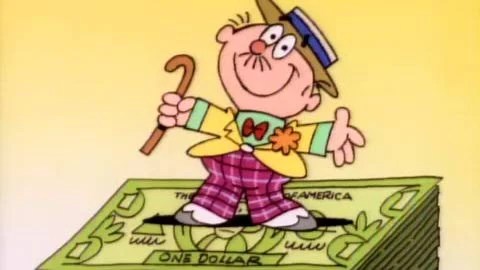
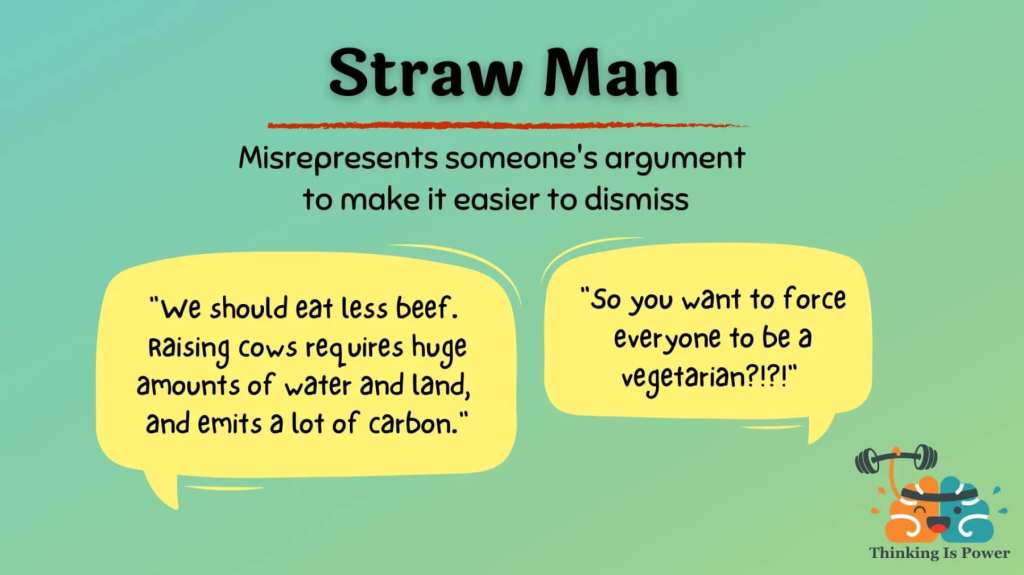



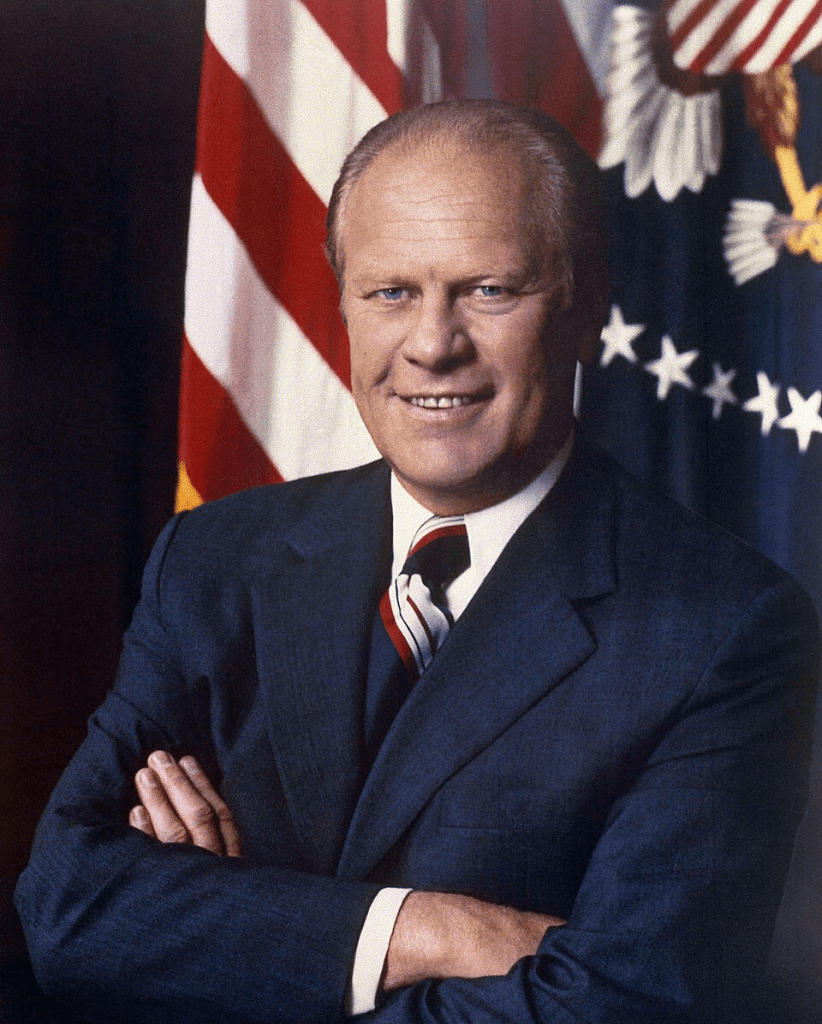
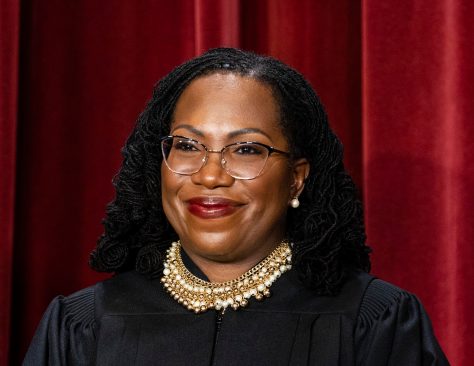
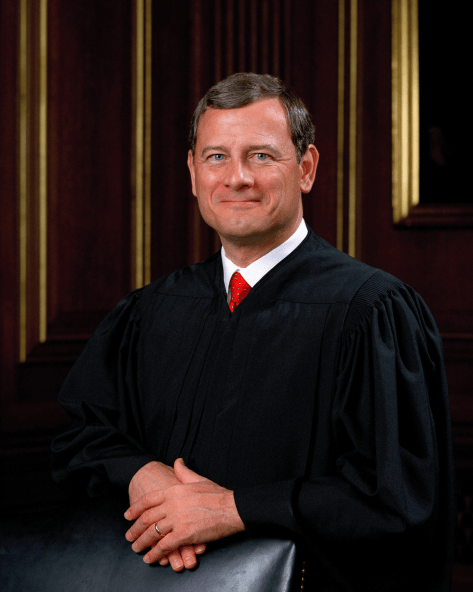

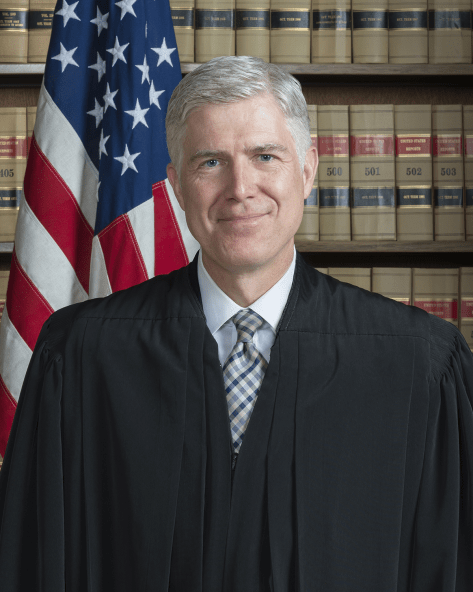

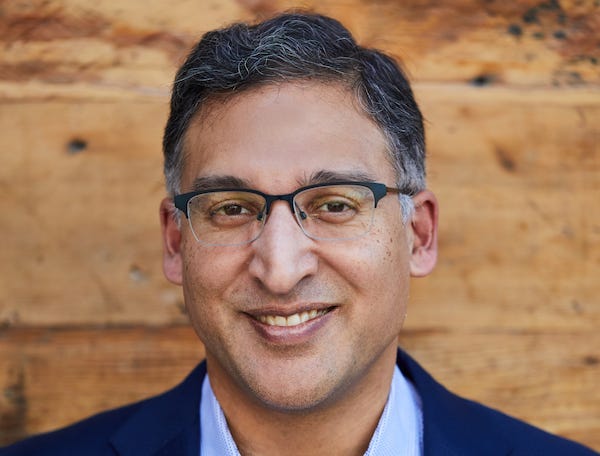
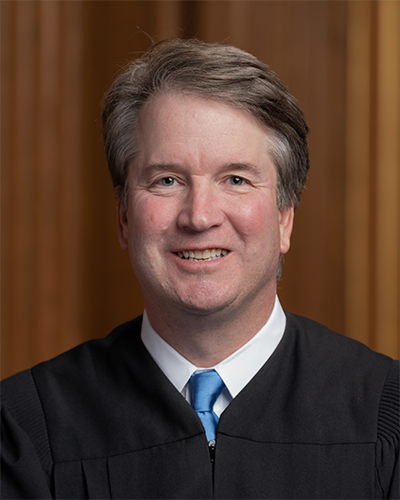
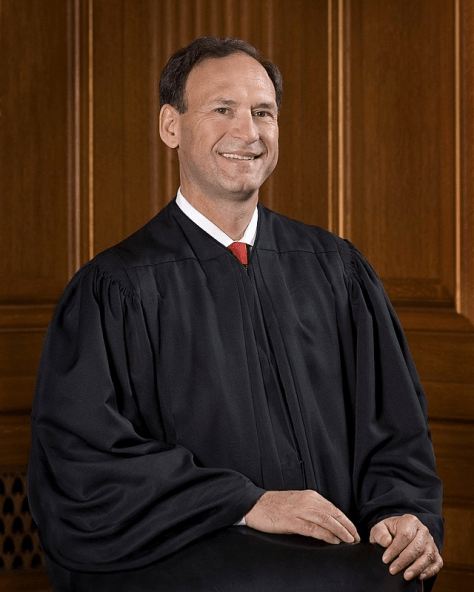



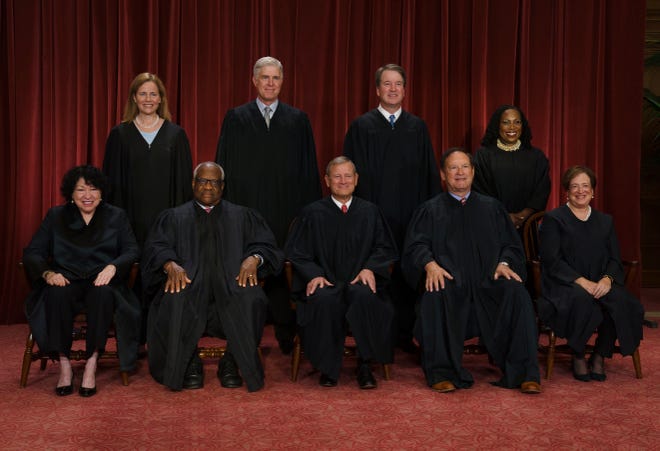
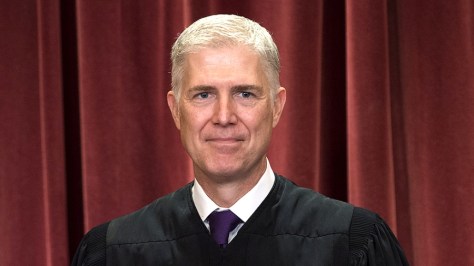



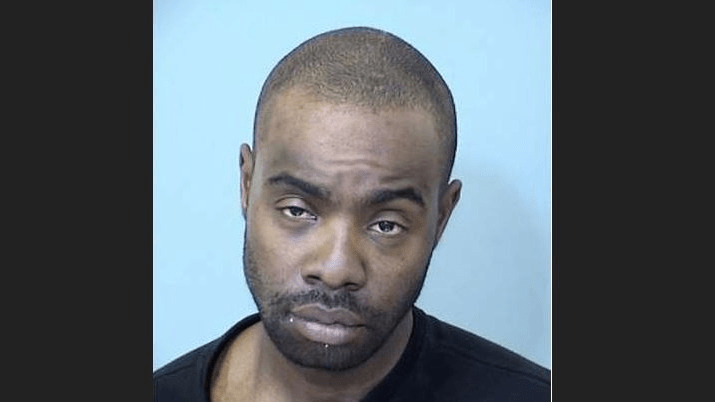

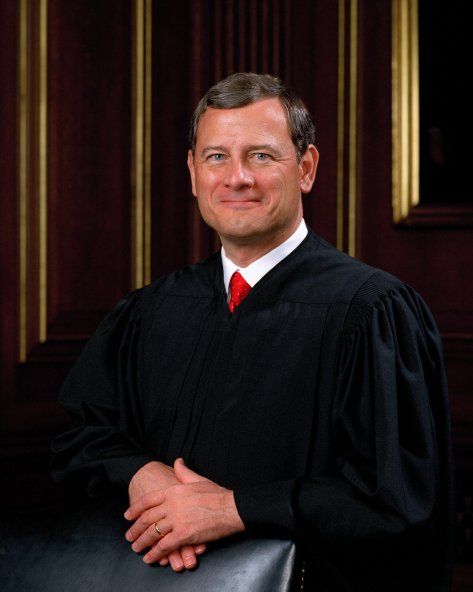


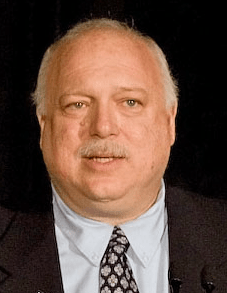


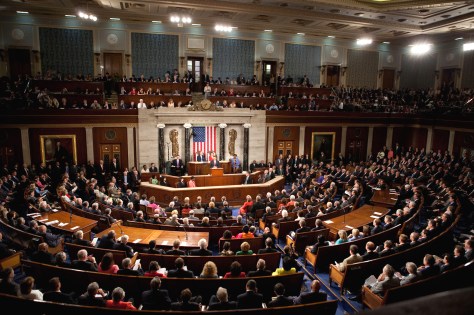




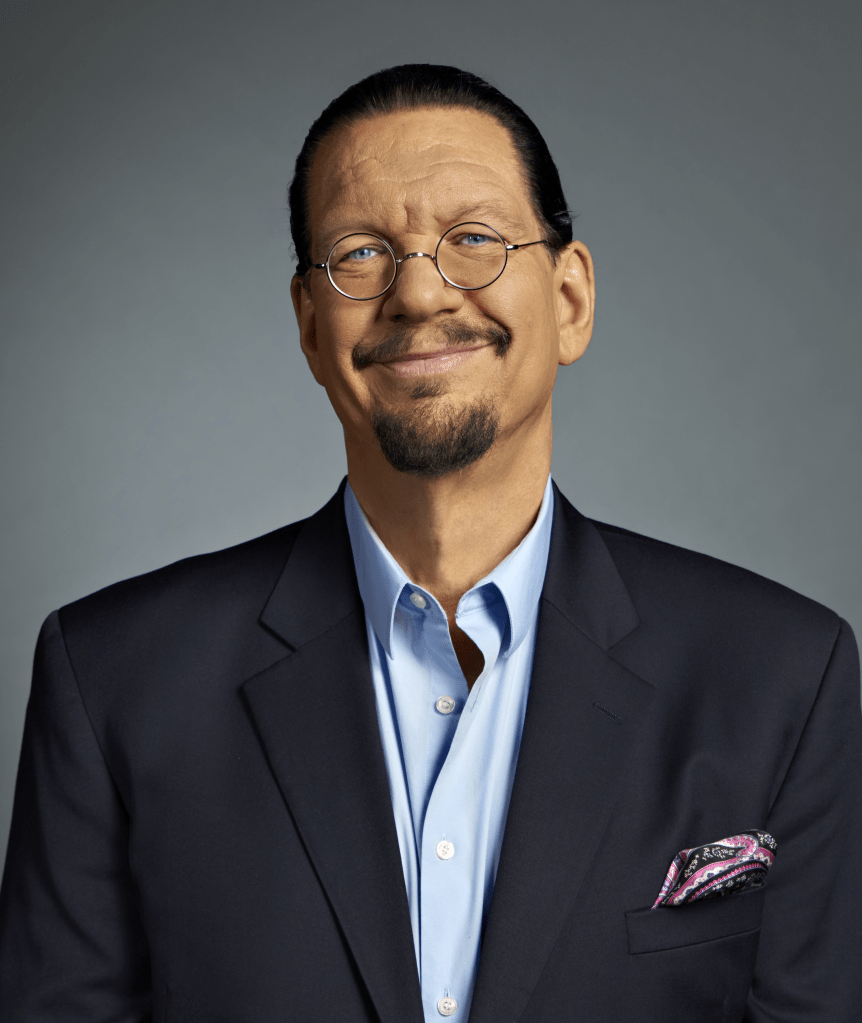


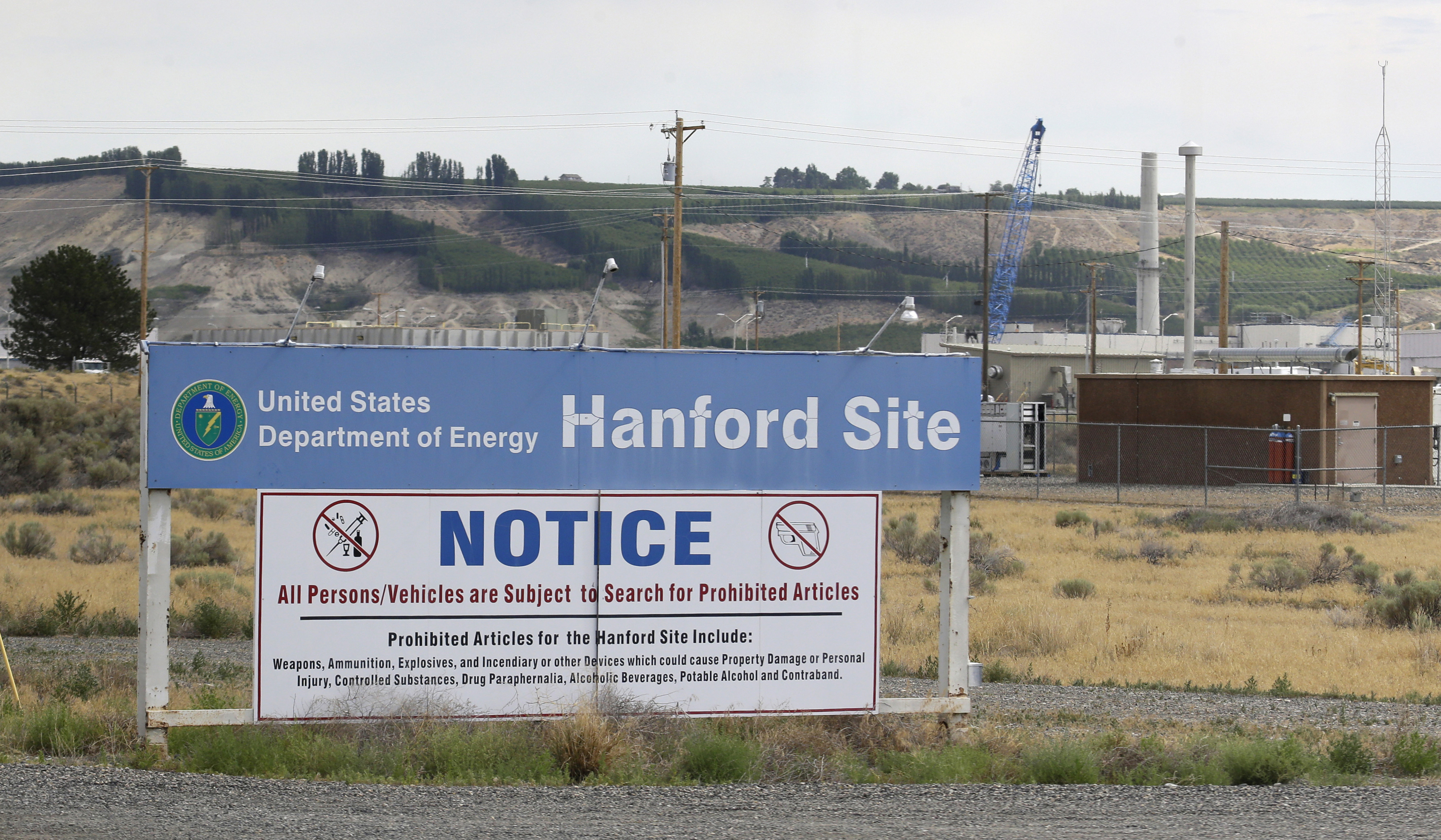





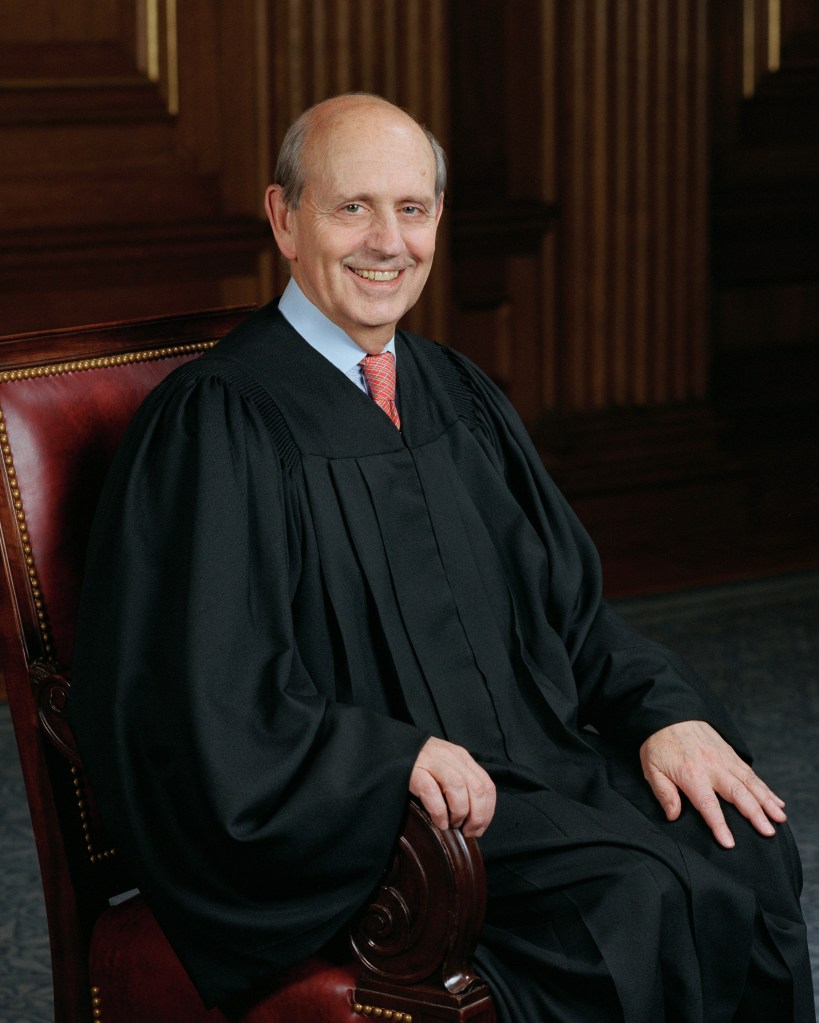








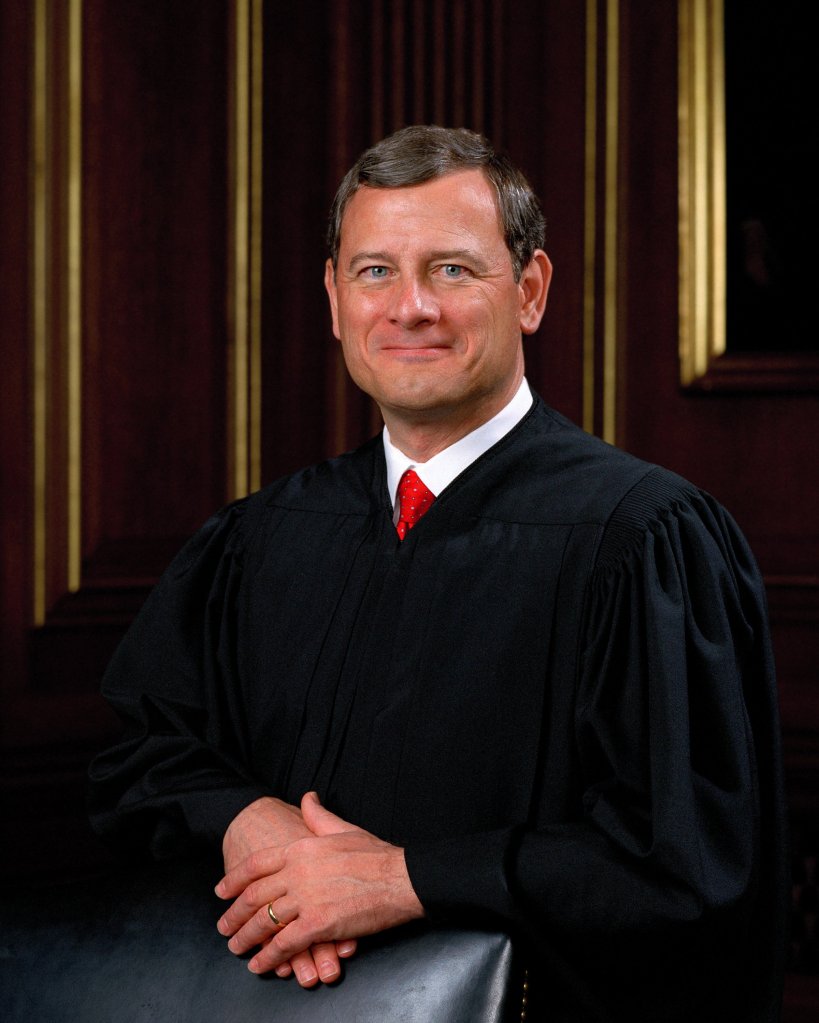

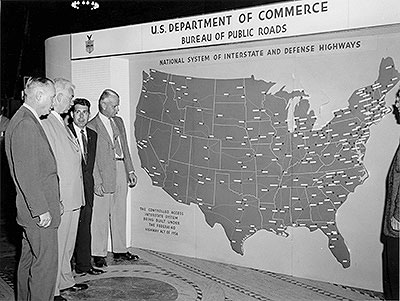





 The Logical Libertarian™