“Right to try” laws have become very contentious in recent years. Because we here at Logical Libertarian pride ourselves on being logical, as you can imagine, our position is that there are two opposing sides of the debate, and the truth is probably somewhere between these ideologies.
Both sides have very valid points, and should be considered. Sadly, what doesn’t happen, is both sides acknowledging the validity of the opposition’s argument, which then might lead to an acceptable solution they both agree is best.
So let’s explore…
First, in one corner, we have the proponents. These are largely libertarian-minded folks like myself. They rightly point out that the FDA approval process for new treatments or medicines is painfully slow.
They’re correct of course, but this is for good reason. When it comes to someone’s life, drugs and treatments shouldn’t be approved willy-nilly. If someone dies because a drug or treatment was harmful, we can’t exactly undo that.
But there’s another problem, even if the drug or treatment is benign.
Where these proponents are correct, are situations where someone has a treatment resistant issue, or an issue with no approved treatment, they’re potentially suffering from a terminal illness, and they’re open to try anything at this point to save their life. In this scenario, it seems to make sense to allow them to try unapproved treatments, because there’s simply no better option available.
I’m very sympathetic to this argument.
In the other corner, we have scientists. They argue that by allowing people to use these unapproved treatments, we’re opening the door to charlatans and snake oil salesmen, scamming desperately ill folks who are grasping at straws.
They’re 100% right that this does happen, and will happen at a higher level, if we allow “right to try” laws to pass unilaterally.
The FDA approval process is slow for a reason. There are multiple steps to show efficacy in non-humans, safety in humans, then eventually controlled studies with large sample sizes in humans. After that, it takes years to potentially understand the long term effects of these treatments.
Until scientists understand the mechanisms, outcomes, drawbacks, side effects, etc., giving doctors the green light to try these things, could do much more harm than good.
In a third corner, is me. A non-doctor, philosophical libertarian, who thinks there might be some middle ground which can be found.
My first argument is that unapproved treatments can be placed into four buckets:
Treatments with no studies/data supporting or rejecting them
Treatments with studies/data supporting them, but not enough to reach FDA approval yet
Treatments with conflicting studies supporting and rejecting them
Treatments with studies/data rejecting them
With these buckets, “right to try” laws could have different rules for each, that allay the fears of scientists, while ensuring the rights of people to try potentially promising treatments are also preserved.
Just to disclose my own bias, I think there should be a constitutional amendment forbidding government to get in between a patient and their licensed physician. When I say licensed physician, I’m referring to someone who went to medical school and has a license to practice medicine. Not homeopaths, naturopaths, chiropractors, or others who don’t have a license to practice medicine, but attempt to pass themselves off as “doctors.” I find such behavior reprehensible, immoral, and arguably criminal. They’re con artists if they actually know what they’re doing, and they’re ignoramuses if they don’t.
I know chiropractors are contentious, and some are certainly better than others. But unless they went to medical school and attained their doctorate, which they didn’t, calling themselves doctors is misleading.
That said, some are at least honest that what they do, provide some temporary relief. But others claim they can cure diseases and such, which are the original claims of chiropractic. That has been thoroughly debunked, and is very irresponsible for any chiropractor to claim.
I hold this idea for an amendment, partly to preserve a woman’s right to have an abortion, especially if her health is at elevated risk. But more generally, just because I think government shouldn’t be passing laws preventing a doctor from performing a treatment that they, and the patient, agree is best for them.
That said, I think government’s most important job, is to protect us from those who would do us harm, including quacks recommending procedures that aren’t backed by an ounce of science (still thinking about Steve Jobs and his choice to treat his cancer with homeopathy).
So I’d reconcile these conflicts of protecting doctor-patient interactions versus protecting patients from malicious practitioners by outlining how I feel about the four buckets above. But understand that first and foremost, my argument to protecting doctor-patient interactions is only about actual medical doctors.
Other so-called health gurus should receive no such protections, and frankly, in my opinion, should mostly be tarred and feathered.
Bucket #1: Treatments with no studies/data supporting or rejecting them
If there are no studies/data supporting them, I’m curious why any doctor would recommend it. But I can imagine a scenario where a doctor has some reason to believe a particular treatment could work, despite no data on it, for or against. That seems to be significantly less likely than charlatans, though.
In this scenario, if a doctor is licensed, that doctor should be required to disclose quite clearly, that there is zero science supporting the idea. But, that the doctor suspects it might be helpful, explain their reasons why, and if the person is willing to take an absolute shot in the dark, then they may proceed.
Bucket #2: Treatments with studies/data supporting them, but not enough to reach FDA approval yet
This is the bucket that I think most people are envisioning when they think of “right to try laws.”
These would be medicines or treatments making their way through the FDA approval process, or being done in other countries with some success, but just aren’t approved here in the United States yet.
Again, let’s assume the position of a well-intentioned physician. They might see the data, and think there’s reason for hope with these. If there’s no approved option for this patient, and the patient has weighed the costs, risks, etc., then by all means, allow them to proceed.
Again, I think it must include full disclosure that it isn’t an approved treatment, and it should be viewed as something to try, only if there aren’t more effective approved treatments, which I think most doctors would choose anyway.
What could get tricky, is if there as an approved treatment that has a low efficacy rate, but there’s this new unapproved treatment that seems to show a much higher efficacy rate, what would a doctor recommend and a patient choose.
We hate to roll the dice on someone’s life, but it’s their life. I think again, as long as they’re well-informed, it should be their choice.
I don’t see an avenue for many charlatans on this path, as they tend to peddle in things which show no efficacy—if there were efficacy, it would be promoted by actual doctors.
Bucket #3: Treatments with conflicting studies supporting and rejecting them
This bucket is admittedly quite challenging. But in the end, since there are some studies showing efficacy, it has some level of hope or promise.
I’d again, make sure that the patient is made fully made aware of the conflicted status, a basic understanding of why it might work, and why it might not, the risks and side effects observed, etc.
From there, the patient can make an informed decision, and move forward.
Bucket #4: Treatments with studies/data rejecting them
For me, this one is pretty easy. It’s not like we don’t have data on these treatments—we do. They have been tested and failed every time.
Of course, any good scientist doesn’t deal in absolutes. Just because there’s no data supporting such treatments doesn’t mean they don’t work. It just means we have no reason to believe it does.
I don’t think any reputable physician should be prescribing such a treatment, and they should be excluded from “right to try” until there is some data to suggest they are safe and effective.
A doctor should inform the patient that such treatments have never been shown to be helpful, and that the doctor, in good conscious, wouldn’t recommend it, lest they be charged with malpractice.
As you may have noticed, in each scenario, I focus on informing the patient thoroughly. This is how I propose the government protect the patient, without standing in the way of preventing a potentially life-saving treatment.
I think these buckets are important, because when many talk about “Right to try” laws, they tend to not differentiate between a treatment which is showing efficacy, versus one that has been thoroughly debunked—those two things should be treated quite differently.
In the United States, we treat our military with a certain amount of reverence and care.
I assume most people know, that if you’re enlisted in the reserves or National Guard, which are temporary military roles where you serve a handful of weeks a year, and one weekend a month, that your employer cannot discriminate against you in some way, for doing this, either before you were employed with them, or during so.
Meaning, if you were enlisted first, and apply for a position, your employer can’t decline to hire you, because of your military status.
If you were employed first, and then opt to join the reserves after, same principle. You’re company cannot fire you, because they know you’ll now be missing time, that you otherwise wouldn’t, playing with guns, tanks, airplanes, and shit.
Another facet of this law however, is if you happen to get called to go kill some fucking terrorists, or other random enemies of the United States, your employer must have a job for you, when you come back.
It’s not so much that they have to keep your job open—that’s unfair to just not have that work done at all, while you’re gone.
So, when a soldier returns home, if their employer can return them to that job, great. Otherwise, a job of similar work, and equal or better pay, will suffice as well. Basically, the soldier shouldn’t be harmed or underpaid in any way, because they were missing for a year or two, snuffing out some assholes on your behalf.
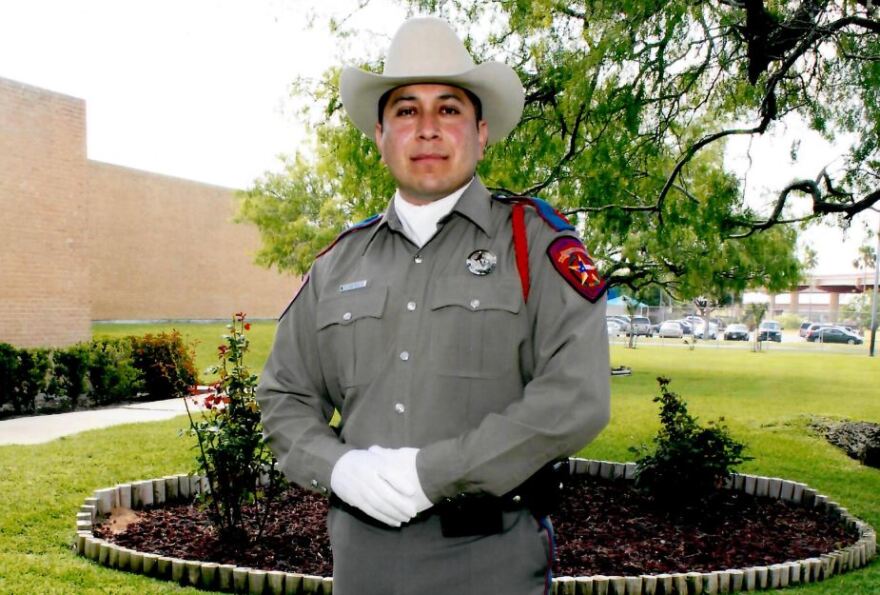
Now that you understand that, in walks a damn-fine American, Leroy Torres, who joined the Army Reserves in 1989, became a Texas state trooper in 1998, then in 2007, got sent to Iraq to fuck some shit up.
However, while in Iraq, what got fucked up, were his lungs. So in 2008, he was honorably discharged for medical reasons.
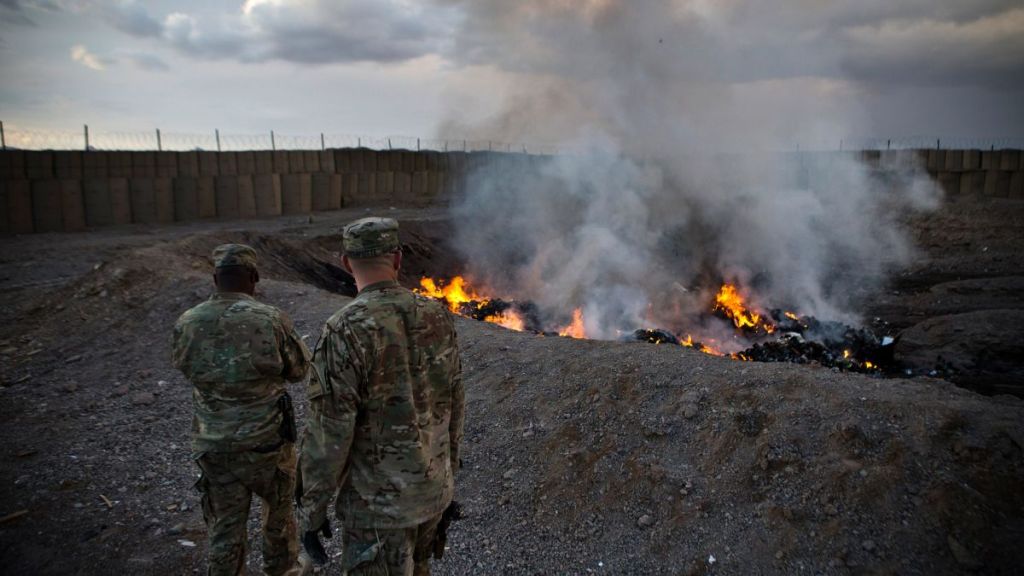
Our military has a long history of doing whatever it takes to get shit done, sometimes throwing caution to the wind. A less than glorious part of this in Iraq, was getting rid of chemical waste and other dangerous things which they felt needed to be destroyed.
Did the Army create special hazmat disposal sites, with fancy equipment and shit to protect people getting rid of it?
Well…
Clip of the federal government responding to soldiers asking for special hazmat disposal equipment in Iraq
Instead, they dug some big fucking holes, tossed the shit in, and like any real man would do, lit that shit on fire—it’s our love language.
But as you can imagine, the fumes did some serious, and irreparable harm to these fine men and women, engaging in extreme s’more manufacturing.
Let’s be clear about what he endured. A shitload of ER visits, which the Veterans Administration tried to deny paying for, attempts to deal with his condition with unproven alternative therapies, which us pro-science people consider especially heinous, as it’s often charlatans bilking people in need, with therapies that have no evidence supporting them. Then, most sadly, he made a choice to deal with it in the ultimate way—committing an act of suicide, which was thankfully unsuccessful.
Iraq Burn Pits
Seriously, any soldiers who may stumble upon this, know you are loved, respected, and cared about. Please don’t ever consider ending your own life.
Seek help—there is so much available to you, both professionally, and from family and friends. Never be afraid to tell people how you’re feeling. No one will judge you negatively for it.
I have many veteran friends, and I’d be honored if they came to me to talk about their struggles—certainly not bothered in any way. I promise I’m not unique in this.
The people around you, that you think would be better off if you were gone, absolutely do NOT think they’d be better off if you were gone. They love you and care about you, and would miss you immeasurably if you were.
We all have our pride, but never let pride get in the way of asking for help. There are people out there who are fucking great at helping you deal with these things. Let them do their job, and you fight the most important fight of all—being around for your loved ones.
Well, his health issues really tested the limits of USERRA. He could no longer carry out the duties of working for the Texas Department of Public Safety (DPS) as a Texas State Trooper. The only job they had for him, was a low-level temp job, which he wasn’t interested in, as it felt pretty demeaning and unfair to him.
Leroy Torres
So Torres argued that he was effectively being discriminated against because of his military service and ensuing physical injury, which USERRA prohibits.
Torres would go on to become quite the champion of his fellow burn pit victims, and eventually help to create the PACT Act, which aimed to make sure other burn pit victims didn’t have the VA issues Torres did. It was eventually signed into law by President Biden.
I don’t want to deviate too much from the case, just know that the issues arose from the VA not acknowledging that the illnesses these soldiers faced, were because of the burn pits. As such, they denied covering them. It was an especially heinous act from whomever was running the VA at the time.
So, is this why were at SCOTUS?
Well, no.
I don’t know if we’ve really talked in detail about this, so let’s cover it now. I know we’ve covered that SCOTUS is almost always an appellate court —as opposed to original jurisdiction.
The way appeals work, and I’m simplifying, is you have your initial day in court. Along the way, you think the judge or the opposition, are unfairly harming you and your case. So you (via your lawyer) yell…
I know on TV, it just looks like a baller thing to do. But it also is a legal distinction that you’re putting on the record.
Imagine you lose the objection, and the judge overrules it, then you end up losing. If you believe the objection was valid, and it being overruled was the reason you lost the case, you can appeal that objection.
What people tend to think, is if you lose a case, you go to an appellate court, and they hear the whole fucking case again. Well, they don’t.
If you’ve listened to any of these oral arguments, think back on them, and you’ll see what I mean.
All the appellate court does, is hear the arguments about your objection, decide if it was wrongly overruled (or vice versa, if the opposition objected and it was sustained).
If they agree with you, they basically correct the overruling, send that shit back to the lower court to re-review, potentially rehear the case, and then redecide based on the new standard they set.
So in this case, the issue at hand for SCOTUS to decide is whether USERRA is allowed to step all over Texas and its state sovereignty, and allow Torres to sue Texas.
Texas however, argues that the federal government, via USERRA, has no fucking right to tell Texas Super Troopers to take better care of Torres.
If Torres wins, then Texas cannot make the argument that it’s their sovereign right to employ Torres how they want. Got it?
On to the arguments.
First up, counsel Andrew Tutt, in his first time arguing before SCOTUS, representing Mr. Torres
He opened by pointing to the constitution’s language on the federal government’s power to have a military, and defend the nation with it. Then, he argued, only a fucking idiot would think that the states would have a right to interfere or reject that power.
As such, USERRA, plays a pivotal role, in the federal government’s ability to build a fucking military. Who the fuck would join the reserves if the federal government didn’t have the power to make and enforce laws like USERRA?
So it follows that DPS are fucking idiots.
He was stumbling over his words a good bit, at least enough for me to remark on it, but hey, it is his first time here. I’ll cut him some slack.
Andrew Tutt
At issue is whether the federal government can pass a law allowing private citizens to sue a state.
Justices Roberts started by asking about previous cases Allen and Katz.
We’ll talk about Allen first, which is from 2019 case Allen v. Cooper. In that case, a photographer had taken photos of Blackbeard’s Treasure, which were taken in North Carolina. NC liked the photos so much, they put them on their own website, without even asking Allen permission to do so.
He sued the state for copyright infringement. But NC showed him, they passed “Blackbeard’s Law” which basically said they couldn’t be sued for using works which the federal government had copyrighted. Cheeky naming the law after a fucking thief, which they then used to steal someone else’s work.
It was eventually repealed in 2023.
SCOTUS agreed in that case, that the state had a right to pass such a law, and that law trumped federal law protecting copyright holders. Therefore, Allen was shit outta luck, getting NC to pay him for their use of his photos. In so doing, SCOTUS invalidated the federal law called the Copyright Remedy Clarification Act (CRCA).
This matters for our case today, because it basically says that the states can tell the federal government to go fuck itself, under certain conditions.
Conversely, Katz is a 2005 case called Central Virginia Community College v. Katz. This dude named Katz was owed some money from several state-run colleges, through bankruptcy. Virginia tried to argue state sovereign immunity meant they couldn’t be sued. But the SCOTUS at that time said the federal bankruptcy laws trump state sovereign immunity, and they have to pay.
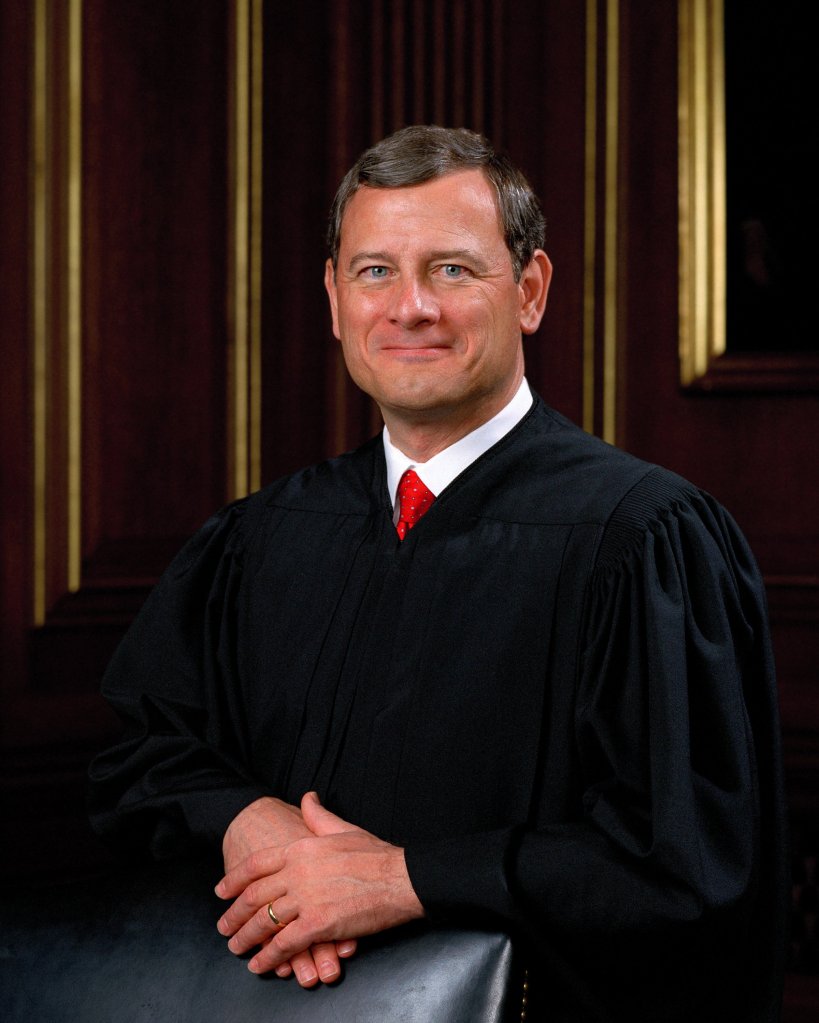
Supreme Court of the United States Chief Justice John Roberts
So you see the conflict here. Allen accepted the states could pass a law preventing themselves from being sued, but Katz said states couldn’t just not pay someone they owed, because federal bankruptcy laws trumped any state law saying it didn’t have to pay.
Torres, in his briefs, cites Katz to support his case. But Justice Roberts’ question was asking, if Allen seems to be so contradictory to Katz, doesn’t it stand that Katz was narrowly decided on just bankruptcy grands, and not trumping state sovereign immunity altogether?
Justices Barrett and Kagan also seemed very curious about this point.
Counsel Tutt seemed to suggest that these two don’t conflict with each other, because one is about canceling state sovereignty altogether, whereas the other is merely about a waiver under certain circumstances.
Justice Barrett suggested that the difference seemed to be that bankruptcy, and eminent domain powers, which override state sovereignty, are the result of court proceedings. Suggesting that you’d have to get some victory in court, before you can tell the state to go pound sand up their ass.
But in Torres’ case, he’s relying on some federal law invalidating a state’s sovereignty, as opposed to constitutional powers, or a court decision.
Justice Kagan, being confused by his rational, asked:
Complete the sentence for me. The war powers are different because what?
Associate Justice Elena Kagan
Counsel Tutt replied:
The war powers are different because they are conferred unconditionally and without qualification.
His argument going back to his opening statement, that the framers intended for the government to be able to form an army, or militia, in times of need. And that since there was no land that wasn’t part of a state, the war powers would have no men to choose from, if they didn’t pluck them from the states.
Justice Kagan asked about a similar situation where the federal government, to protect native American rights, passed the Indian Commerce Clause, which purported to tell the states, they had no authority over Indian tribal lands, and SCOTUS then told congress, they could suck a giant Indian dick.
Justice Kagan, kept hammering, saying that they seem to be asking the question that during the framing of the constitution, they would have had certain expectations about what state’s had as rights, and what they didn’t. She was having a hard time expecting that the states wanted to allow the federal government to force them to give a militia person a cushy job.
Counsel Tutt again pointed out that the constitution makes it very clear, that the federal government’s war powers are sacrosanct. Whereas the federal government’s rights to tell states they have no power over native Americans, isn’t covered in the constitution in any way, and was just a power-grab attempt by congress that the court rightfully struck down.
Justice Barrett agreed that the war powers were rather strong, from the federal government, and that the government could sue Texas over this, if it wanted to. But where does it give Torres himself this power to sue them?
Associate Justice Amy Coney Barrett
Counsel Tutt was like, “the federal government, when it passed USERRA, knew that the best way to protect those rights, was to give them to the people it was intending to protect, the power to sue on their own, so they wouldn’t rely on the federal government.
We all know, government workers are inefficient and lazy (except for you assholes in robes), so better to remove them from the equation.
He even cited that there had been thousands of examples where people did attempt to go through the department of labor, and those worthless fucks did nothing in all but nine cases.
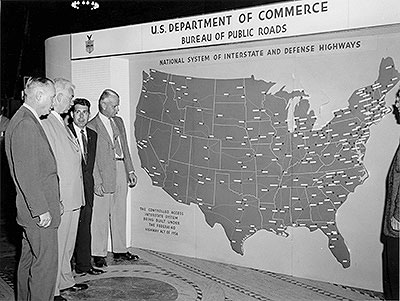
Justice Alito then chimed in and pointed out that the federal interstate highway system was created under war powers, and forces states to build the interstates within their borders (with funding from the federal government).
So Alito asked, can someone sue their state for having a shitty interstate highway that damages their car?
Tutt seemed rather surprised by this question, but trying to think quickly on his feet, simply suggested that there may be a limit on the war powers, that the federal government imposes on itself, but that the states don’t get to limit it.
He pointed out that while congress used the war powers to justify the interstate highway system, that is just a connection they made, and certainly not what the framers had in mind when they created the war powers.
However, recruiting soldiers sure as fuck is. It’s pretty much the one thing that has to be part of the war powers.
He goes on to say that Texas seems to think that the constitution considered the war-making powers strong, but still wanted the states to retain power to rebuke those powers where it saw fit, and he thinks that’s just fucking nonsense. He argues that they instead, specifically gave up that authority in this context.
Justice Thomas sought to understand where there were instances of state sovereignty being waived for money damage suits?
Associate Justice Clarence Thomas
Counsel Tutt pointed out several instances where the federal government had sued states for monetary damages.
But then Justice Thomas was like, “I’m not too fucking concerned about the US government, I’m concerned about private people suing states.”
But counsel Tutt was like, “That shit matters, Justice Thomas. Because these assholes over h’yar, say that if this case had all the same facts, but were The United States v. Texas Department of Public Safety, they’d wouldn’t have fought it.
So we’re saying, that it shouldn’t matter who’s suing, what matters is the merits of the claim.
One thing that is often brought up in this case, is a “Plan of Convention” argument, versus abrogation.
Yeah, I had to look that shit up, too.
So, in order to protect states from just having law suits falling out of their ass like never-ending diarrhea, the states are indemnified from the people suing them, except where they specifically agree to be sued.
I know it sounds kinda fucked up that states have to agree to being sued. When would they ever consent to be sued? That sounds weird.
Well, they don’t mean, like, “OK, you can bring this suit against us.” They’re referring to a time where they accept that they’re not immune (or are sovereign) in certain instances, then down the road, one of those instances occurs.
“Plan of the convention” refers to the meetings the states had, when creating the constitution.
Constitutional Convention
So counsel Tutt’s argument is basically saying, that by the states ratifying the constitution, including the war powers clause, they consented, or waived the right to immunity, over any violation of the war powers clause at convention of states, when they created the constitution.
So his argument is, that there’s no need for the courts to cite precedent, laws, or anything else. This is a “Plan of Convention” waiver of state sovereignty.
It gets tricky for him, because other constitutional issues, like commerce, coining money, and a bunch of other shit, haven’t traditionally been considered to override state sovereign immunity, and the justices have repeatedly sought to understand why counsel Tutt thinks this is different.
His argument is that the war powers provision, is fundamental, to the whole of this nation, to protect itself from not being a nation anymore. Those other punk ass provisions, deal with how the nation should operate among the states. So since the states sort of compete with one another in our commerce system, they band together to defend the nation. That seems to be his distinction on that.
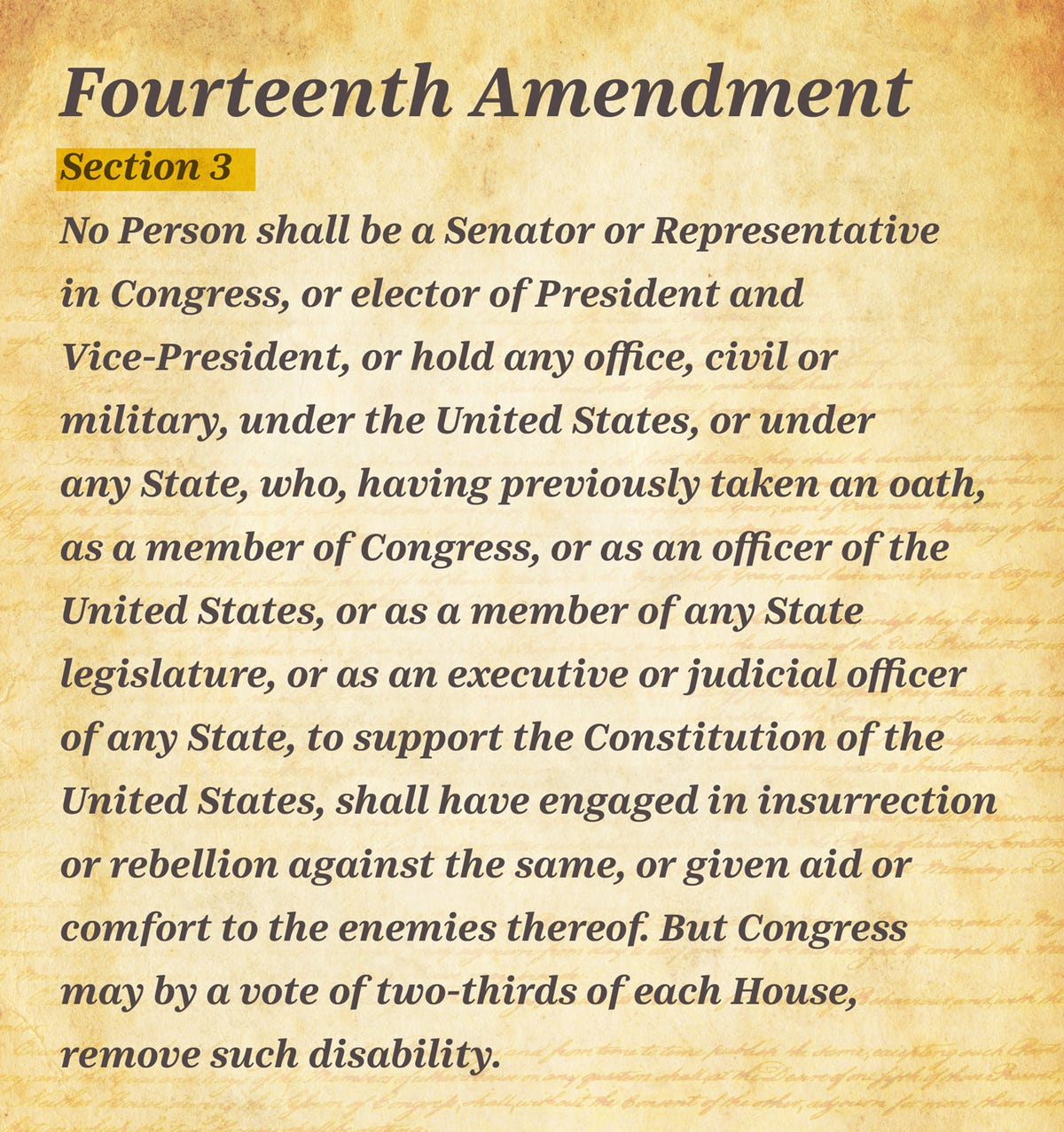
Abrogation, on the other hand, is the federal government, or SCOTUS telling the states, “Fuck you, you can be sued for this shit.” This derives from the 14th amendment, which forbade states to allow slavery, and required due process under the law, as well as other shit. So the federal government effectively took power away from the states after the constitution had been originally drafted.
14th Amendment to the United States Constitution
In simple terms, “Plan of convention” is voluntary, abrogation is imposed.
Next up, we have counsel Christopher Michel, representing the United States, as an amici for Torres. The United States is not directly involved in the suit, but they have enough of an interest, that they were allowed to participate in the hearing.
He came in hot, by saying, “You assholes have NEVER put a limitation on the constitution’s war-powers, and USERRA is vital to that effort. So you’ve got no business giving Texas the power to limit that shit now.”
Justice Neil “Golden Voice” Gorsuch asked, “what are the fucking limits of these constitutional waivers? Can anyone bring any fucking suit to any state over anything that seems tacitly related to the constitutional powers. This shit could get pretty ridiculous, no?”
He then referenced, going back to Alito’s point about the highway system, could someone sue the state for punitive damages because there was a pothole on the highway that damaged their car?
He was then like, “Why couldn’t congress just conscript people? That shit worked for a while. They didn’t have to make this USERRA statute. So why is USERRA connected to the constitution when there are other ways to ensure we have soldiers to fight wars.
Christopher Michel
Counsel Michel’s response didn’t really seem to answer the question specifically. He acknowledged, the pothole argument would be much tougher to defend, and likely wouldn’t stand up.
But he didn’t really draw much of a distinction. Also didn’t address conscription.
He seemingly answered the question he wanted Gorsuch to ask, and just made it clear, that he didn’t see a clear path to draft an Army without USERRA, and therefore, rejecting it as a violation of state sovereignty, against suits from individuals, violates the principles the war-power clause defined.
He then went on to point out to questions from Justice Kavanaugh, that one of the first things volunteers for the reserves and the National Guard ask about when considering joining, is “what about my civilian job?” It’s a major concern, and a huge factor in their choice to volunteer.
Last up: Counsel Judd E. Stone
He chimed in with a distinction mentioned earlier. That states didn’t sign away their fucking sovereignty to private citizens—it signed it over to the federal government. So if the United States wants to sue Texas over this shit, we would accept it. I know they’re here as an amici, but they didn’t see fit to file for Mr. Torres.
The states can’t just let every Tom, Dick, and Harry fucking sue us.
I think what’s also at issue here, is monetary damages. If Torres just wanted them to give him a job or something, the US might have filed for him. But he’s also demanding monetary damages, and I think that’s ultimately what Texas is pissed about, and why the United States isn’t the opposing party.
Judd Stone
Justice Roberts first asked about the other side’s argument regarding “Plan of Convention” waivers.
Counsel agreed, this is their strongest argument, however, he indicates that these waivers are about what the states gave away, and what they didn’t.
In other words, they expected the federal government to field an Army, and are willing to concede that power to the federal government.
He believes, however, that in no way, did the states anticipate a law like USERRA, then people suing for monetary damages over it, and therefore would not have consented to be sued over such things.
Justice Kavanaugh then asked, “We allow private suits in bankruptcy, such as Katz, and we also allow them in eminent domain suits, FMLA violation suits, etc., so why not for war-powers issues?”
Counsel Stone responded that these other decisions, such as Katz, were narrowly suited to those particular issues, which were not war-powers issues. So as much as they may seem similar, they’re not the same, and therefore don’t apply here.
Justice Kagan asked, “In what fucking world, could people sue under eminent domain, and somehow not be able to sue under the war-powers clause? Certainly war powers are more important to national security than eminent domain, right?”
Associate Justice Elena Kagan
Counsel Stone agreed that war powers are obviously pretty fucking important. But he argued that while no one doubts the federal government possesses the right to declare war and field an army, it didn’t grant the right for the people to sue the states over a law, that’s related to fielding an army. The states may have wanted to keep the power to determine for themselves, how best to provide the federal government with soldiers.
For instance, some states might want conscription, while others wants volunteers. There’s no evidence that the states gave the federal government the power to decide this issue for them.
Justice Barrett then asked, “If the states gave up this huge power to field and army and go to war, why would they seek to retain power over how to field the army. That seems rather irrelevant compared to what they gave up, right?”
He was like, “Nope. They guarded the hell outta that shit. If they didn’t specifically give it up, they have every right to expect to keep it.”
Justice Barrett then asked about the potential for states thwarting war efforts. For instance, after Vietnam, there was a lot of condemnation by states over the war, and many soldiers didn’t get the hero’s welcome they deserved upon returning home. So if DPS wins, can they then decide, for instance, if the US opts to get involved in helping Ukraine, that they don’t think it’s a good war, and refuse to participate with their soldiers?
Associate Justice Amy Coney Barrett
Counsel Stone responded that the US is perfectly fine to file suit against Texas, and in this scenario, would. That’s different from here, where Torres himself is filing suit.
Finally, in rebuttal, counsel Tutt reminded the court, that in the Federalist papers #23, Hamilton said that war powers ought to exist without limitation, because it’s impossible to see into the fucking future and know what’s needed.
This mother fucker on the other side of the aisle, is trying to limit it, and he’s fucking wrong for doing so. That’s all I got.
In a bipartisan majority, where justice Roberts and Kavanaugh joined Justices Breyer, Kagan, and Sotomayor, Torres came out victories.
They agree that by joining the United States, they agreed to give the federal government the power it needed to wage war, which extends to a private individual suing them, if the state were to violate a war-powers federal statute.
The remaining justices, wary of giving the federal government such unrestricted powers, disagreed. Their opinion hinged around giving private parties to sue, in relation to these federal powers. They felt that was just a step too god damn far.
Hear oral arguments, and read about the case, and the opinion here at OYEZ.
No one knew at the time, that it would be a landmark case, initially, it was your basic snooze fest. But, it has since been cited in other cases over 18,000 god damn times.
Was Chevron a fascinating case with a compelling opinion? That’s a big nope. And, since this isn’t our case today, I’m just going to give a simple overview.
But before we get into that, we need to explain a distinction I don’t think I’ve covered before.
In the United States, we tend to think that congress are the only people who write laws. While this is the framework the constitution lays out, it gets complicated.
The word law, for our purposes, is a generic term that basically encompasses anything the government has created to control, regulate, or restrain itself, or the people. But, there are five types of things that carry the weight of law, which have different purposes.
The Constitution: It is the document creating government and restraining government, which all other laws derive from. So it’s the shit. From there, if:
Congress wrote it: This is called a statute, often called an act. This is how the constitution suggests laws are to be passed, and aside from the constitution, they carry the most weight.
The courts wrote it: This is called case law, or precedent. The constitution didn’t really grant this power to the courts, SCOTUS gave it to themselves in Marbury v. Madison (1803), by suggesting the constitution gave them this power when it created the courts and ordered them to interpret law. (That said, congress can then rewrite the law—invalidating the opinion. However, if the courts strike down a law as unconstitutional, congress can’t just repass a law with the same unconstitutional premise—they’d need a constitutional amendment to do that.
The executive (president) wrote it: This is called an executive order. Also not in the constitution. It derives from the president’s authority to execute the law. It was not initially intended to be law, so much as a temporary order. If the president needed to act quickly in an emergency, and congress wouldn’t have time to act, the president needed some power to get shit done, so this is what they came up with. It carries the weight of law, but congress can simply write a new statute invalidating or clarifying it.
An agency wrote it: This is called a regulation. It is meant to expand upon laws (statutes) congress wrote, not to have been new law created from nothing.
As you can see, congress ultimately has the broadest power to write laws, since they can invalidate any other forms of law, aside from the constitution itself.
President Barack Obama delivers a health care address to a joint session of Congress at the United States Capitol in Washington, D.C., Sept. 9, 2009. (Official White House Photo by Lawrence Jackson)
This case will specifically hinge around statutes and regulations, so I will make sure to use those terms appropriately. I wanted to make sure you, the reader, understand those distinctions, as this case is all about that shit.
We all know about the Environmental Protection Agency (EPA), right? Well, the 1970 Clean Air Act was their jam. It had a rule that said any new major “stationary sources” of pollution had to have a permit.
The idea was, if you had a factory or some large device in a place of business which was putting out pollutants, when it came time to replace that shit or build a new one elsewhere, it required a permit. The permit would then require that the replacement was cleaner than it’s outgoing counterpart.
However, to make life easier, if a company had for instance, a group of major polluting devices that worked in concert together at one location, then one of the components of that group took a shit, the company could replace it without obtaining a new permit, so long as the replacement component didn’t increase the total pollution coming out of the whole “bubble” of devices, as they called it.
It didn’t have to be better, just equal.
So, Chevron went about replacing one of these polluting devices, without upgrading it, under this bubble rule.
Great googly moogly, did that piss off environmentalists—they were none too fucking pleased. They wanted it replaced with a cleaner device.
Since the Clean Air Act (a statute written by congress, remember) didn’t really define a “stationary source” very well, the EPA (a regulatory agency) wrote the “bubble” rule into their regulation to clarify.
In their infinite wisdom, they felt it was a reasonable interpretation of the Clean Air Act’s intent—they were the experts after all. They didn’t think that just needing to repair an otherwise operative system somehow meant a company had to overhaul it completely. Not to mention, sometimes upgrading one component would require upgrading all of them, which could get really expensive.
But of course, environmentalists are the most nauseating group of social justice warriors that ever lived, and they decided to file suit, arguing that the EPA had no right to create this definition out of nowhere, just because it wasn’t well-defined in the Clean Air Act.
SCOTUS however, decided that since the Clean Air Act was ambiguous on this shit, and the EPA were the fucking experts, in such situations the court should defer to their judgement.
This one ruling, and the precedent it set, eventually translated into the idea that all government agencies should be deferred to, going forward, if they made a regulation in their expertise, that clarified ambiguous statutes written by congress, used to create the agency, or written to be regulated by that agency. It became known as the Chevron Deference, and it has been case law ever since.
As you can imagine, with a lot of government agencies, and a shit-ton of regulations, it makes sense that this case has been cited 18,000 times.
Now that you understand the basics of Chevron, let’s move on to our case today.
A group of fisherman (Loper Bright Enterprises) liked to fish in federal waters. But in this country, we often have a problem with over-fishing, where these commercial vessels take so many fish, that those populations of fish can’t reproduce fast enough to keep the species around for others to fish later.
Congress had had enough of this shit. They passed the Magnuson-Stevens Act (MSA), which is enforced by the National Marine Fisheries Service (NMFS), a federal agency, similar to the EPA referenced in the Chevron case above, albeit much smaller.
I know what you’re thinking. You’re thinking, “So how the hell does the government make sure that some asshole fishermen don’t overfish an area? They’re in the middle of the fucking ocean!”
No, it’s not with satellites, or sharks with laser beams on their fucking heads. They decided that they would require these fishermen to take a fed out on the boat with them. What made it worse to the fishermen, they had to fucking pay that fed to sail with them.
Imagine, in order to prevent speeding, if the Highway Patrol made you carry an officer in the car with you, and pay their salary for doing so. It’s hyperbolic, and just used to illustrate the point, but you can see why they might have beef with this.
The Magnuson-Stevens Act passed by congress didn’t specify this was the plan, but the NMFS decided to write that regulation, presumably because they couldn’t afford to pay these narks on their own budget. Since Chevron suggested such ambiguous law could rightly be clarified by them, they fucking went for it.
Under Chevron, the courts couldn’t really undo the rules made by NMFS, since the MSA didn’t create a clear rule for them to follow. So that’s why we’re here. To determine if these fishermen have a fair beef with NMFS, and potentially, if a previous SCOTUS was running a little fast and loose when creating this Chevron deference shit.
I’m going to go out on a limb, and explain the politics of this, because why the fuck not.
It’s important to understand a couple things. Remember, regulatory agencies are created by statutes which congress writes, but then the head of that agency is appointed by the president (with the consent of congress), and can by fired by that president, if the president is unhappy with the work they’re doing.
As such, a regulatory agency, is essentially, part of the executive branch.
So the concern, is that there are situations where the president might want congress to pass a statute, but Congress simply don’t have the votes to do so.
So what may happen, is the president looks at the regulatory agencies they oversee, and if one has some tacit connection to the statute they wanted passed, but couldn’t get passed, they tell the head of that agency to write a regulation that resembles the law they wanted. And then—abracadabra-alakazam—you have a law, and you didn’t need congress to pass it.
Since the constitutional principle of separation of powers suggests laws are to be passed by congress as statutes, and not the executive orders or regulations that come from the president, you can understand the separation of powers issue some people have.
People on the right tend to be for limited government, or at least that’s what they say, so they aren’t keen to give presidents this much power.
For Democrats, they argue that if a law is ambiguous about something, it makes sense for regulatory agencies to clarify. They’re the fucking experts, and it’s why congress creates these agencies in the first place.
For instance, imagine congress passes a law that creates the EPA, and says they’re supposed to ensure that the CO2 levels in the air stay within a range that’s acceptable for all current life on earth.
Since they don’t provide an actual number, it’s ambiguous.
So then they rely on the nerds at the EPA to do some science, come up with a number, and make that the regulation. Scientists are open to revising their beliefs based on new information, so if they find out their number is wrong, they can easily update the regulation based on the new science they did.
But you know who wouldn’t figure out what that number is? The fucking courts. They’re law nerds, not science nerds.
Now that you understand both political arguments, you know what I think? They’re both fucking right! They’re making extremely valid points.
Here’s where the politics come in. The left argue that the right are basically rebuking the expertise of the scientists, and instead, acting like they can do just as good of a job interpreting this shit.
They argue that this “separation of powers” issue is swamp gas. But this, I have a problem with.
I won’t re-explain the whole thing here, just know these basic facts.
Joe Biden is not an expert in virology or communicable diseases.
During the COVID pandemic, Joe Biden wanted congress to pass a law requiring everyone get vaccinated, and if not, to wear a mask in public. Presumably for as long as the CDC suggested we were in a pandemic.
Democrats were tacitly supportive of this, but Republicans were like, “Absolutely not! This is America. We’re a free country, and we don’t do shit like this.”
Joe Biden, being the senile by crafty fucker he is, unable to get congress to pass such a law, asked OSHA to make a regulation requiring vaccinations or a mask in the workplace, instead. This effectively would have had almost the same effect as the law he wanted, since the unemployment rate is only about 4%.
SCOTUS overruled that regulation, and Biden lost. But at the time, for whatever reason, they did not overturn Chevron.
President Joe Biden
So like it or not, there was a real world example of precisely what the right-wing were complaining about, that is quite recent, and quite true. A non-expert president, overstepped his constitutional authority, and bypassed congress to achieve his political goals.
So accusing the right of being conspiratorial and shit, is pretty unfair, in this case.
Anyway, now that you know all that, on to the arguments…
Up first, for the Loper Bright team, represented by veteran SCOTUS counsel Paul Clement.
Paul Clement
He opened first, by arguing that the expense of lugging around, and paying for, a fed on a fishing boat isn’t insignificant. It can be as much as 20% of their cost, for a smaller operation.
Not to mention, some of these boats are small, and an extra person gets in the way.
But then, he went after the big fish—the Chevron deference itself.
He spent most of his opening remarks saying that this deference was wrongly decided, and should be abandoned, while maintaining that the Chevron case itself was probably fairly decided.
His argument is that the courts need not determine whether the statute is ambiguous, and therefore a regulatory agency has the unquestionable right to clarify. But instead, that the courts should do what they always do, give their opinion as to what the best reading of the statute is.
Justice Thomas started by asking counsel about mandamus. What is mandamus you ask? I had to look that shit up, too.
Mandamus is when the courts, issue an order to a lower government official, telling them to do their fucking job the way they think that person ought to do it, under the law.
So for instance, if a higher court thinks a lower court have wrongly denied an innocent person their freedom on appeal, and that lower court refuses to take the actions needed to release the person, maybe because they’re arrogant cunts who think they could not have possibly fucked up, they may use a writ of mandamus and basically say, “We weren’t asking, motherfucker—release him now.”
So the nature of his question, is about whether higher courts should tell lower courts how to consider these questions, versus what the opposition wants, which is to defer to regulatory agencies and their expertise, in matters where the law isn’t very specific.
Clement was like, “the constitution gave the power to interpret law to the fucking courts. Then your predecessors, in Chevron, basically gave that power away to the executive branch, since regulatory agencies answer to the president. That’s some grade A bullshit, right there.”
So in summary, he’s saying it’s a separation of powers issue, and the court was wrong to relinquish that power. Unless we’re to amend the constitution, interpreting statutes is the job of the fucking courts.
So if a statute is ambiguous, either congress needs to rewrite it, or the courts get to interpret it. The courts are certainly free to agree with a regulatory agency, but Chevron suggests they shouldn’t even look at the agency’s regulation if the statute is ambiguous, and that shit is wrong.
Justice Sotomayor, digging her heels in early, accused Clement of using some wonderful rhetoric.
Official Portrait of United States Supreme Court Justice Sonia Sotomayor
Click for Biography
She stated that if a statute uses the word “reasonable,” that it’s delegating the authority to define what is reasonable to the agency the statute created.
However, Clement was having none of this shit. He was like, “the law on domestic fisheries is that they shouldn’t incur more than 2-3% of the cost of the catch—clearly they fucking thought about this issue.
So by what reason would your dumb ass think a 20% expense for these fishermen fishing off-shore waters is what congress intended? Have you ever even running a fucking business?”
While I’m sure the regulatory agency feels empowered to do such a thing, their power comes from congress, and congress wrote similar provisions into the statute where they capped it much lower.
So the problem with Chevron is, courts would normally answer statute questions—they’re the fucking experts on that. They should be well within their wheelhouse to look at one, and say, “this dog doesn’t fucking hunt.”
Justice Roberts, coming to the defense of Chevron asked, “It seems to me, you’re arguing that the law is not ambiguous, and therefore Chevron doesn’t apply. Right?”
Supreme Court of the United States Chief Justice John Roberts
Counsel Clement was like, “let me put it another way. Chevron says, if you look at a law, and you think you could interpret it in more than one way, you assholes normally decide what the best interpretation is.
That’s your fucking job.
So why would it make sense, in this Chevron context, to all of a sudden be like, ‘Nah, we’ll let the president and his fucking minions sort this shit out.’?”
Justice Kagan chimed in next and said, “Listen you little fuckwit. In normal statutes, if congress writes a shitty fucking law, you’re right. We’re on our own interpreting that shit. We do our best best with our legal expertise.
But if there’s a law that creates an agency, congress has given us a tool to answer such questions in the form of experts. Hell, you could even argue, that the law specifically created the agency to answer those questions. But you’re saying we should shove that tool squarely up our asses and ignore it? I think not.
We’ll use that tool, because a lot of times, they fucking understand the issue way better than we do, and why the fuck wouldn’t we defer to them when congress created them for that purpose?”
Counsel Clement then tried to argue that they had an amicus brief from the House of representatives saying it doesn’t want Chevron. But boy did he fuck up mentioning this, because Justice Kagan fucking drilled him.
She rightly pointed out that congress has the power right now to overturn any aspect of Chevron it wants with new law. Clearly they fucking don’t have the votes. For forty fucking years, they haven’t done so. So you and I both know, it’s just a bunch of your right-wing assholes that wrote that shit, not congress as a whole.
Associate Justice Elena Kagan
Counsel Clement regained his composure, and put Justice Kagan back on blast with this:
It’s really convenient for some members of Congress not to have to tackle the hard questions and to rely on their friends in the executive branch to get them everything they want. I also think Justice Kavanaugh is right that even if Congress did it, the president would veto it.
And I think the third problem is, and fundamentally even more problematic, is if you get back to that fundamental premise of Chevron that when there’s silence or ambiguity, we know the agency wanted to delegate to the agency.
That is just fictional, and it’s fictional in a particular way, which is it assumes that ambiguity is always a delegation. But ambiguity is not always a delegation.
And more often, what ambiguity is, I don’t have enough votes in Congress to make it clear, so I’m going to leave it ambiguous, that’s how we’re going to get over the bicameralism and presentment hurdle, and then we’ll give it to my friends in the agency and they’ll take it from here.
And that ends up with a phenomenon where we have major problems in society that aren’t being solved because, instead of actually doing the hard work of legislation where you have to compromise with the other side at the risk of maybe drawing a primary challenger, you rely on an executive branch friend to do what you want.
And it’s not hypothetical.
He’s not wrong. The above Biden example, with his OSHA vaccine mandate—is exactly what counsel Clement is pointing out.
Counsel Clement also mentioned a “Brand X” decision often in his arguments, citing it as a prime example supporting his argument.
He’s referring to National Cable & Telecommunications Association v. Brand X Internet Services. A case where the Rehnquist court in 2005, decided that Brand X, a broadband internet company, who was trying to avoid telecommunications regulations by saying it was an internet company, won their case, because the FCC basically stated they weren’t a telecommunications company, and Chevron deference meant the courts were supposed to simply accept that shit—which they did.
His argument was that the courts didn’t agree with the FCC, but the Chevron precedent suggested they had to go with the FCC’s interpretation whether they liked it or not.
Clement seemed to be arguing that this is an opportunity for the court to say, “You know what, we have the power, not these fucking agencies. We’re not handing the power over entirely anymore, we’re taking it back.
His other underlying concern, is that these agencies are vast and varied. So their decisions create new conflicts and precedents, where one agency might decide one way, and another addressing the same exact ambiguity, might regulate in a polar opposite way.
This is in contrast to the courts, who have case law and precedent, which aims to make consistent, things like this.
He even went on to attack congress rather directly, saying that the minority are using Chevron deference to get the president, if they agree with them, to pass laws as regulations, where they know they don’t have the votes to pass themselves. That’s not a soft jab, that’s a straight bomb to the face.
It’s a clear argument that Chevron is leading to direct violations of the separation of powers doctrine our constitution lays out.
Justice Alito asked counsel Clement about what he thinks changed since Chevron was decided. Was it right then, but wrong now?
Associate Justice Samuel Alito
Counsel Clement first laid out that the courts seem to have embraced textualism more, now.
Textualism just means that the courts interpret the laws as written, not how they think congress may have intended.
He points out, that he thinks the courts were simply wrongly removed from the equation entirely, with Chevron.
If the regulation is based on the expertise of the agency, the courts could and should recognize as much, and let it stand. But the courts should not just assume that’s true and walk away before even examining it.
If the courts recognize that it’s not a regulation based on expertise, but instead, based on politics where the minority and the executive are bypassing congress, the courts should step in and put a stop to it.
Justice Kagan, not a fan of Clement’s position, asked, “we have over 70 SCOTUS cases that relied on Chevron, and over 17,000 lower court cases relied on it. You want us to blow all the shit to kingdom come? What the fuck is wrong with you? The courts will be inundated with new cases, dogs will be sleeping with cars, it’ll be total chaos!”
Clement was like, “I’m not suggesting you blow up anything. No need to revisit a bunch of old cases. I’m suggesting you have the power to interpret law. Not congress. So why the fuck would you entirely give that power to congress, in this context?”
He specifically even said:
I don’t think you actually want to invite, in all candor, that particular fox into your henhouse and tell you how to go about interpreting statutes or how to go about dealing with qualified immunity defenses.
It is rather interesting he’s trying to get the courts to take power back, and the left-leaning justices seem very unwilling to take it.
I know this is disrespectful or arrogant, and I feel bad even saying it, but I think this is a case of political ideology clouding judgement. These justices are toeing a line their political compatriots want them to, instead of thinking critically. But I will try to remain humble, and open to the idea that I’m wrong here.
Clement went on to say, “Listen, I’m not saying overturn a shit ton of cases that relied on Chevron. Again, all I’m saying, is the court shouldn’t remove itself entirely. If the agency can demonstrate to the court, it’s decision is based on expertise the courts don’t have, then the courts should certainly let that shit ride, and not decide it themselves.
But if the courts recognize it’s simple politics, and not expertise, tell them to go pound sand up their ass.
However, Chevron is saying that they shouldn’t even analyze this, and that’s the problem Clement has.
Next up for the government, Solicitor General Elizabeth Prelogar.
Solicitor General Elizabeth Barchas Prelogar
She started off by saying the opposition acknowledges that congress can grant authority to agencies, allowing the executive to fill in the gaps they may leave in their legislation for an expert the executive appoints, to fill.
If so, then what the fuck is this grand attack on Chevron? If congress can expressly delegate those powers, why can’t they implicitly delegate them?
She also pointed out stare decisis (latin for “Stand by what’s decided”). The courts generally don’t like to overrule themselves, because then the law is all over the fucking place. Ain’t nobody got time for that.
So she argues, the court could clarify or build upon Chevron, while maintaining the basic principle, as overruling it entirely violates stare decisis.
Justice Thomas started by asking about situations where the law is ambiguous, versus the law is just silent.
General Prolegar pointed out that there are several provisions in the act pertaining to the fishery that talk about how it would be monitored, and by whom. So she argues that the statute isn’t silent at all.
Associate Justice Clarence Thomas
Justice Neil “Golden Voice” Gorsuch was like, OK if you think this statute is clear, and we think it’s clear, isn’t that the kind of shit we interpret every day? Why should we defer that to someone else?
He then asked, “if we all, in this room, think it’s clear, but a lower court didn’t think it was, isn’t that a fucking problem?
Isn’t that evidence that interpreting the statute is almost always ambiguous? If experts on law like us, can come to two different interpretations, there has to be some ambiguousness.
If so, then this Chevron test itself, is too ambiguous? Certainly we’re not supposed to give up on interpreting every statue and related regulation and let agencies handle it? We’re the experts on statutes, not regulatory agencies.
So we should decide if it’s a statutory issue, or an issue of expertise. If it’s statutory, then we fucking decide it. The nerds can handle the other shit.”
He points out that the “ambiguity” trigger in Chevron is so vague, we can’t even decide if it applies to this case or not.
I understand if congress specifically gives the authority to the agency to answer a question in the statute. But you lost me at the idea we should just infer it if the language seems unclear to anyone. That’s crazy talk!”
Associate Justice Neil Gorsuch
Counsel Prelogar pointed out that when creating an agency, congress wholly understands its limits of expertise. It purposefully leaves gaps in these laws for these agencies to fill in with regulation, and they have the authority to do so. All Chevron does is recognize that, and honor what congress intended.
Justice Barrett then asked about the previous Brand X ruling, that used the Chevron deference as it’s underpinning. She asked, “Brand X basically said, even if we, the court, have an opinion about the law, and we think it’s better than the regulatory agency’s interpretation, if the court deems the agency’s interpretation is fair or reasonable, it has to go with the interpretation, and ignore what the court thinks is best. But you’re saying we don’t do that, we just use our best judgement based on all the interpretations?”
General Prelogar said she didn’t read Brand X that way. She felt that if the court could see congress did or didn’t delegate the authority to the agency in Step 1 (the statute), then there was no need to go to step 2 (the regulation) and decide if the regulation is fair or reasonable—the court should defer to the agency.
This talk of steps should probably be explained. Chevron was a two-step process.
Step one was to determine if the law was ambiguous or not. If it wasn’t, then Chevron doesn’t apply, and the courts should interpret the statue or regulation, how they see fit.
If the courts believe the statute is ambiguous, then they go to step 2, and determine if the regulation the agency wrote to clear up that ambiguity is reasonable. If it is, then the courts should defer to it, as opposed to coming up with their own interpretation.
Justice Barrett seemed concerned that there’s a facet of step 1 that says they don’t even go to step 2. Barrett’s argument is that the courts should at least go to step 2 and consider the regulation. Step 2 could have some pretty repugnant shit that the courts would never allow.
Associate Justice Amy Coney Barrett
Justice Roberts asked if Chevron applies to constitutional questions.
Sometimes the court just clears up ambiguously written law, but sometimes it weighs whether the law is even constitutional.
So if step 1 (the statute) is ambiguous, and step 2 (the regulation) is unconstitutional in the court’s eyes, Chevron seems to suggest the courts should still allow the unconstitutional regulation, because they were not supposed to even go to step 2.
But General Prelogar, conceding Justice Robert’s point, suggested Chevron was not meant to block constitutional questions, only to clarify statutory questions.
Counsel Prelogar suggested that they’re interpreting Chevron wrong. It isn’t that the courts don’t even get to step 2. Her opinion is that they always would.
They look at step one and simply determine if the statute is ambiguous. If it isn’t ambiguous, they would ensure that step 2 jibes with step 1, or is constitutional.
If the statute is ambiguous, then they look at step 2, and see if the regulation is reasonable, and presumably constitutional. If it is, then they roll with that shit, instead of trying to interpret it better themselves. If it isn’t reasonable, then they do what they do best—strike that shit and rewrite it.
Either way, they always get to step 2.
After this, Justice Gorsuch and General Prelogar went on a lengthy back and forth about the idea that when considering a statute, congress goes through a lengthy process, where voters can petition their congressperson, and give their opinions before a statute is passed.
Associate Justice Neil Gorsuch
But regulatory agencies just pass regulations without telling anyone, necessarily.
Justice Gorsuch is concerned that the people’s government isn’t consulting the people when regulations are passed, and Chevron cuts the people out even more.
He even reiterated the idea that every person gets their day in court, if they want it. But this deference rule sort of says, well, if the law is ambiguous, and the regulation says they don’t, then fuck ’em. They can’t get their day in court.
Justice Sotomayor went back and asked about Clement’s previous argument in regards to the 20% cost of the catch estimates, which are too unworkable, and would often leave these fisherman with no profit margin left.
General Prelogar responded that this 20% number they came up with, were from a land of pure imagination.
This was an estimate provided that it said it could go as high as 20%. In the real world where we live, it falls in the 2-3% like the others he mentioned.
She went on to say, that even if it were higher, the agency provided for waivers and exemptions, if it was truly an unworkable burden for them. So in her opinion, Clement was talking shit.
Supreme Court of the United States
I think we’ve talked about the Major Questions Doctrine, before in the aforementioned OSHA case. But it’s worth reiterating that the current court feels that major questions are to be answered by congress, not regulator agencies, working as minions for the president.
Again, citing the OSHA case, it was effectively saying the entire working population should get vaccinated, or wear a mask when at work. That’s a major question, as it affects about 96% of the population. The right-wing segment of the court things such questions should be handled by congress, who are answerable to the people if they vote that way, and should not be sneakily pushed through an agency at the president’s behest instead.
General Prelogar knows this court’s majority agrees with this doctrine, so she made an effort to suggest that Chevron is workable within the major questions doctrine, because again, she’s suggesting that Chevron allows for the courts to analyze both steps, the statutory and regulatory, and decide if there’s some sort of over-reach, or other political bullshit going on, and rule accordingly.
Convincing them of that, is probably her only chance of winning this shit.
Counsel Clement did get an opportunity for rebuttal at the end.
He made the point that because of Chevron, members of congress who want to achieve something controversial, which they know would not pass the house and senate, would purposefully make a law ambiguous. Then, they would lean on a sympathetic president to push the agency under their control, to write a clarifying regulation the way that they wanted to pass the law, but couldn’t.
So he feels that overturning Chevron is necessary to shut this shit down.
And overturn it, they did.
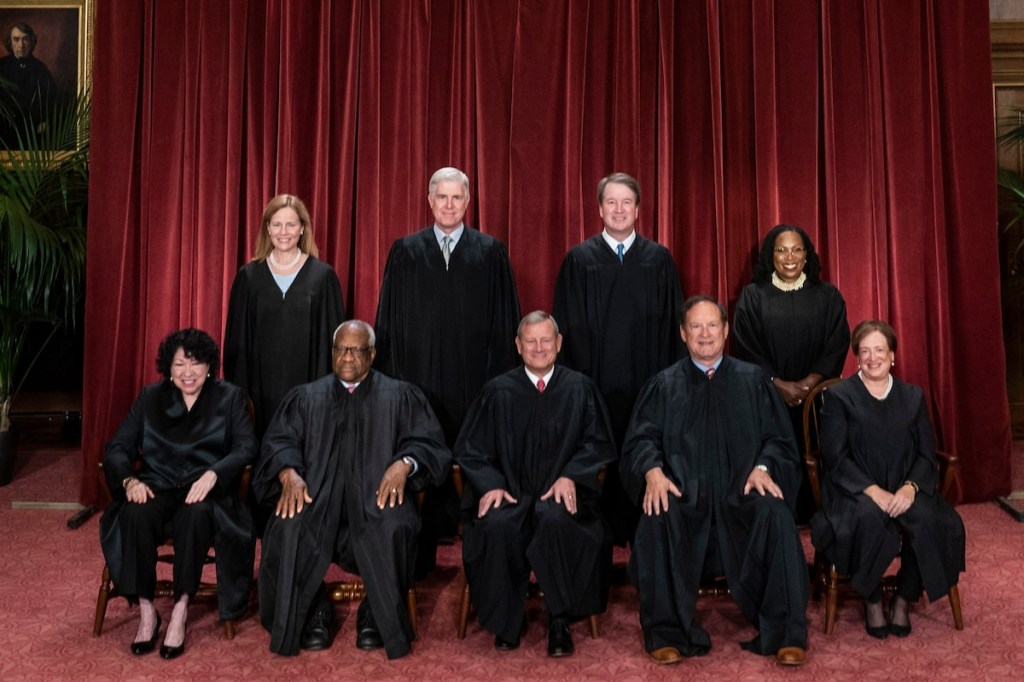
2024 Supreme Court of the United States
In a 6:3 partisan split, where Justices Sotomayor, Kagan, and Jackson dissented, SCOTUS sided with Loper Bright, and while doing so, rebuked the Chevron deference.
The majority’s opinion is pragmatic, in my opinion. We’ve covered the political arguments over this case fairly well, and the courts reiterated them.
They agree, that expert opinions, on areas where expertise is warranted, should be considered, and accepted, if they are reasonable interpretations, they don’t violate any constitutional principles, and it seems fair that the statute used to create that agency, give them the power to make such a regulation.
So the left’s argument that the courts are looking to overrule experts in areas that they don’t have expertise, is hyperbolic nonsense, usually reserved for assholes in congress, not the Supreme Court.
So as an example, if congress writes a law asking the EPA to regulate the air in such a way as to ensure healthy air to breathe for humans, and then the EPA writes a regulation saying the air should have no more than 100 parts per million (PPM) of some harmful pollutant, because studies have shown, that more than 100PPM is when it becomes statistically significant to human health, the courts will and should recognize the court is out of it’s bailiwick, and not try to answer that question better.
If the regulation in question however, seems more about statutory interpretation, then the courts can and should consider how they’d interpret it, and if they feel their interpretation is better, they should have no qualms smacking down the regulatory agency.
For example, if congress passes a statute asking the EPA to regulate the air quality, and the EPAs response is to enact some political scheme that bans fossil fuels, that may be a problem. The courts should consider that as a major question, and decide whether that’s an agency’s expertise, or a political question for congress to decide with the consent of the people.
Because, it’s possible fossil fuels could have a place in the market, along side cleaner energy, and banning them completely isn’t really science at all, but a political ideology being put into play.
Hear oral arguments, read about the case, and the opinion here at Oyez.com
Here is another great video from Yale law professor Jed Rubenfeld, explaining it more professionally, than yours truly.
While professor Rubenfeld seems to take an unbiased approach to these issues, here is another, less than unbiased interpretation from Legal Eagle.
log·i·cal: capable of reasoning or of using reason in an orderly cogent fashion lib·er·tar·i·an: an advocate of the doctrine of free will; a person who upholds the principles of individual liberty especially of thought and action





























 The Logical Libertarian™