Average Joe SCOTUS: Morgan v. Sundance, Inc.

You want to talk about arbitration clauses? Great! This is the SCOTUS case for you.

Back in 2011, AT&T Mobility LLC v. Concepcion, was a SCOTUS case where the majority ruled that arbitration agreements, under the Federal Arbitration Act (FAA), were to be treated the same as any other fucking contract.

The idea was, that once people agreed to arbitration via a contract, they couldn’t just be like, “Fuck this arbitrator, we’re going to court instead.” Presumably, congress also liked the idea of not tying up the courts with a bunch of nonsense that arbitrators could handle.

For those who don’t know, arbitration agreements are basically when two people enter into some sort of relationship, but before they do, they agree that if they have beef with one another which might result in them dragging each other’s asses to court, they’ll use an arbitrator instead. It’s cheaper and easier to settle disputes via arbitration than going to court, plus I’m pretty sure it’s not a matter of public record either, in case you don’t want your private matters on blast.
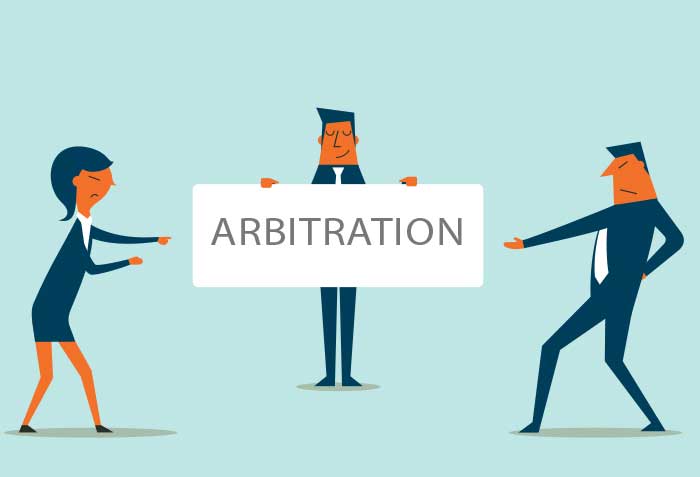
Your insurance is likely one example. They may have written into the policy that if you disagree with a decision, instead of suing them, you agree to go through arbitration. Whatever the arbitrator decides, you both agree to do that thing.

The arbitrator also must be impartial. Not an employee of other side, or even retained by one party or the other. In some instances, both parties hire their own arbitrator, then those two hire a third impartial arbitrator to be a deciding vote.

This case involves a humble Iowa Taco Bell franchise employee, named Robyn Morgan. The franchise owner is Sundance Incorporated.

Morgan argues that Sundance Inc. failed to pay her overtime as prescribed by the  Fair Labor Standards Act (FLSA), which basically says if you are paid hourly, and work more than forty hours in a seven-day period, you must be paid at least 1.5 times your normal wage.

Sundance, when hiring new employees, has an arbitration clause in their application for employment. Pretty standard shit, really.

Well, Morgan, apparently being unaware or uninterested that this was the deal, opted to sue Sundance instead of going to arbitration, starting a class action suit claiming her and many other employees like her, were underpaid for the overtime they worked.

It’s not that these assholes aren’t allowed to go to court, but they had a fucking agreement. If they both waive that agreement, and decide court is the best path, they’re welcome to do so.

Morgan was not the only person alleging Sundance were some no-overtime-paying assholes. There was another case, Wood v. Sundance in Michigan, who also claimed the same. Sundance apparently owns like 150 Taco Bells all over the midwest.

Anyway, when Morgan filed suit, again, it was a class action. So Sundance was like, “Hey, man. There’s already another case out there (Wood v. Sundance), so this bitch is double-dipping. If she wants to sue on her own, fine. But this class action shit is wrong, man!”

The court however, thought the class-action was perfectly fine, and allowed her to proceed.

But, Morgan and Wood, seeing an opportunity to join forces, went into mediation as a united front against those no-overtime-paying mother fuckers. They got a shit ton of payroll data from Sundance, and eventually Wood settled, but Morgan was like, “No way, Jose. We want more.”

At some point, someone at Sundance finally went, “Hey, uhh guys? Don’t we have an arbitration clause? I seem to recall that shit somewhere. Why are we settling this through the courts?”

Another Sundance rep was like, “Fuck, you’re right my brother. How did we forget that? We must have been stoned or something. Let’s file a motion to compel arbitration and stop wasting time with this shit in court, then go get some tacos.”

They tried to argue that they were afraid they’d have to arbitrate with the whole fucking class, which seemed like a pretty big ask, but then when SCOTUS ruled on a similar case, saying such things weren’t required, which gave Sundance the feeling of safety to think they could just push Morgan to arbitrate. But we all know, they were fucking high, forgot, and got the munchies for some tacos, right?

Supreme Court of the United States

Either way, Morgan was like, “The minute you decided to file motions and shit to prevent us from a class action, you fucking waived the arbitration agreement. We’ve spent money and time prepping for court, not arbitration. So you can fuck right the hell off.”

A district court heard Sundance’s argument, but was like, “Sorry you idiots. But you waited too fucking long to compel for arbitration. With all the time and money she spent, you harmed her by waiting around to ask for arbitration until after she spent all the scratch.” This harm indicates that she has been “prejudiced.”

But Sundance was unmoved, and filed an appeal with the 8th circuit, who didn’t feel Morgan was prejudiced by such a delay. Apparently believing any money she spent preparing for court, was also good preparation for arbitration.

Lower courts had used a three-part test to determine the case before it made it to SCOTUS:

  1. Did Sundance fucking know they had an arbitration clause in place?
  2. Did they behave in such a way that suggests they knew they had a fucking arbitration clause and intended to enforce it?
  3. Was Morgan fucking harmed (prejudiced) in some way by them doing what they did prior to deciding to enforce their fucking arbitration agreement.

The debate in this case, is mostly about #3—whether the petitioner (Morgan) has a burden to prove that the respondents (Sundance) waived the arbitration, and such burden, is more of a pain in the ass (shows prejudice) than other burdens a petitioner might have to overcome in contract law. Most other contracts do not need to show prejudice to be ruled unenforceable.

Since SCOTUS previously ruled arbitration agreements shouldn’t be treated as more special than other contracts, Morgan’s team argues that having to show prejudice means she’s required to do more, and thus violates Concepcion’s rule.

As arguments began, Justice Roberts, with the politeness of a 50-year-old Boy Scout, asked counsel for petitioner Morgan, Karla Gilbride, “So what the fuck do we do if there’s a state that has some arbitration-specific rule? Tell the state to go fuck themselves, and shove that rule squarely up their ass?”

Counsel Gilbride was like, “Yeah, basically. Did you even fucking read the FAA? It’s part of my briefs. All contracts created equally.”

Justice Roberts was like, “Well how the fuck do we define waiver then? Isn’t it a case by case basis? No one has a million fucking rules defining what is and isn’t a fucking waiver.”

Chief Justice John Roberts

“Sure, bro. But what the lower court got wrong, was that they added a requirement of prejudice. They did analyze the first two tests, and agreed it had been waived. But then, they added that third part of the test, requiring prejudice. That’s what we take issue with.” Counsel Gilbride responded.

Justice Kagan chimed in and asked if Iowa law had a prejudice requirement in state law for all contracts, would it then be acceptable here?

Counsel Gilbride responded, “If we’re going to discuss things that aren’t true in this fucking case, then sure, since that would apply to all contracts equally, it would jive with the FAA and would be OK.”

Justice Barrett had some monkey wrenches she wanted to throw at counsel Gilbride, so she was like, “Based on the lower courts three part test, I know we’re assuming that they waived their right to arbitration by engaging with the courts instead of asserting arbitration right away. But instead of waivers, aren’t we really talking about estoppel by laches?”

Associate Justice Amy Coney Barrett

What is estoppel and laches you ask? Great fucking question. I didn’t know either. It’s basically the idea that if you wait too long to assert a right, the court will prevent you from asserting it later. So the difference is that a waiver is something you do voluntarily, whereas estoppel is when the court basically waives it for you, and you don’t have a choice.

The reason this matters, is that estoppel by laches does require prejudice. Meaning, for the court to say, “Fuck you, you can no longer assert your right to arbitrate because you waited to long” they must show that the wait fucked up the other party. If so, this puts Morgan back on the hook for #3 of the three part test.

Counsel Gilbride responded, “You’re assuming we’re arguing we weren’t prejudiced, but we’re not and never have. We’re just arguing it shouldn’t be necessary to show prejudice to begin with.”

Counsel Karla Gilbride

For the respondents (Sundance), comes SCOTUS regular, counsel Paul Clement.

He opened that nothing in any of these laws or contracts puts a fucking time limit on when arbitration must be asserted.

So while those other assholes claim that us waiting to assert it is akin to waiving that right, that’s a fucking lie. It’s waived, when we say it’s waived. If you assholes want to prevent us from asserting our right, then that’s estoppel, and you have to show prejudice. But we didn’t do shit to that girl that caused her harm. We were just chilling out, waiting to see what made more sense.”

Justice Gorsuch, seemingly unconvinced by this argument was like, “Are you really trying to say that the courts can never decide you waived your right if there’s no time limit on asserting it? Because that seems pretty fucking crazy, dog.”

Associate Justice Neil Gorsuch

Counsel Clement was like, “If it’s obvious we waived it, sure. But clearly we never made any effort to suggest we voluntarily waived it. They are just assuming that, and trying to get the court to impose it, which then becomes estoppel, and then requires prejudice. This isn’t rocket surgery, man.”

Justice Kavanaugh asked about the lower courts determination that there’s a “presumption of forfeiture” if you don’t demand arbitration in your first response. Once you agree to engage with the courts, you’re waiving arbitration.

Justice Kavanaugh also questioned the idea that Morgan wasn’t prejudiced. Any delays by Sundance due to motions and discovery are going to add costs to Morgan’s case, and that is certainly causing her harm.

Counsel Clement argued that other courts generally don’t require invoking arbitration at the first response, but instead, consider it waived if there’s a shit-ton of requests for evidence (known as discovery) and such that the defense requests for court.

Counsel Paul Clement

Justices Kagan seemed to be having none of Clements arguments, though. While he continued to hammer the point that just filing a few motions in court doesn’t mean his side waived their right to arbitrate, Justice Kagan accused him of just making up rules of default for his own benefit.

But the real dagger was justice Sotomayor chiming in, who laid out all the ways Sundance delayed and stalled, filed motions, and entered into settlement talks, all the while knowing they had an arbitration agreement they weren’t demanding be honored.

By their own admission, they were gambling on another SCOTUS case to see how it was decided, which would then give them a better understanding if they should litigate against the class action, or force arbitration. That decision to gamble, in her mind, was a fucking waiver of their right to arbitrate.

In a unanimous decision where Morgan wins, SCOTUS ruled indeed that the Sundance waived the right to arbitration when it engaged in litigation versus compelling arbitration. Morgan does NOT have to show she was harmed by their actions (prejudiced) before trying to compel arbitration, because that would then be a unique requirement for arbitration agreements, putting them on some unique tier, above other contracts, and that’s some straight up bullshit.

Listen to oral arguments or read about the case at Oyez.com and/or SCOTUSBlog

Anti-War ≠ Anti-Self-Defense

Imagine a libertarian in the United States. It’s midnight, and he’s sitting at home in his underwear, binge-watching Better Call Saul reruns when he hears the door knob rattling. He spots the silhouette of a suspicious figure trying to gain entry. Is this person looking to rob the house, harm the homeowner, or who knows what?

So anyway, what does the libertarian do? He grabs his gun, which is basically required of all libertarians to own, and as soon as this miscreant steps an uninvited foot into our hero’s home, Captain Liberty turns him into Swiss cheese!

i-started-blasting-so-anyway-i-started-blasting[1]

Libertarians are staunch supporters of the Second Amendment and the right to bear arms because they believe it levels the playing field in potential combat situations between individuals.

In the pursuit of freedom, people must have the means to defend themselves using the tools available to them. While it’s possible the intruder is a 120-pound weakling with no weapon and minimal combat skills, our libertarian homeowner, clad only in his underwear, can’t afford to take chances. He must prepare for the worst and ensure that he’s in the best possible position should a confrontation ensue.

As someone who identifies philosophically with libertarianism, I agree with this sentiment entirely. I own several handguns, which I have placed strategically in my home and cars in case someone hurts my feelings. I’ve never drawn down on anyone, but if me, friends, or loved ones are threatened, I’ll do my best to end the threat.

Contrast all this with another tenet of libertarianism—the peacenik. Someone who is staunchly anti-war. How can one support owning a gun as a right, but still be all about peace?s-l1600[1]

I’d like to think most people understand that being anti-war doesn’t mean anti-self-defense. Many reasonable libertarians agree the country should have a military prepared to defend our nation, in the same manner as they personally might be armed in such a way to defend their home.

The issue I’m raising here, is about being unprepared.

Today, we face potential threats from Russia, North Korea, and China, and the specter of a catastrophic conflict looms, especially if nuclear weapons come into play.

This scenario seemed very unlikely 10-15 years ago. Even President Obama seemed oblivious to the idea Russia could be a threat. Remember this debate where he degraded Romney’s opinion on Russia?

This issue is where I often find myself breaking with ideological libertarians, because as someone who places logic & reason over ideology, I think being prepared for the worst-case scenario, is the wisest thing to do.

I also oppose wars of aggression. We shouldn’t be attacking others who weren’t threatening us or our allies. However, it’s naive to assume that we won’t face a serious threat at some point. We must ensure we’re fully prepared. If attacked, we should respond with overwhelming force to swiftly end the conflict. Appearing weak and easily exploited is not a winning strategy.

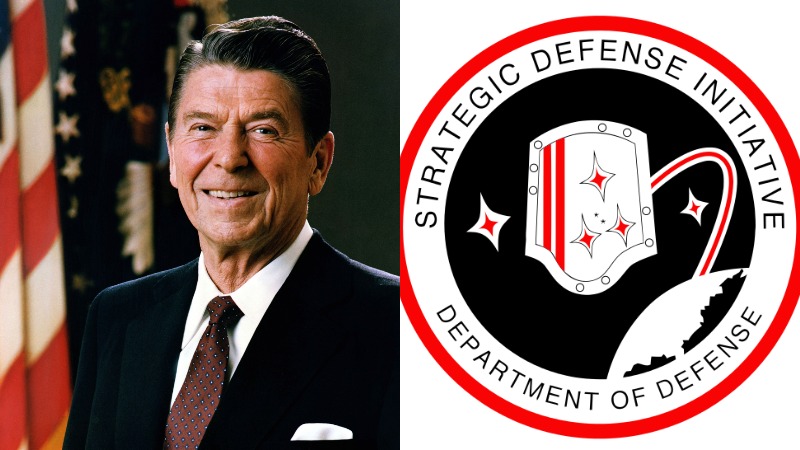
Those who were around during the Reagan era, might recall the talk of a Strategic Defense Initiative (SDI) program, also known as “Star Wars.”Strategic Defense Initiative SDI Star Wars

To say this program was ambitious, would be an understatement. I won’t try to explain how this system worked entirely, but it was multi-faceted, expensive as hell, and involved things like space lasers.

Reagan felt nuclear weapons were inherently immoral, and that eliminating the threat of them from Russia at the time, was in the interest of all mankind.

But as the Berlin Wall fell, and Russia became our BFFs, the need for such initiatives was considered obsolete. So spending on such technology was thought to be frivolous and wasteful.

Many libertarians go a step further and bash military spending almost entirely, using derogatory terms like “bootlicker” for anyone who disagrees with them.

Such insults hinder productive debate and reveal a lack of intent to discuss the topic fairly. We can acknowledge instances of wasteful military spending while recognizing the importance of maintaining a strong defense against existing threats.

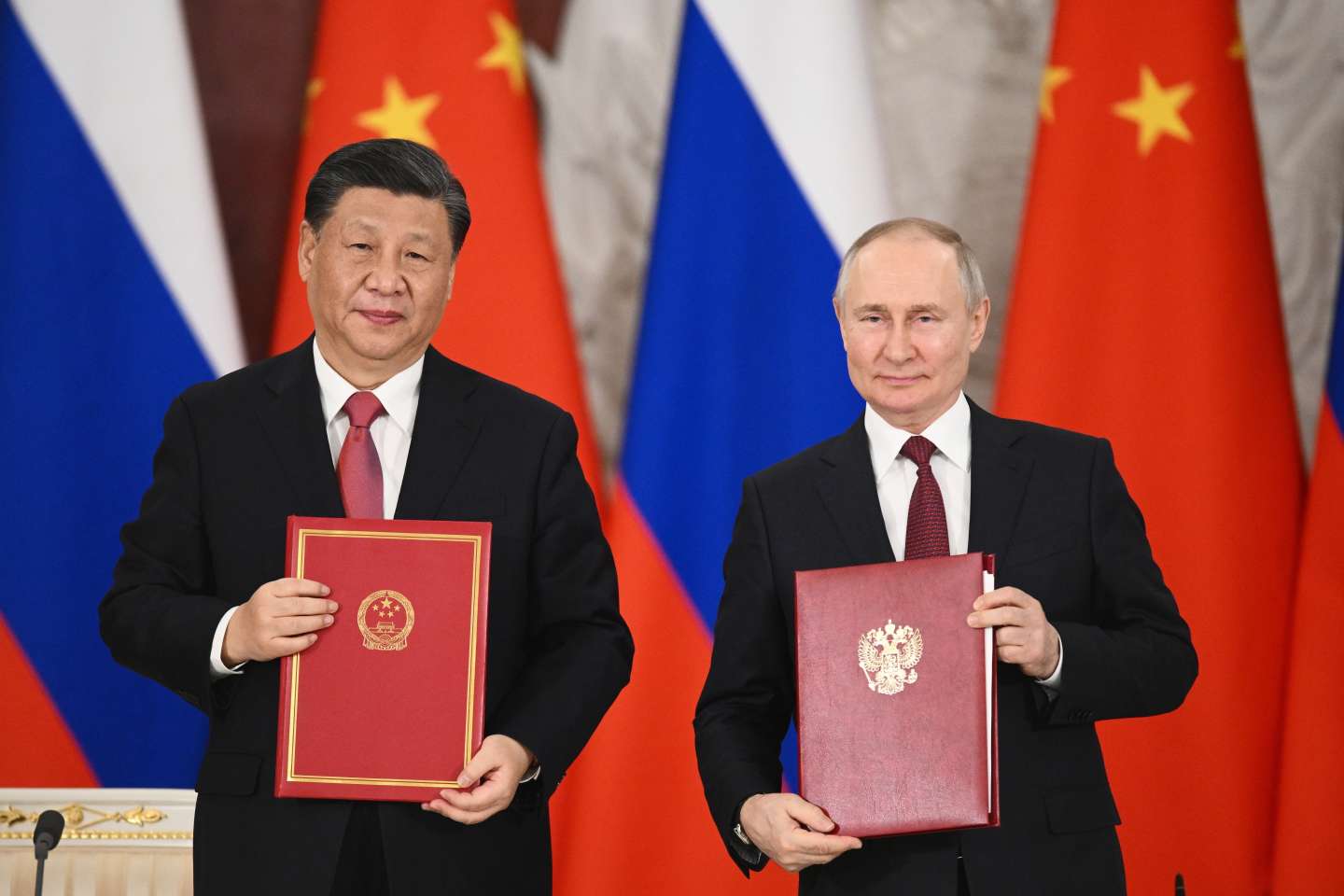
While it’s true Russia and China were largely friendly to the United States between Reagan’s tenure and now, we find ourselves in a position of defending Taiwan and Ukraine, and in so doing, being under threat of nuclear attack from countries we thought were our friends.

APTOPIX Russia China
Russian President Vladimir Putin, right, and Chinese President Xi Jinping pose for a photo during a signing ceremony foillowing their talks at The Grand Kremlin Palace, in Moscow, Russia, Tuesday, March 21, 2023. (Vladimir Astapkovich, Sputnik, Kremlin Pool Photo via AP)

We should all be able to agree there are instances of large wasteful spending on the military. Especially when it’s for a weapon the military says it has no need for.

But being anti-war should not mean cutting spending in such a way as to make ourselves vulnerable to an existing threat.

While China and Russia were becoming rather friendly with the US, they weren’t exactly eliminating their nuclear arsenal—the threat was there the whole time.

Ronald Reagan was right that the best thing we could do for the future of mankind, was to find a way to make such weapons “impotent and obsolete” as he put it.

Libertarians are correct to oppose wars of aggression. But just as they keep guns to protect themselves from unlikely threats—it would be hypocritical to think the US and our NATO allies shouldn’t advance technology to eliminate the threat of other nations, even from those we currently consider friendly.

The free world should understand that Oppenheimer and company opened Pandora’s box of human mass eradication, and working towards systems that can neutralize that threat is spending that shouldn’t be criticized nearly as much as it is.

Robert Oppenheimer
Robert Oppenheimer 1956 by Yousuf Karsh

We are on the brink of human extinction from not one, not two, but two and a half dictators (I’m not elevating North Korea to the level of Russia and China). While they were friendly once, the threat never fully went away, it was just our resolve to prepare for it that did. That lax attitude could end us all.

Our current defense systems are thought to be about 50-60% effective at stopping such weapons from hitting their targets. That’s not good.

If we were to face a nuclear catastrophe at the hands of Russia and China, it might have been preventable had we stayed vigilant. Remember the old adage: Si vis pacem, para bellum – if you wish for peace, prepare for war.

Your Feelings Probably Aren’t Valid

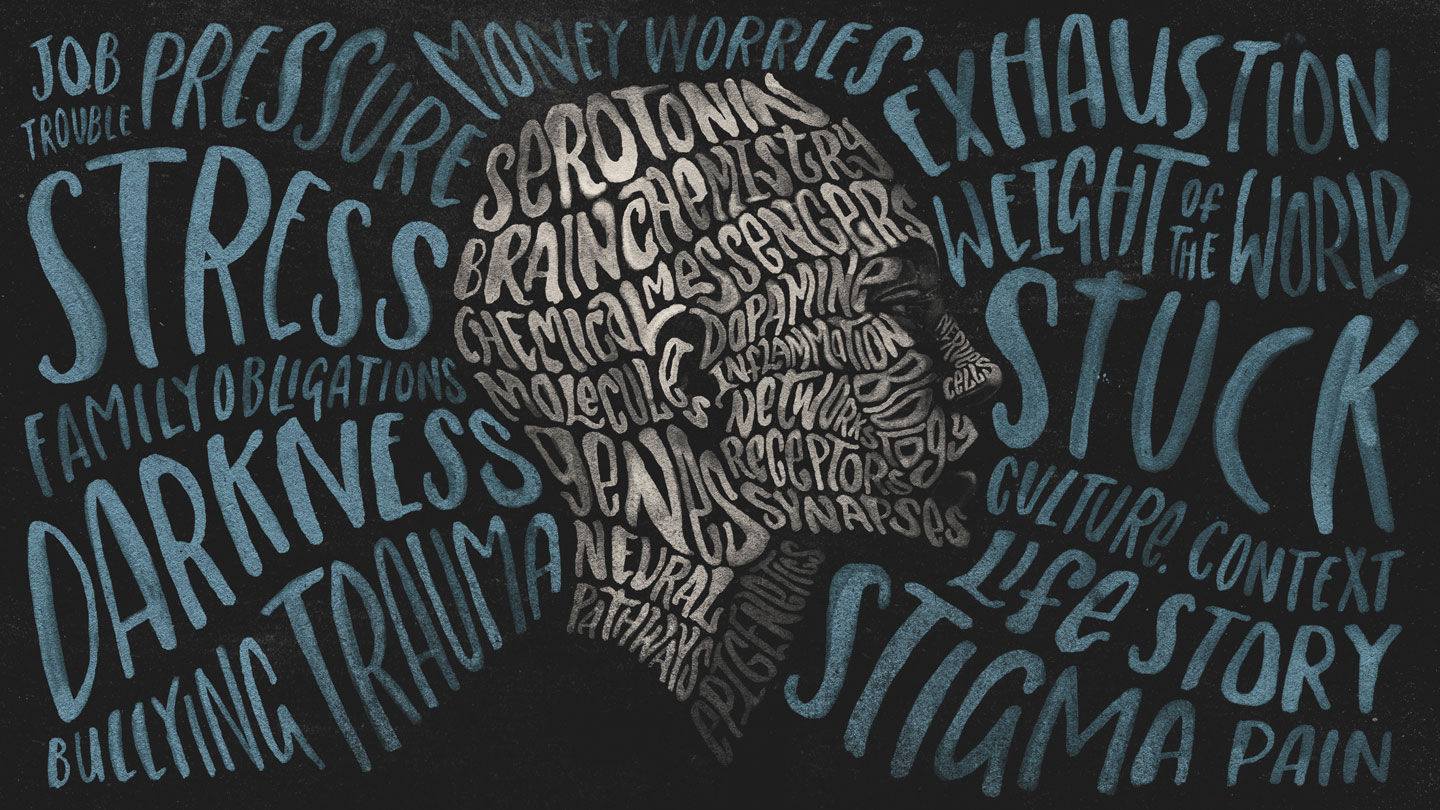
In today’s world, a prevailing theme centers around the belief that everyone’s feelings are valid. The underlying message is clear: people are constantly grappling with emotional struggles, and the outdated advice to “suck it up and tough it out” is not only misguided but also detrimental to society’s collective mental well-being.

Things like clinical depression, and other depressive disorders can’t just be prayed or willed away. They are the result of something gone awry within the network of our minds, and should be treated with sympathy and science, not dismissive attitudes.

Families and friends alike should be more inclined to ask how their loved ones are doing. Not just out of politeness, but instead, out of a desire to help—to be an outlet for someone they care about.

But it’s important to do it in a way that’s helpful. It shouldn’t have a “suck it up” tone, nor should it be a deflection such as suggesting you both go get drunk. Let them know that you care about them, and you’re willing to listen and/or help—full stop.

This approach mirrors the fundamental principles of therapy practiced by psychologists, where empathy and understanding are paramount.

Yet, amid this push for acknowledging feelings, it’s essential to recognize the fine line between validating emotions and enabling harmful beliefs. Telling someone their feelings are valid implies that their emotional response aligns with the situation they are confronting, even when this may not be the case, especially for individuals dealing with disorders such as bipolar disorder.

The potential pitfall of validating feelings is akin to committing a logical fallacy known as the Strawman Argument.

A logical fallacy is an argument someone uses that suggests one thing MUST lead to another, when that isn’t true. This fallacy arises when an argument misrepresents someone’s position to make it easier to attack.

In the case of a straw man argument, an example would be if I say, “I like Coca-Cola.” Someone who hears this responds, “Oh, so you hate Pepsi? I can’t trust anyone who hates Pepsi.”

The issue should be obvious that in my statement, I didn’t even mention Pepsi. It’s entirely plausible I like both.

Yet the person arguing against me made an assumption that I hated Pepsi, and argued against that “straw man” of my argument, instead of my actual argument that I simply like Coke.

Make sense?

So why does this mean people’s feelings aren’t valid?

Imagine we meet someone who seems really depressing and cold to talk to. Our feelings might lead us to believe they’re a jerk. Now imagine, we find out this person just got news that they have terminal cancer. Do we still feel that they are a jerk, or do we now realize that we’ve misread the situation?

The fact is, too many of us make assumptions based on far too little information, because it’s uncomfortable feeling like we don’t know things. We think it would mean we’re stupid. So we make up our minds before having even remotely enough factual information to fairly do so.

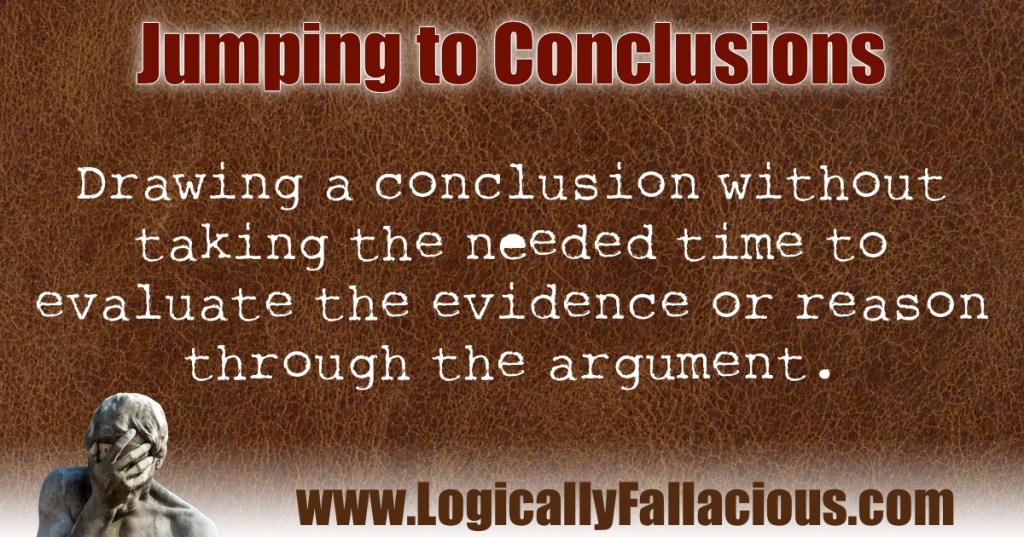
Through these exercises of jumping to conclusions through false assumptions (the equivalent of straw men), we develop feelings that are often invalid. What’s worse is we often get those invalid feelings reinforced by a society that tells us our feelings are always valid.

We see this play out with people who have taken offense over something. If we are offended at someone, it should be based on the idea that they’ve been disrespectful to us or others.

But being disrespectful requires intent. It is an act of knowing someone wouldn’t like something, and yet doing it anyway. But what if the person who did the thing that offended us had no clue we’d find it upsetting. Maybe they thought we’d find it funny, or completely benign. Were they disrespectful to us? We shouldn’t be able to accidentally disrespect someone, that’s not how any of this works.

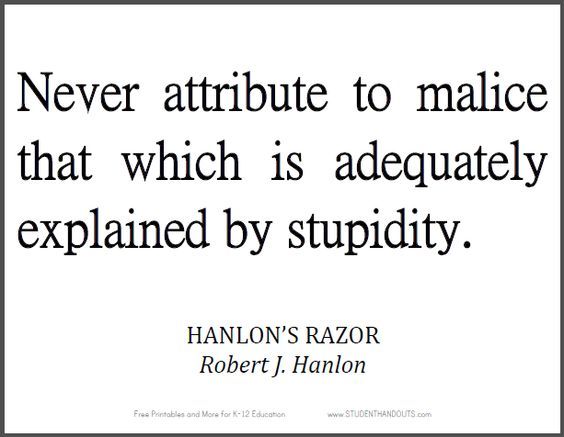
Hanlon’s razor is a good thought on this subject. It says,

The point being, next time we see someone on the internet upset about how disrespectful someone else was, we should first consider whether there’s an explanation that isn’t disrespectful, such as they didn’t know better.

It’s also important to consider if it’s really something to be bothered by in the first place. Society has become obsessed with having reasons for outrage. It makes sense, because the more upset we are about something, the more attention we’ll often get.

It could be because people already agree with us on other stuff, so they don’t want to disagree with us now.

As much as I hate to say it, maybe we’re attractive and people want to hook up with us, so they’ll support whatever nonsense we’re upset about.

I would bet at least $107, if you put an attractive woman on the internet, and have her talk about how all the hate that’s directed towards Nazi’s is wrong, you’ll have a thousand guys respond with an argument as to why they agree, Nazi’s aren’t that bad, they just have a different opinion than the rest of us, and people should be more kind to them.

The point of my post is this. Next time we find ourselves offended or upset by the actions of others, we should take a moment to consider whether there is a scenario where this was innocent. If we can think of at least one, then assuming it must be the worst scenario isn’t fair of us.

One option is to assume the innocent scenario, but that may also be wrong.

A better option is to ask questions of the person if we’re able. This isn’t always doable if the person is famous, but if it’s a friend or an acquaintance, making the effort to ask, “What did you mean by that?”, could be the difference between a fight versus an respectful and interesting discussion.

One of the biggest errors humans make, is the false dichotomy. The idea that there are only two sides and we have to choose one of them.

Maybe an interaction between a cop and citizen goes awry. If we think blue lives matter, we might assume the cop is in the right. If we think cops are bad, we might assume the cop is a serial rights violator. But there are at least two other options.

It could be that both of them behaved poorly. Maybe the cop was being a jerk, but instead of trying to deescalate the situation, the citizen decided to antagonize the cop and ended up making it worse.

The best reaction however, is to simply accept we weren’t there, didn’t see it all, we’re likely missing some context, and thus shouldn’t choose a side at all. Instead, being 100% ready to accept new information if it comes to light is the best way to think.

So next time we find ourselves with excessive emotions, unless a loved one has just died, or a national tragedy occurred, there’s a good chance our feelings aren’t as valid as we think they are. Especially if those emotions are us taking offense at something.

We are responsible for our emotions, not others. It’s up to us, to learn to let stuff go instead of stewing in a cauldron of rage which we lit the fire under.

Sometimes, we will benefit from just taking the time to analyze the situation with questions like:

Is this something I’m going to care about tomorrow?

If there another explanation for this that isn’t offensive?

Do I know this person intended to be disrespectful to me?

What role did I have to play in this situation going badly, and could I have handled it better? (Self-awareness)

Being full of rage requires a lot of concentration on that rage. The mere act of asking ourselves questions as I outlined above can often distract us from our rage, and push us onto a new set of train tracks from the rage train we were on, to one of emotional mastery. Not to mention the friendships we might save along the way, leading to happier and healthier lives.