In the United States, we treat our military with a certain amount of reverence and care.
I assume most people know, that if you’re enlisted in the reserves or National Guard, which are temporary military roles where you serve a handful of weeks a year, and one weekend a month, that your employer cannot discriminate against you in some way, for doing this, either before you were employed with them, or during so.
Meaning, if you were enlisted first, and apply for a position, your employer can’t decline to hire you, because of your military status.
If you were employed first, and then opt to join the reserves after, same principle. You’re company cannot fire you, because they know you’ll now be missing time, that you otherwise wouldn’t, playing with guns, tanks, airplanes, and shit.
Another facet of this law however, is if you happen to get called to go kill some fucking terrorists, or other random enemies of the United States, your employer must have a job for you, when you come back.
It’s not so much that they have to keep your job open—that’s unfair to just not have that work done at all, while you’re gone.
So, when a soldier returns home, if their employer can return them to that job, great. Otherwise, a job of similar work, and equal or better pay, will suffice as well. Basically, the soldier shouldn’t be harmed or underpaid in any way, because they were missing for a year or two, snuffing out some assholes on your behalf.
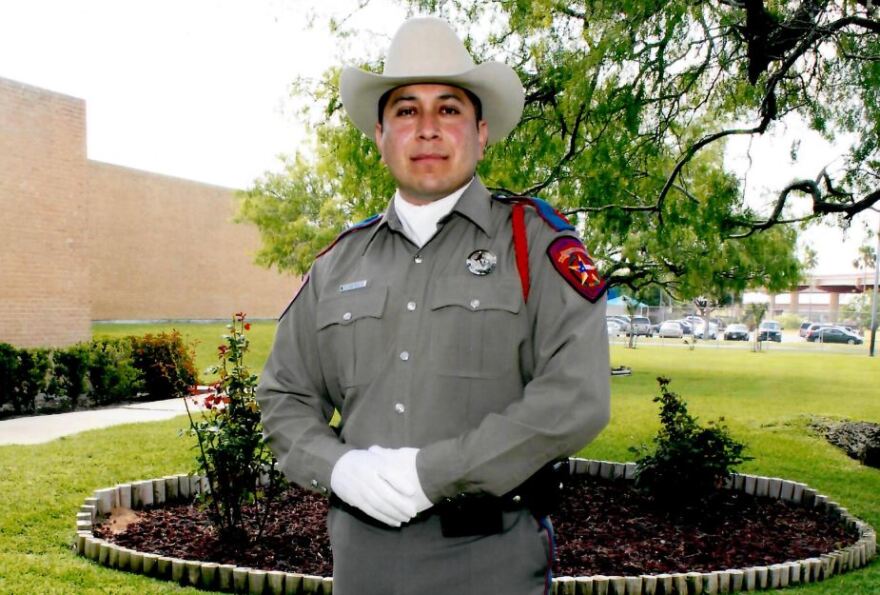
Now that you understand that, in walks a damn-fine American, Leroy Torres, who joined the Army Reserves in 1989, became a Texas state trooper in 1998, then in 2007, got sent to Iraq to fuck some shit up.
However, while in Iraq, what got fucked up, were his lungs. So in 2008, he was honorably discharged for medical reasons.
Our military has a long history of doing whatever it takes to get shit done, sometimes throwing caution to the wind. A less than glorious part of this in Iraq, was getting rid of chemical waste and other dangerous things which they felt needed to be destroyed.
Did the Army create special hazmat disposal sites, with fancy equipment and shit to protect people getting rid of it?
Well…
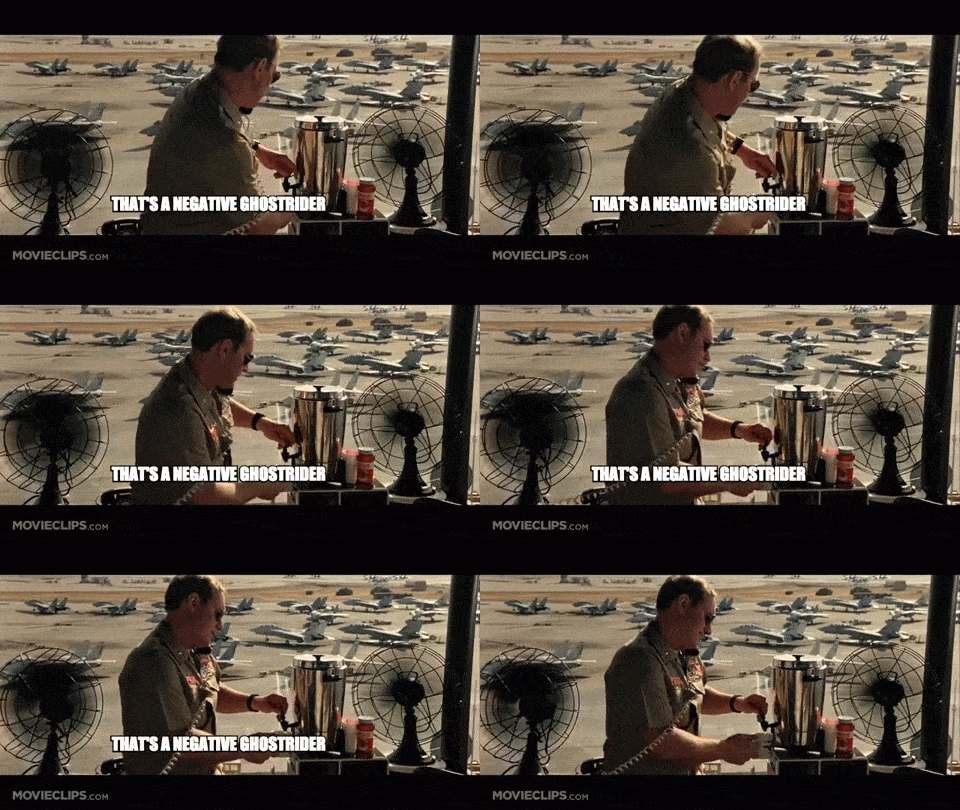
Clip of the federal government responding to soldiers asking for special hazmat disposal equipment in Iraq
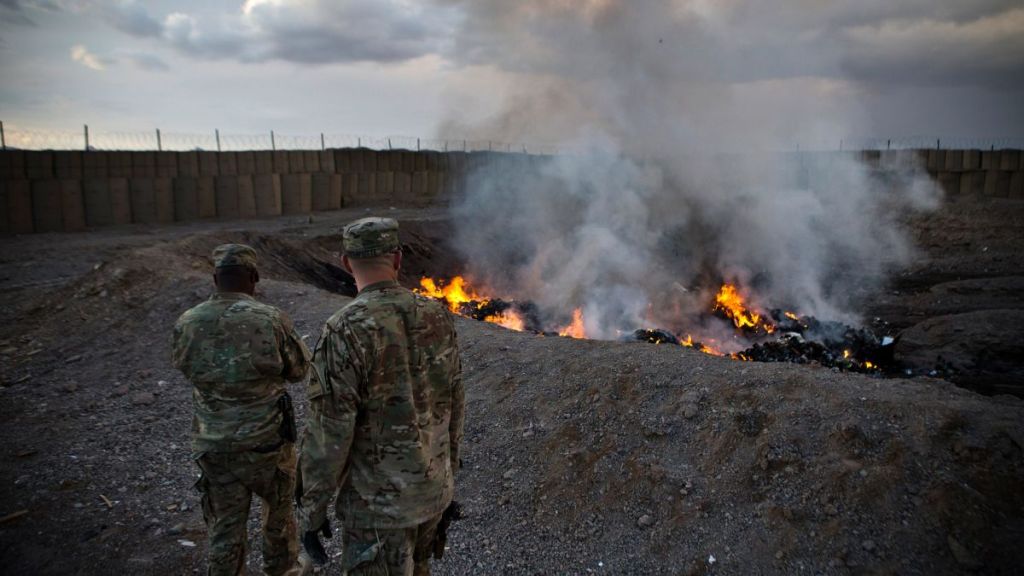
Instead, they dug some big fucking holes, tossed the shit in, and like any real man would do, lit that shit on fire—it’s our love language.
But as you can imagine, the fumes did some serious, and irreparable harm to these fine men and women, engaging in extreme s’more manufacturing.
Let’s be clear about what he endured. A shitload of ER visits, which the Veterans Administration tried to deny paying for, attempts to deal with his condition with unproven alternative therapies, which us pro-science people consider especially heinous, as it’s often charlatans bilking people in need, with therapies that have no evidence supporting them. Then, most sadly, he made a choice to deal with it in the ultimate way—committing an act of suicide, which was thankfully unsuccessful.
Iraq Burn Pits
Seriously, any soldiers who may stumble upon this, know you are loved, respected, and cared about. Please don’t ever consider ending your own life.
Seek help—there is so much available to you, both professionally, and from family and friends. Never be afraid to tell people how you’re feeling. No one will judge you negatively for it.
I have many veteran friends, and I’d be honored if they came to me to talk about their struggles—certainly not bothered in any way. I promise I’m not unique in this.
The people around you, that you think would be better off if you were gone, absolutely do NOT think they’d be better off if you were gone. They love you and care about you, and would miss you immeasurably if you were.
We all have our pride, but never let pride get in the way of asking for help. There are people out there who are fucking great at helping you deal with these things. Let them do their job, and you fight the most important fight of all—being around for your loved ones.
Well, his health issues really tested the limits of USERRA. He could no longer carry out the duties of working for the Texas Department of Public Safety (DPS) as a Texas State Trooper. The only job they had for him, was a low-level temp job, which he wasn’t interested in, as it felt pretty demeaning and unfair to him.
Leroy Torres
So Torres argued that he was effectively being discriminated against because of his military service and ensuing physical injury, which USERRA prohibits.
Torres would go on to become quite the champion of his fellow burn pit victims, and eventually help to create the PACT Act, which aimed to make sure other burn pit victims didn’t have the VA issues Torres did. It was eventually signed into law by President Biden.
I don’t want to deviate too much from the case, just know that the issues arose from the VA not acknowledging that the illnesses these soldiers faced, were because of the burn pits. As such, they denied covering them. It was an especially heinous act from whomever was running the VA at the time.
So, is this why were at SCOTUS?
Well, no.
I don’t know if we’ve really talked in detail about this, so let’s cover it now. I know we’ve covered that SCOTUS is almost always an appellate court —as opposed to original jurisdiction.
The way appeals work, and I’m simplifying, is you have your initial day in court. Along the way, you think the judge or the opposition, are unfairly harming you and your case. So you (via your lawyer) yell…
I know on TV, it just looks like a baller thing to do. But it also is a legal distinction that you’re putting on the record.
Imagine you lose the objection, and the judge overrules it, then you end up losing. If you believe the objection was valid, and it being overruled was the reason you lost the case, you can appeal that objection.
What people tend to think, is if you lose a case, you go to an appellate court, and they hear the whole fucking case again. Well, they don’t.
If you’ve listened to any of these oral arguments, think back on them, and you’ll see what I mean.
All the appellate court does, is hear the arguments about your objection, decide if it was wrongly overruled (or vice versa, if the opposition objected and it was sustained).
If they agree with you, they basically correct the overruling, send that shit back to the lower court to re-review, potentially rehear the case, and then redecide based on the new standard they set.
So in this case, the issue at hand for SCOTUS to decide is whether USERRA is allowed to step all over Texas and its state sovereignty, and allow Torres to sue Texas.
Texas however, argues that the federal government, via USERRA, has no fucking right to tell Texas Super Troopers to take better care of Torres.
If Torres wins, then Texas cannot make the argument that it’s their sovereign right to employ Torres how they want. Got it?
On to the arguments.
First up, counsel Andrew Tutt, in his first time arguing before SCOTUS, representing Mr. Torres
He opened by pointing to the constitution’s language on the federal government’s power to have a military, and defend the nation with it. Then, he argued, only a fucking idiot would think that the states would have a right to interfere or reject that power.
As such, USERRA, plays a pivotal role, in the federal government’s ability to build a fucking military. Who the fuck would join the reserves if the federal government didn’t have the power to make and enforce laws like USERRA?
So it follows that DPS are fucking idiots.
He was stumbling over his words a good bit, at least enough for me to remark on it, but hey, it is his first time here. I’ll cut him some slack.
Andrew Tutt
At issue is whether the federal government can pass a law allowing private citizens to sue a state.
Justices Roberts started by asking about previous cases Allen and Katz.
We’ll talk about Allen first, which is from 2019 case Allen v. Cooper. In that case, a photographer had taken photos of Blackbeard’s Treasure, which were taken in North Carolina. NC liked the photos so much, they put them on their own website, without even asking Allen permission to do so.
He sued the state for copyright infringement. But NC showed him, they passed “Blackbeard’s Law” which basically said they couldn’t be sued for using works which the federal government had copyrighted. Cheeky naming the law after a fucking thief, which they then used to steal someone else’s work.
It was eventually repealed in 2023.
SCOTUS agreed in that case, that the state had a right to pass such a law, and that law trumped federal law protecting copyright holders. Therefore, Allen was shit outta luck, getting NC to pay him for their use of his photos. In so doing, SCOTUS invalidated the federal law called the Copyright Remedy Clarification Act (CRCA).
This matters for our case today, because it basically says that the states can tell the federal government to go fuck itself, under certain conditions.
Conversely, Katz is a 2005 case called Central Virginia Community College v. Katz. This dude named Katz was owed some money from several state-run colleges, through bankruptcy. Virginia tried to argue state sovereign immunity meant they couldn’t be sued. But the SCOTUS at that time said the federal bankruptcy laws trump state sovereign immunity, and they have to pay.
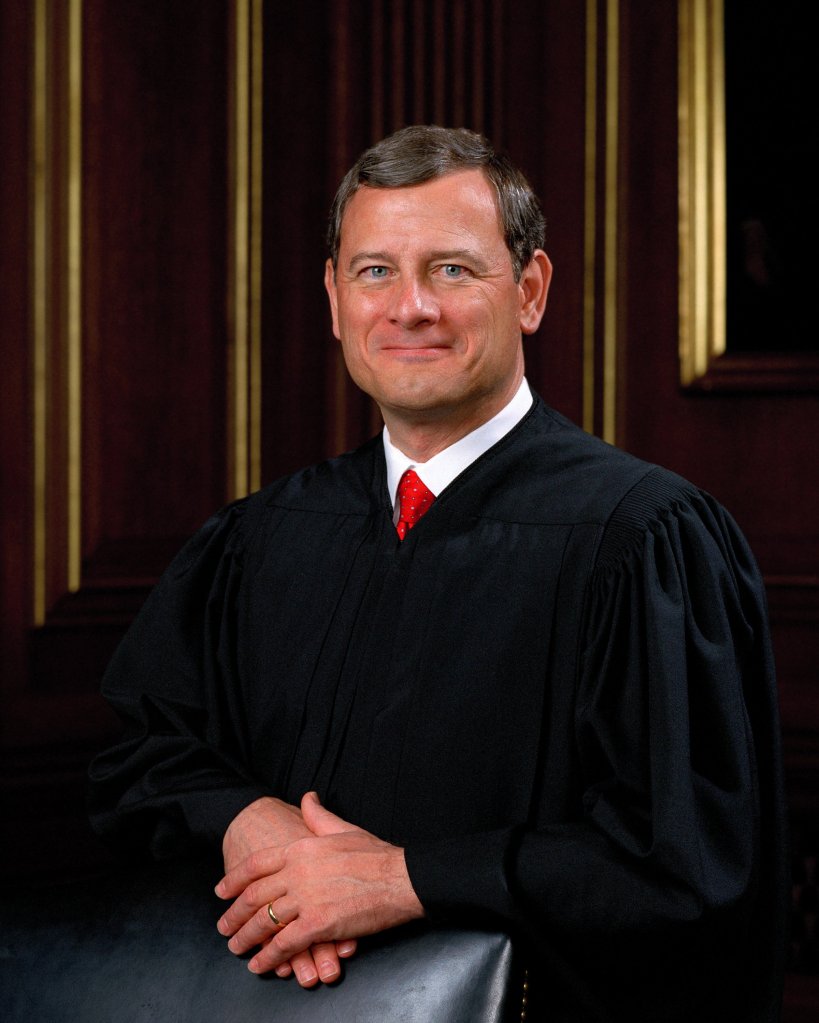
Supreme Court of the United States Chief Justice John Roberts
So you see the conflict here. Allen accepted the states could pass a law preventing themselves from being sued, but Katz said states couldn’t just not pay someone they owed, because federal bankruptcy laws trumped any state law saying it didn’t have to pay.
Torres, in his briefs, cites Katz to support his case. But Justice Roberts’ question was asking, if Allen seems to be so contradictory to Katz, doesn’t it stand that Katz was narrowly decided on just bankruptcy grands, and not trumping state sovereign immunity altogether?
Justices Barrett and Kagan also seemed very curious about this point.
Counsel Tutt seemed to suggest that these two don’t conflict with each other, because one is about canceling state sovereignty altogether, whereas the other is merely about a waiver under certain circumstances.
Justice Barrett suggested that the difference seemed to be that bankruptcy, and eminent domain powers, which override state sovereignty, are the result of court proceedings. Suggesting that you’d have to get some victory in court, before you can tell the state to go pound sand up their ass.
But in Torres’ case, he’s relying on some federal law invalidating a state’s sovereignty, as opposed to constitutional powers, or a court decision.
Justice Kagan, being confused by his rational, asked:
Complete the sentence for me. The war powers are different because what?
Associate Justice Elena Kagan
Counsel Tutt replied:
The war powers are different because they are conferred unconditionally and without qualification.
His argument going back to his opening statement, that the framers intended for the government to be able to form an army, or militia, in times of need. And that since there was no land that wasn’t part of a state, the war powers would have no men to choose from, if they didn’t pluck them from the states.
Justice Kagan asked about a similar situation where the federal government, to protect native American rights, passed the Indian Commerce Clause, which purported to tell the states, they had no authority over Indian tribal lands, and SCOTUS then told congress, they could suck a giant Indian dick.
Justice Kagan, kept hammering, saying that they seem to be asking the question that during the framing of the constitution, they would have had certain expectations about what state’s had as rights, and what they didn’t. She was having a hard time expecting that the states wanted to allow the federal government to force them to give a militia person a cushy job.
Counsel Tutt again pointed out that the constitution makes it very clear, that the federal government’s war powers are sacrosanct. Whereas the federal government’s rights to tell states they have no power over native Americans, isn’t covered in the constitution in any way, and was just a power-grab attempt by congress that the court rightfully struck down.
Justice Barrett agreed that the war powers were rather strong, from the federal government, and that the government could sue Texas over this, if it wanted to. But where does it give Torres himself this power to sue them?
Associate Justice Amy Coney Barrett
Counsel Tutt was like, “the federal government, when it passed USERRA, knew that the best way to protect those rights, was to give them to the people it was intending to protect, the power to sue on their own, so they wouldn’t rely on the federal government.
We all know, government workers are inefficient and lazy (except for you assholes in robes), so better to remove them from the equation.
He even cited that there had been thousands of examples where people did attempt to go through the department of labor, and those worthless fucks did nothing in all but nine cases.
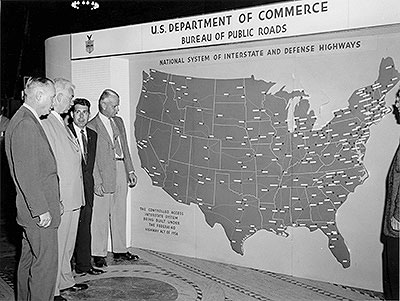
Justice Alito then chimed in and pointed out that the federal interstate highway system was created under war powers, and forces states to build the interstates within their borders (with funding from the federal government).
So Alito asked, can someone sue their state for having a shitty interstate highway that damages their car?
Tutt seemed rather surprised by this question, but trying to think quickly on his feet, simply suggested that there may be a limit on the war powers, that the federal government imposes on itself, but that the states don’t get to limit it.
He pointed out that while congress used the war powers to justify the interstate highway system, that is just a connection they made, and certainly not what the framers had in mind when they created the war powers.
However, recruiting soldiers sure as fuck is. It’s pretty much the one thing that has to be part of the war powers.
He goes on to say that Texas seems to think that the constitution considered the war-making powers strong, but still wanted the states to retain power to rebuke those powers where it saw fit, and he thinks that’s just fucking nonsense. He argues that they instead, specifically gave up that authority in this context.
Justice Thomas sought to understand where there were instances of state sovereignty being waived for money damage suits?
Associate Justice Clarence Thomas
Counsel Tutt pointed out several instances where the federal government had sued states for monetary damages.
But then Justice Thomas was like, “I’m not too fucking concerned about the US government, I’m concerned about private people suing states.”
But counsel Tutt was like, “That shit matters, Justice Thomas. Because these assholes over h’yar, say that if this case had all the same facts, but were The United States v. Texas Department of Public Safety, they’d wouldn’t have fought it.
So we’re saying, that it shouldn’t matter who’s suing, what matters is the merits of the claim.
One thing that is often brought up in this case, is a “Plan of Convention” argument, versus abrogation.
Yeah, I had to look that shit up, too.
So, in order to protect states from just having law suits falling out of their ass like never-ending diarrhea, the states are indemnified from the people suing them, except where they specifically agree to be sued.
I know it sounds kinda fucked up that states have to agree to being sued. When would they ever consent to be sued? That sounds weird.
Well, they don’t mean, like, “OK, you can bring this suit against us.” They’re referring to a time where they accept that they’re not immune (or are sovereign) in certain instances, then down the road, one of those instances occurs.
“Plan of the convention” refers to the meetings the states had, when creating the constitution.
Constitutional Convention
So counsel Tutt’s argument is basically saying, that by the states ratifying the constitution, including the war powers clause, they consented, or waived the right to immunity, over any violation of the war powers clause at convention of states, when they created the constitution.
So his argument is, that there’s no need for the courts to cite precedent, laws, or anything else. This is a “Plan of Convention” waiver of state sovereignty.
It gets tricky for him, because other constitutional issues, like commerce, coining money, and a bunch of other shit, haven’t traditionally been considered to override state sovereign immunity, and the justices have repeatedly sought to understand why counsel Tutt thinks this is different.
His argument is that the war powers provision, is fundamental, to the whole of this nation, to protect itself from not being a nation anymore. Those other punk ass provisions, deal with how the nation should operate among the states. So since the states sort of compete with one another in our commerce system, they band together to defend the nation. That seems to be his distinction on that.
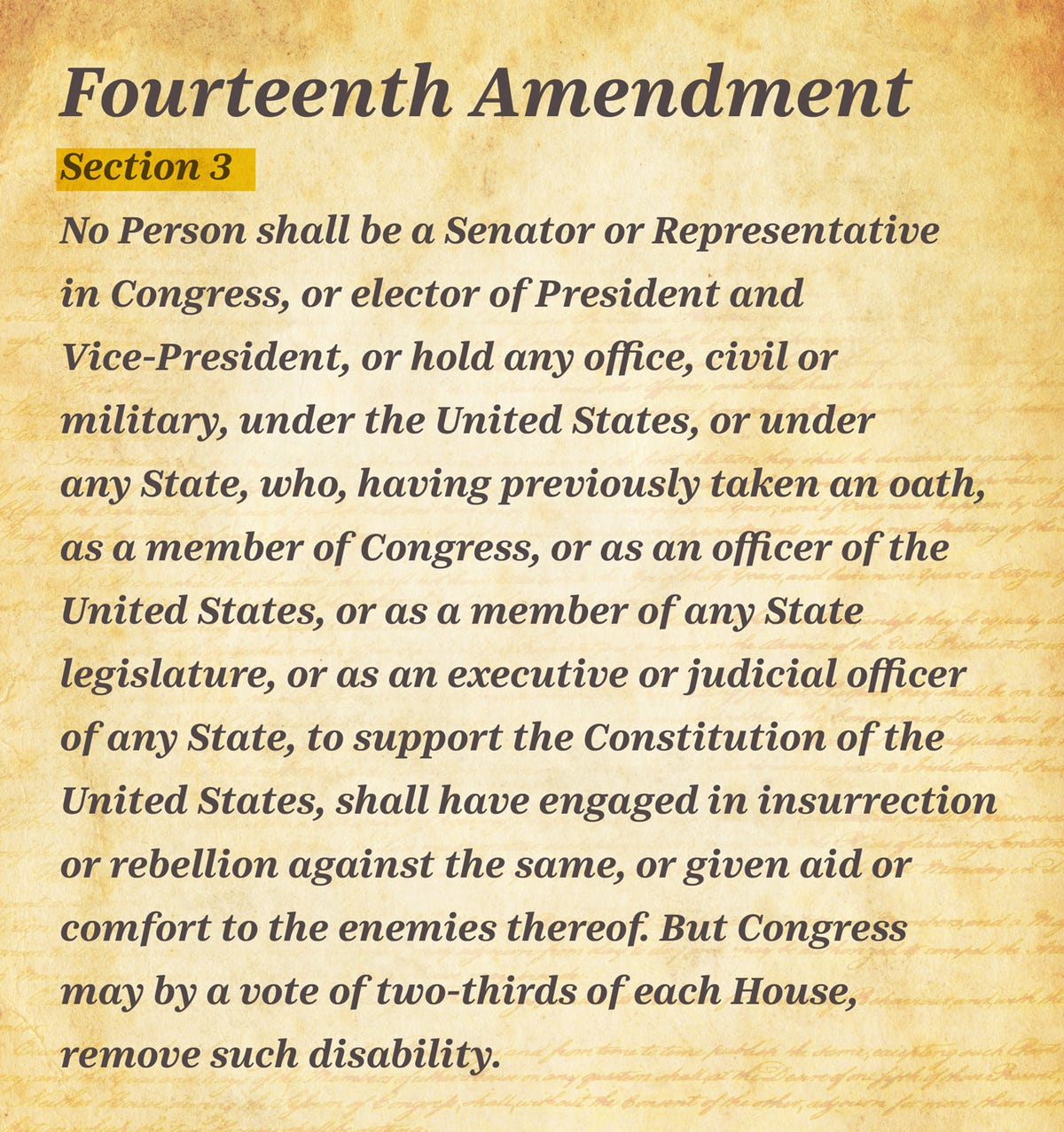
Abrogation, on the other hand, is the federal government, or SCOTUS telling the states, “Fuck you, you can be sued for this shit.” This derives from the 14th amendment, which forbade states to allow slavery, and required due process under the law, as well as other shit. So the federal government effectively took power away from the states after the constitution had been originally drafted.
14th Amendment to the United States Constitution
In simple terms, “Plan of convention” is voluntary, abrogation is imposed.
Next up, we have counsel Christopher Michel, representing the United States, as an amici for Torres. The United States is not directly involved in the suit, but they have enough of an interest, that they were allowed to participate in the hearing.
He came in hot, by saying, “You assholes have NEVER put a limitation on the constitution’s war-powers, and USERRA is vital to that effort. So you’ve got no business giving Texas the power to limit that shit now.”
Justice Neil “Golden Voice” Gorsuch asked, “what are the fucking limits of these constitutional waivers? Can anyone bring any fucking suit to any state over anything that seems tacitly related to the constitutional powers. This shit could get pretty ridiculous, no?”
He then referenced, going back to Alito’s point about the highway system, could someone sue the state for punitive damages because there was a pothole on the highway that damaged their car?
He was then like, “Why couldn’t congress just conscript people? That shit worked for a while. They didn’t have to make this USERRA statute. So why is USERRA connected to the constitution when there are other ways to ensure we have soldiers to fight wars.
Christopher Michel
Counsel Michel’s response didn’t really seem to answer the question specifically. He acknowledged, the pothole argument would be much tougher to defend, and likely wouldn’t stand up.
But he didn’t really draw much of a distinction. Also didn’t address conscription.
He seemingly answered the question he wanted Gorsuch to ask, and just made it clear, that he didn’t see a clear path to draft an Army without USERRA, and therefore, rejecting it as a violation of state sovereignty, against suits from individuals, violates the principles the war-power clause defined.
He then went on to point out to questions from Justice Kavanaugh, that one of the first things volunteers for the reserves and the National Guard ask about when considering joining, is “what about my civilian job?” It’s a major concern, and a huge factor in their choice to volunteer.
Last up: Counsel Judd E. Stone
He chimed in with a distinction mentioned earlier. That states didn’t sign away their fucking sovereignty to private citizens—it signed it over to the federal government. So if the United States wants to sue Texas over this shit, we would accept it. I know they’re here as an amici, but they didn’t see fit to file for Mr. Torres.
The states can’t just let every Tom, Dick, and Harry fucking sue us.
I think what’s also at issue here, is monetary damages. If Torres just wanted them to give him a job or something, the US might have filed for him. But he’s also demanding monetary damages, and I think that’s ultimately what Texas is pissed about, and why the United States isn’t the opposing party.
Judd Stone
Justice Roberts first asked about the other side’s argument regarding “Plan of Convention” waivers.
Counsel agreed, this is their strongest argument, however, he indicates that these waivers are about what the states gave away, and what they didn’t.
In other words, they expected the federal government to field an Army, and are willing to concede that power to the federal government.
He believes, however, that in no way, did the states anticipate a law like USERRA, then people suing for monetary damages over it, and therefore would not have consented to be sued over such things.
Justice Kavanaugh then asked, “We allow private suits in bankruptcy, such as Katz, and we also allow them in eminent domain suits, FMLA violation suits, etc., so why not for war-powers issues?”
Counsel Stone responded that these other decisions, such as Katz, were narrowly suited to those particular issues, which were not war-powers issues. So as much as they may seem similar, they’re not the same, and therefore don’t apply here.
Justice Kagan asked, “In what fucking world, could people sue under eminent domain, and somehow not be able to sue under the war-powers clause? Certainly war powers are more important to national security than eminent domain, right?”
Associate Justice Elena Kagan
Counsel Stone agreed that war powers are obviously pretty fucking important. But he argued that while no one doubts the federal government possesses the right to declare war and field an army, it didn’t grant the right for the people to sue the states over a law, that’s related to fielding an army. The states may have wanted to keep the power to determine for themselves, how best to provide the federal government with soldiers.
For instance, some states might want conscription, while others wants volunteers. There’s no evidence that the states gave the federal government the power to decide this issue for them.
Justice Barrett then asked, “If the states gave up this huge power to field and army and go to war, why would they seek to retain power over how to field the army. That seems rather irrelevant compared to what they gave up, right?”
He was like, “Nope. They guarded the hell outta that shit. If they didn’t specifically give it up, they have every right to expect to keep it.”
Justice Barrett then asked about the potential for states thwarting war efforts. For instance, after Vietnam, there was a lot of condemnation by states over the war, and many soldiers didn’t get the hero’s welcome they deserved upon returning home. So if DPS wins, can they then decide, for instance, if the US opts to get involved in helping Ukraine, that they don’t think it’s a good war, and refuse to participate with their soldiers?
Associate Justice Amy Coney Barrett
Counsel Stone responded that the US is perfectly fine to file suit against Texas, and in this scenario, would. That’s different from here, where Torres himself is filing suit.
Finally, in rebuttal, counsel Tutt reminded the court, that in the Federalist papers #23, Hamilton said that war powers ought to exist without limitation, because it’s impossible to see into the fucking future and know what’s needed.
This mother fucker on the other side of the aisle, is trying to limit it, and he’s fucking wrong for doing so. That’s all I got.
In a bipartisan majority, where justice Roberts and Kavanaugh joined Justices Breyer, Kagan, and Sotomayor, Torres came out victories.
They agree that by joining the United States, they agreed to give the federal government the power it needed to wage war, which extends to a private individual suing them, if the state were to violate a war-powers federal statute.
The remaining justices, wary of giving the federal government such unrestricted powers, disagreed. Their opinion hinged around giving private parties to sue, in relation to these federal powers. They felt that was just a step too god damn far.
Hear oral arguments, and read about the case, and the opinion here at OYEZ.
log·i·cal: capable of reasoning or of using reason in an orderly cogent fashion lib·er·tar·i·an: an advocate of the doctrine of free will; a person who upholds the principles of individual liberty especially of thought and action













 The Logical Libertarian™